Lawn Care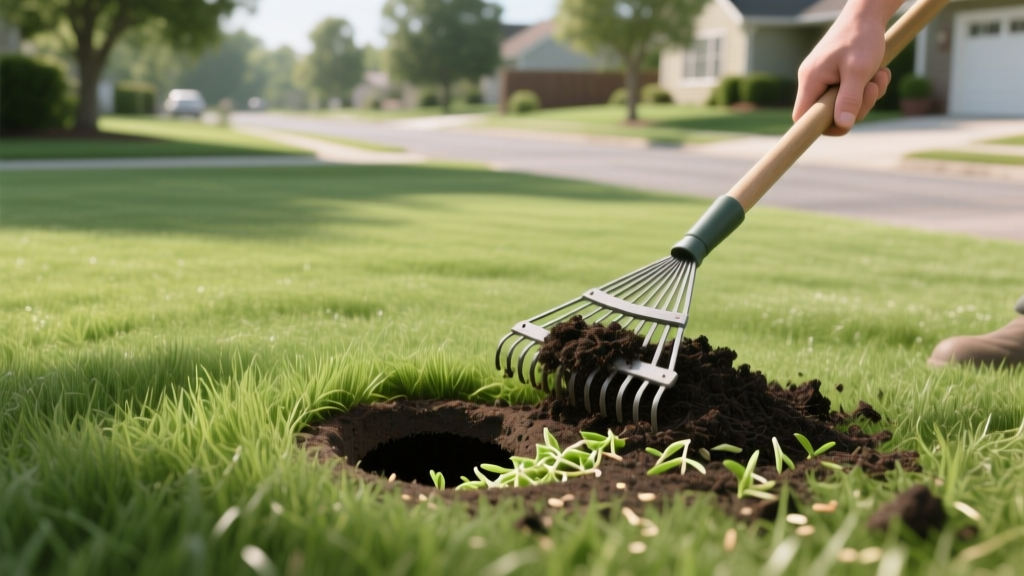
Scalped Lawn Recovery 2026: Reseeding & Topdressing Methods
Emily WatsonPublished
The Sinking Feeling: Understanding Scalped Lawn Damage
There are few things more frustrating for a homeowner than mowing the lawn on a Saturday morning, only to realize the mower deck was set too low, leaving behind a patchy, brown, and stressed landscape. This is known as scalping. Scalping occurs when the mower removes not just the green leaf blade, but also the turfgrass crown—the vital growing point of the plant. When the crown is exposed or damaged, the grass loses its ability to photosynthesize effectively, making it highly susceptible to drought stress, weed invasion, and disease. As we navigate the erratic weather patterns of the 2026 growing season, a scalped lawn can deteriorate in a matter of days under the hot sun.
Fortunately, a scalped lawn is rarely a death sentence. By utilizing a targeted combination of gentle aeration, strategic reseeding, and a nutrient-rich topdressing, you can rescue your turf and restore its lush, green carpet. This comprehensive guide outlines the exact 2026 protocol for scalped lawn recovery, merging the best practices of modern turfgrass science with actionable weekend DIY methods.
Step 1: Soil Preparation and Gentle Aeration
When a lawn is freshly scalped, the root system and crown are in a state of acute shock. Traditional core aeration—which pulls out plugs of soil using heavy metal tines—can sometimes cause additional mechanical stress to the fragile, exposed crowns of a scalped lawn. While core aeration is a staple of fall lawn care, a recovering scalped lawn requires a more delicate touch.
The Liquid Aeration Alternative
In 2026, turfgrass professionals increasingly recommend liquid aeration for stressed or scalped lawns. Liquid aerators utilize advanced surfactants, humic acids, and fulvic acids to break the surface tension of compacted soil, allowing water, oxygen, and nutrients to penetrate deeply without the physical tearing of the turf. Applying a high-quality liquid aeration product (such as those containing ammonium lauryl sulfate or yucca extract) prepares the soil bed for seed-to-soil contact without risking further crown damage. Simply attach the liquid aerator to your garden hose and apply it evenly across the damaged zones 24 hours before you plan to seed and topdress.
Step 2: Selecting the Right Rescue Seed
Matching your new seed to your existing lawn is critical for a seamless recovery. In 2026, seed technology has advanced significantly, with many premium seeds featuring bio-stimulant coatings that retain moisture and deter birds. For cool-season grasses like Kentucky Bluegrass, Tall Fescue, and Perennial Ryegrass, fast-germinating varieties are best for rapid soil stabilization. For warm-season grasses like Bermuda or Zoysia, you must ensure soil temperatures are consistently above 65°F (18°C) before attempting a reseed.
According to Penn State Extension's guide on lawn renovation, selecting a certified, weed-free seed blend with a germination rate of 90% or higher is non-negotiable for patch repair. Avoid cheap, generic seed mixes that contain agricultural fillers or annual ryegrass, which will die off and leave your lawn bare again.
| Grass Type | Seed Rate (per 1,000 sq ft) | Germination Time | Best Recovery Window |
|---|---|---|---|
| Perennial Ryegrass | 5 - 7 lbs | 5 - 7 Days | Early Fall / Early Spring |
| Tall Fescue | 6 - 8 lbs | 7 - 12 Days | Early Fall / Early Spring |
| Kentucky Bluegrass | 2 - 3 lbs | 14 - 21 Days | Early Fall |
| Bermudagrass | 1 - 2 lbs | 10 - 14 Days | Late Spring / Early Summer |
Step 3: The Topdressing Mix and Application
Topdressing is the secret weapon in the scalped lawn recovery arsenal. A scalped lawn lacks the organic canopy needed to retain soil moisture and protect germinating seeds from the harsh 2026 UV index. Topdressing provides a protective blanket, improves soil structure, and introduces vital microbes.
The Ideal 2026 Topdressing Recipe
- 70% Organic Compost: Use a finely screened, mature organic compost. Avoid heavy manure-based composts, which can burn tender new seedlings with excess nitrogen.
- 30% Washed Mason Sand or Topsoil: Sand improves drainage and prevents the compost from clumping and smothering the seed. If your native soil is heavy clay, lean closer to a 50/50 compost-sand mix to ensure water infiltration.
Using a wheelbarrow and a shovel, mix your topdressing thoroughly. For an average scalped patch of 500 square feet, you will need approximately 0.5 cubic yards of topdressing material. Spread the mixture over the damaged areas using a landscaping rake or a push broom. Your goal is a thin, even layer no thicker than 1/4 inch. If you apply it too thick, you will smother any remaining living grass crowns. Work the mixture gently into the soil surface to ensure it makes contact with the existing root zone.
Step 4: Reseeding into the Topdressing
Once your topdressing is leveled, it is time to apply the seed. Broadcast the seed evenly over the topdressed area using a handheld rotary spreader. For smaller patches, you can do this by hand, using a sweeping motion to ensure uniform distribution. After broadcasting, lightly drag a leaf rake or a piece of chain-link fence over the area. This step is crucial: it pulls the seed down into the crevices of the compost, ensuring the vital seed-to-soil contact required for germination. Seeds left sitting entirely on the surface will dry out and die within hours.
Step 5: Irrigation and Starter Fertilization
Water is the catalyst for recovery. A newly seeded, topdressed lawn requires a strict irrigation schedule. The top 1/4 inch of soil must remain consistently moist—but never soggy—until the seeds have germinated and established roots.
2026 Watering Protocol: Set your smart irrigation controller or manual sprinklers to run for 5 to 10 minutes, three to four times a day (e.g., 8:00 AM, 12:00 PM, 3:00 PM, and 5:30 PM). As the grass reaches 1 inch in height, reduce the frequency to once a day, but increase the duration to encourage deep root growth.
Alongside watering, applying a high-quality starter fertilizer is essential. However, be mindful of local 2026 environmental regulations. Many municipalities strictly limit phosphorus applications to prevent watershed runoff. Because phosphorus (the middle number in the N-P-K ratio) is vital for root development, you are generally exempt from these bans only if you are establishing a new lawn or repairing bare dirt. Look for a starter fertilizer with an N-P-K ratio similar to 10-18-10, or opt for an organic alternative like bone meal or a mycorrhizal root inoculant to safely boost root growth without violating local ordinances. For more on regional soil and nutrient management, consult the University of Minnesota Extension's turfgrass renovation protocols.
Tools and Materials Checklist
To execute this recovery method efficiently, gather the following supplies before starting your weekend project:
- Liquid Aeration Concentrate & Hose-End Sprayer
- Certified Turfgrass Seed (Matched to your existing lawn)
- Handheld Broadcast Spreader
- Finely Screened Organic Compost & Washed Mason Sand
- Wheelbarrow, Shovel, and Push Broom / Landscaping Rake
- Starter Fertilizer (Phosphorus-rich or Mycorrhizal Inoculant)
- Oscillating or Impact Sprinkler with Timer
Post-Recovery Maintenance: The 1/3 Rule
Patience is the final step in the scalped lawn recovery method. You must resist the urge to mow the new grass until it has reached at least 3.5 to 4 inches in height. When you do return to mowing, strictly adhere to the 1/3 Rule: never remove more than one-third of the grass blade in a single mowing session. Ensure your mower blades are freshly sharpened; dull blades will tear the tender new grass, opening the door for fungal pathogens like brown patch or dollar spot.
By combining the moisture-retaining benefits of topdressing with the gentle soil conditioning of liquid aeration and premium 2026 seed coatings, your scalped lawn will not only recover but will likely emerge thicker, more resilient, and healthier than it was before the accident. Consistent watering, proper nutrition, and careful mowing will ensure your turf remains a lush, green centerpiece for the rest of the season.