Lawn Care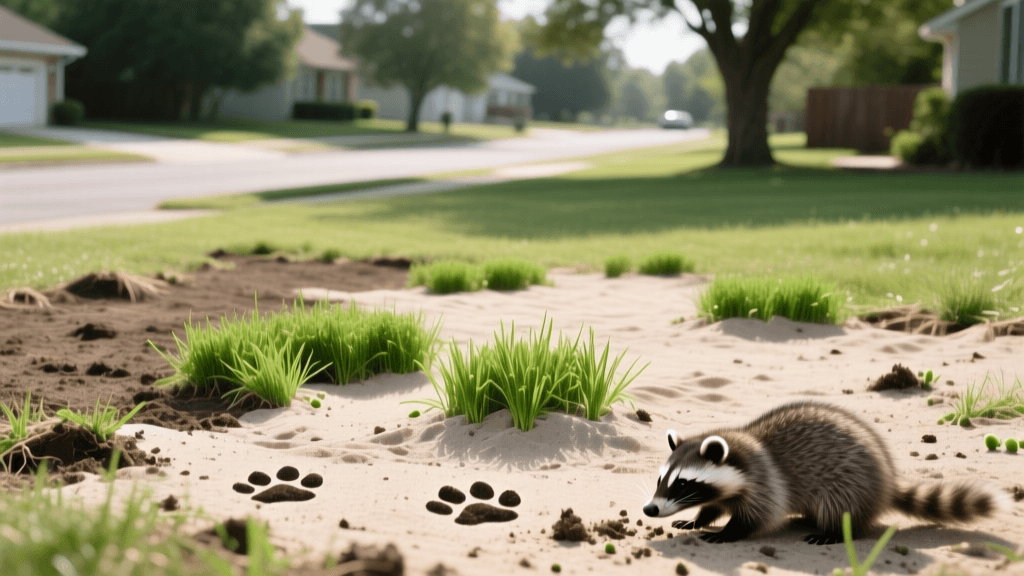
Scalped Lawn Recovery 2026: Reseeding After Wildlife Damage
The 2026 Guide to Recovering Lawns Scalped by Wildlife
Waking up to a destroyed, scalped lawn is a nightmare for any homeowner. While mower-blade errors and fungal diseases are common culprits for turf decline, some of the most devastating lawn scalping is caused by wildlife. Skunks, raccoons, crows, and armadillos frequently tear up healthy grass to feast on the white grubs and soil-dwelling insects hiding just beneath the surface. The result is a patchwork of scalped soil, flipped sod, and deep divots that ruin your yard's aesthetic and ecological balance.
In 2026, urban and suburban wildlife populations have adapted remarkably well to residential environments, making grub-foraging a widespread issue from early spring through late autumn. Recovering a lawn scalped by animals requires more than just throwing down grass seed. It demands a strategic approach that combines grub eradication, precision topdressing, endophyte-enhanced reseeding, and active wildlife deterrence. If you simply reseed without addressing the wildlife attraction, your newly turned soil will become an all-you-can-eat buffet for local foragers.
Understanding Wildlife-Induced Scalping
Before initiating the recovery process, it is vital to understand why the scalping occurred. Animals do not dig randomly; they are following a food source. The primary target is usually the larvae of Japanese beetles, June bugs, or European chafers. As these grubs feed on grassroots, they weaken the turf. Simultaneously, their presence acts as a beacon to nocturnal foragers.
When a skunk or raccoon peels back the turf, they effectively 'scalp' the lawn down to the bare soil, severing the remaining root systems. According to turf and wildlife experts, failing to treat the underlying grub population before attempting lawn repair is the number one reason reseeding efforts fail. For a comprehensive understanding of the grub life cycles that attract these animals, the University of Minnesota Extension's guide on white grubs remains an invaluable resource for identifying the exact pest timelines in your region.
Step 1: Eradicate the Food Source (Pre-Recovery)
You cannot successfully reseed a scalped lawn if the animals are still patrolling the area for food. In 2026, eco-conscious lawn care heavily favors biological controls over broad-spectrum chemical pesticides, which can harm the very birds and beneficial insects that keep your yard healthy.
Applying Beneficial Nematodes
The most effective, wildlife-safe method to eliminate grubs is the application of beneficial nematodes, specifically Heterorhabditis bacteriophora. These microscopic worms naturally seek out and destroy soil-dwelling grubs without harming earthworms, pets, or the foraging mammals themselves.
- Timing: Apply in late summer or early fall when grubs are actively feeding near the surface.
- Application Rate: 1 billion nematodes per 2,500 square feet.
- Method: Mix with water and apply via a hose-end sprayer during the early evening to avoid UV degradation.
The Environmental Protection Agency (EPA) recognizes beneficial nematodes as a safe, biological pest control method that aligns perfectly with integrated pest management (IPM) strategies. Once the food source is gone, the skunks and raccoons will move on to better hunting grounds.
Step 2: Soil Preparation and Leveling
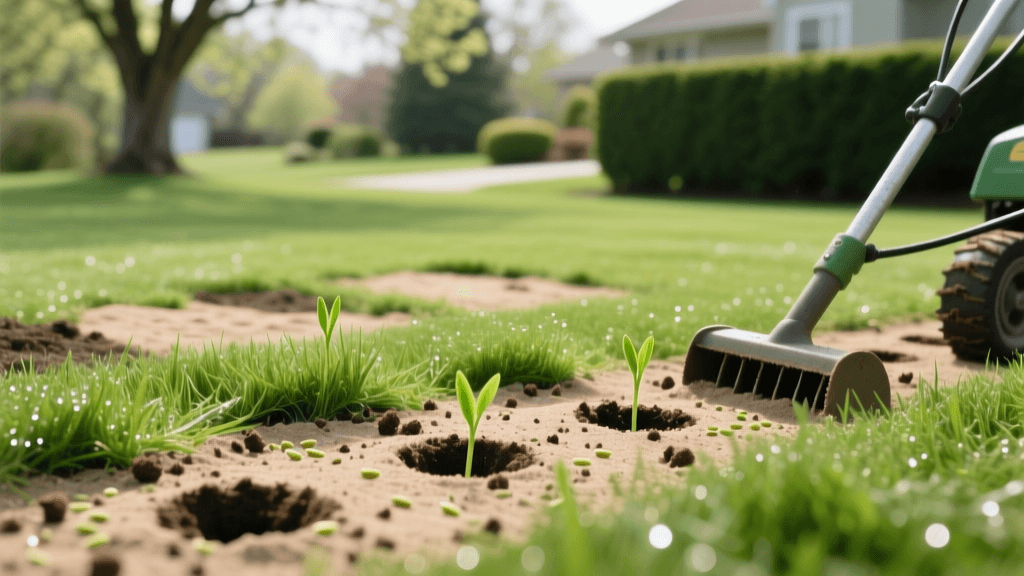
Wildlife scalping leaves behind uneven mounds of dirt and torn root mats. Proper soil preparation is critical for seed-to-soil contact.
- Remove Debris: Rake out dead, torn grass and loose debris. Do not bury dead sod, as it will create air pockets and invite fungal rot.
- Level the Divots: Use a steel landscape rake to break up compacted soil in the deep dig marks left by raccoons and armadillos.
- Aerate if Necessary: If the wildlife traffic has severely compacted the surrounding soil, perform a core aeration to relieve tension and prepare the bed for topdressing.
Step 3: The Topdressing and Reseeding Method
Topdressing is the secret weapon for recovering scalped lawns. It levels the micro-topography, improves soil biology, and provides a protective matrix for new grass seed. However, the material you use can inadvertently attract more wildlife if chosen poorly.
Choosing the Right Topdressing Mix
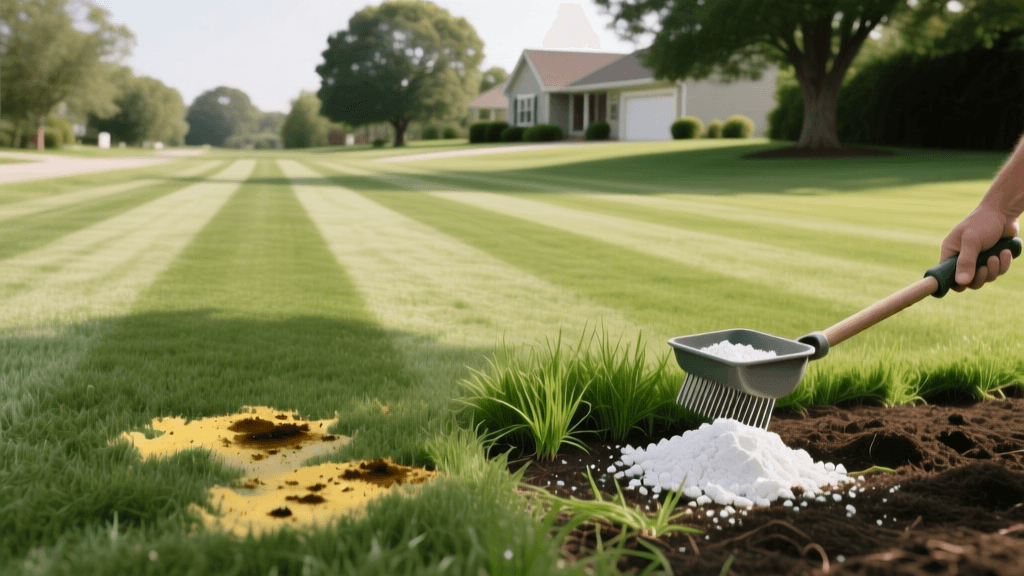
In 2026, the industry standard for repairing wildlife-damaged turf is a 70/30 Sand-to-Compost Mix. Pure compost can sometimes attract foraging animals due to its rich organic scent and the presence of beneficial fungi and insects. By cutting it with 70% coarse horticultural sand, you improve drainage, deter surface-foraging birds, and create a firm seedbed that is less appealing for digging.
- Cost (2026 Estimates): Expect to pay $55 to $75 per cubic yard for a professionally mixed 70/30 topdressing blend delivered to your home.
- Application Depth: Apply a strict 1/4-inch to 1/2-inch layer over the scalped areas. Do not smother existing healthy grass crowns.
Selecting Wildlife-Resistant Grass Seed
To prevent future scalping, you must break the grub cycle. Modern turfgrass science has developed endophyte-enhanced grass seeds. Endophytes are beneficial fungi that live inside the grass plant and produce natural alkaloids, which deter surface-feeding insects and certain soil pests. Fewer insects mean less food for the wildlife that scalps your lawn.
For cool-season lawns, opt for an Endophyte-Enhanced Turf-Type Tall Fescue (TTTF) blend. For warm-season zones, consider planting resilient Zoysia or Bermuda plugs, though these are typically established via sod or sprigs rather than seed. Apply the TTTF seed at a rate of 6 to 8 pounds per 1,000 square feet, gently raking it into the topdressing mix so it is barely covered.
Step 4: Wildlife Deterrence During Germination
The most vulnerable time for your lawn is the 14 to 21-day germination window. Freshly turned topdressing and daily watering create an environment that mimics a natural foraging ground. You must protect the seed.
Biodegradable Jute Netting
Roll out biodegradable jute netting over the topdressed and seeded areas. This holds the soil in place during heavy rains and creates a physical barrier that stops birds from eating the seed and prevents skunks from easily peeling back the new soil crust. By the time the netting degrades, your grass will be established.
Smart Motion-Activated Deterrents
To keep larger mammals like deer, raccoons, and stray dogs off the vulnerable seedbed, utilize smart deterrents. The 2026 Orbit Yard Enforcer Pro features AI-assisted motion detection that distinguishes between blowing branches and approaching animals, delivering a sudden, harmless burst of water to startle foragers away from your newly topdressed lawn.
'When managing wildlife conflicts in residential landscapes, the goal is not to harm the animals, but to modify the environment so that your yard is no longer an attractive nuisance. Physical barriers and sensory deterrents during the vulnerable recovery phase are your best tools.' — USDA APHIS Wildlife Damage Management Guidelines
Wildlife Culprit Identification and 2026 Deterrent Strategies
Identifying the specific animal that scalped your lawn will help you tailor your recovery and deterrence strategy. Below is a breakdown of common offenders and how to manage them during the reseeding process.
| Wildlife Culprit | Scalping Pattern & Target | 2026 Recovery & Deterrent Tactic |
|---|---|---|
| Skunks | Small, shallow, conical divots (1-3 inches deep). Targeting shallow grubs. | Apply nematodes immediately. Cover seeded topdressing with jute netting to block access. |
| Raccoons | Large patches of sod peeled back like a carpet. Targeting deep grub clusters. | Use heavy-duty biodegradable mats. Deploy motion-activated sprinklers at night. |
| Crows & Starlings | Random, scattered peck marks and pulled seedlings. Targeting surface insects and seed. | Reflective deterrent tape combined with a 1/4 inch topdressing layer to hide seed. |
| Armadillos | Deep, wide burrows and severe soil disruption. Targeting ants and deep grubs. | Castor oil-based soil repellents applied to the perimeter; physical fencing required. |
Watering and Long-Term Maintenance
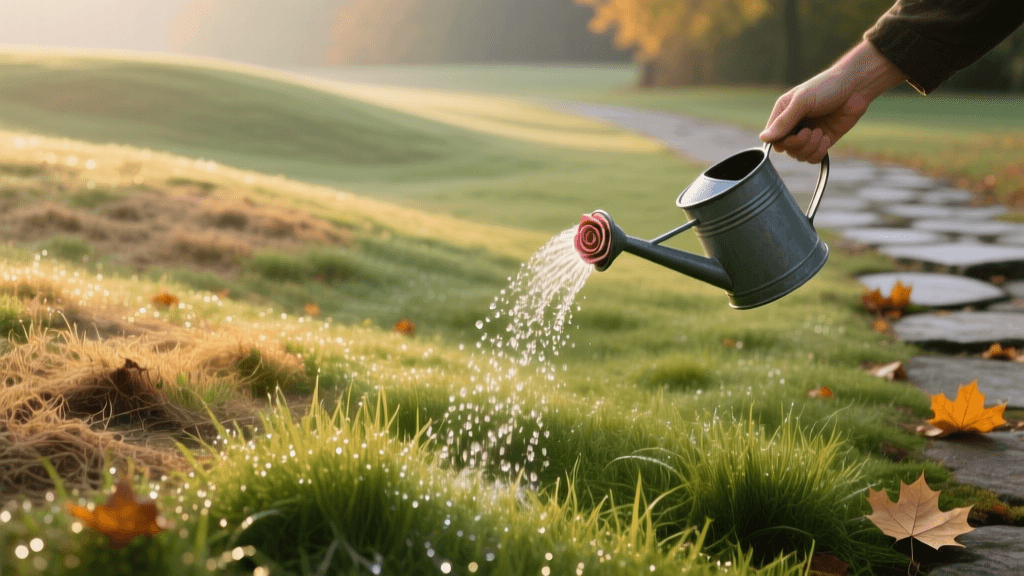
Watering a newly seeded, topdressed lawn requires a delicate balance. The top 1/2 inch of soil must remain consistently moist, but overwatering will create muddy wallows that attract deer and feral hogs. In 2026, smart irrigation controllers equipped with local soil-moisture sensors are highly recommended. These devices prevent overwatering by adjusting schedules based on real-time hyper-local weather data, ensuring your seed germinates without turning your yard into a swamp.
Once the new endophyte-enhanced tall fescue reaches 3 inches, perform your first mow. Never scalp the lawn with your mower blade, as low-cut grass stresses the root system, making it more susceptible to the very grubs that attracted the wildlife in the first place. Maintain a mowing height of 3.5 to 4 inches to shade the soil, conserve moisture, and promote a deep, resilient root system that can withstand minor animal traffic.
Conclusion
Recovering a lawn scalped by wildlife is a test of patience and strategy. By combining the biological warfare of beneficial nematodes, the structural repair of a 70/30 sand-compost topdressing, and the defensive planting of endophyte-enhanced seeds, you can restore your turf to its former glory. More importantly, by implementing modern deterrents like smart sprinklers and jute netting, you ensure that your hard work isn't undone the very next night. Follow this 2026 scalped lawn recovery method, and you will build a resilient, beautiful landscape that coexists peacefully with local wildlife—on your terms.