Pest Control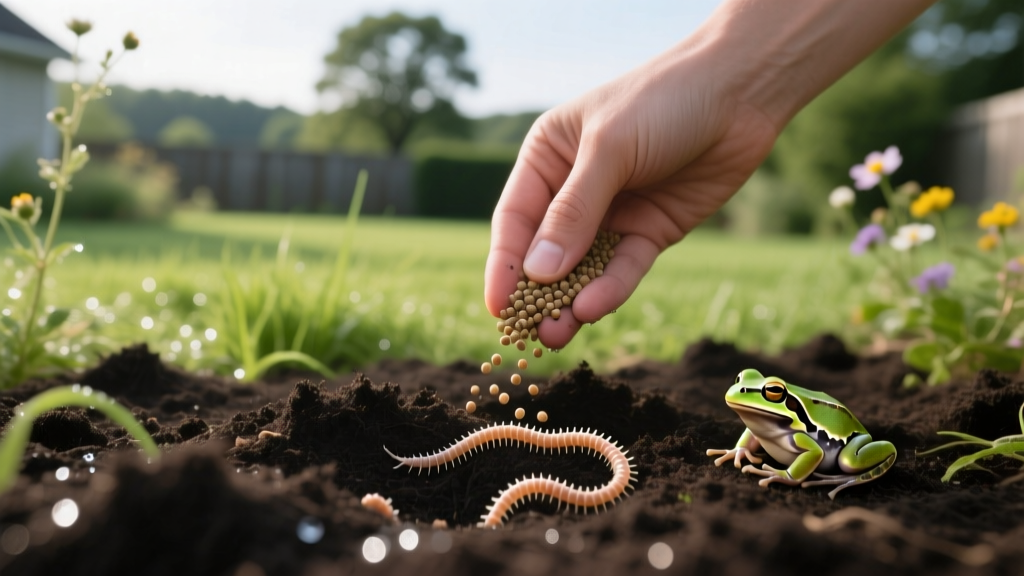
Scanmask Nematode Application: 2026 Eco-Safe Pest Guide
Anna KowalskiPublished
The Wildlife-Friendly Approach to Soil Pest Management in 2026
For homeowners dedicated to maintaining a thriving, biodiverse yard, managing soil-dwelling pests presents a unique challenge. Traditional chemical pesticides often cause collateral damage, harming the very wildlife that keeps our local ecosystems balanced. In 2026, the gold standard for eco-conscious turf management is integrated pest management (IPM), specifically utilizing biological controls like Scanmask beneficial nematodes. This guide explores how applying Scanmask not only eradicates destructive soil pests but also protects the broader wildlife population in your yard.
When you manage pests from a wildlife perspective, the goal is twofold: eliminate the damage caused by the pests themselves, and prevent the secondary damage caused by the predators that hunt them. Soil-dwelling pests like white grubs and flea larvae are a primary food source for foraging mammals and birds. By removing these pests biologically, you protect your turf without introducing toxic residues into the local food web.
What is Scanmask and How Does it Protect Yard Ecosystems?
Scanmask is a commercially formulated biological insecticide containing live entomopathogenic nematodes, primarily Steinernema feltiae. These microscopic, unsegmented roundworms are naturally occurring soil organisms that seek out and infect specific insect larvae. According to University of Kentucky Entomology, these beneficial nematodes carry symbiotic bacteria that quickly kill the host insect, after which the nematodes reproduce inside the cadaver and release a new generation of infective juveniles into the soil.
From a wildlife management perspective, the beauty of Scanmask lies in its extreme target specificity. Unlike broad-spectrum chemical grub killers (such as neonicotinoids or organophosphates), Scanmask nematodes only infect susceptible insect larvae. They pose absolutely zero threat to earthworms, beneficial ground beetles, pets, amphibians, reptiles, birds, or mammals. When a robin pulls a treated grub from the soil, or a skunk consumes a nematode-infected larva, the wildlife remains entirely unharmed.
Target Pests and the Wildlife Connection
Understanding the link between soil pests and yard animal behavior is crucial for effective wildlife management. Here are the primary pests targeted by Scanmask and the wildlife issues they cause:
- White Grubs (Japanese Beetle, June Bug, and European Chafer Larvae): Grubs feed on grassroots, causing severe brown patches. More importantly, they are a magnet for destructive foragers. Raccoons, skunks, and crows will literally roll back and tear up large sections of healthy turf to access this high-protein food source. Eliminating the grubs with Scanmask removes the attractant, saving your lawn from being excavated by nocturnal wildlife.
- Flea Larvae: Fleas thrive in shaded, sandy soil where pets and local wildlife (like foxes, coyotes, and opossums) rest. By treating the soil with Scanmask, you break the flea life cycle, reducing the transmission of tapeworms and other vector-borne diseases among your local urban wildlife population and domestic pets.
- Cutworms and Armyworms: These surface-feeding larvae decimate young grass shoots and garden crops. They also attract insectivorous birds. Using biological controls ensures that birds like starlings and robins can continue to forage safely without ingesting neurotoxic chemicals.
Step-by-Step Scanmask Application Guide for 2026
Because Scanmask contains living organisms, proper application is critical to ensure the nematodes survive and reach their targets. Follow this updated 2026 protocol for optimal results.
1. Timing and Soil Temperature
Nematodes are highly sensitive to temperature. Apply Scanmask when soil temperatures are consistently between 55°F and 85°F. In most North American climates, this means targeting the mid-spring and early autumn windows. Use a digital soil thermometer to verify conditions at a 2-inch depth before application.
2. Soil Preparation
Nematodes require a moist environment to move through the soil pores and locate their hosts. Water your lawn or garden beds deeply 24 hours before application. The soil should be damp, but not waterlogged or pooling.
3. Mixing the Solution
Scanmask is typically supplied in a sponge or clay powder formulation. Critical Warning: Chlorine and chloramine in municipal tap water will kill beneficial nematodes on contact. You must use distilled water, rainwater, or dechlorinated tap water. If using tap water, treat it with an aquarium dechlorinator or let it sit in an open container in direct sunlight for 48 hours to allow chlorine to off-gas (note: this does not remove chloramine, so a chemical dechlorinator is preferred in 2026). Mix the nematodes into a bucket of water and stir gently.
4. Application Methods
Apply the mixture immediately using a hose-end sprayer, a backpack sprayer, or a watering can. If using a sprayer, remove all internal filters and screens, as they can trap and crush the nematodes. Keep the mixture agitated frequently to prevent the nematodes from settling at the bottom of the tank.
5. Watering In and Post-Care
After applying the nematode solution, immediately water the area with an additional quarter-inch of plain, dechlorinated water. This washes the nematodes off the grass blades and down into the soil profile where the pests live. Keep the soil consistently moist for the next 10 to 14 days to allow the nematodes to complete their life cycle.
2026 Scanmask Coverage and Cost Breakdown
Pricing for biological controls has stabilized in 2026 as production methods have scaled. Below is a breakdown of standard Scanmask package sizes, their coverage capacities, and current market estimates to help you plan your yard management budget.
| Scanmask Package Size | Nematode Count | Coverage Area | Estimated 2026 Cost | Best For |
|---|---|---|---|---|
| Small Tray / Sponge | 10 Million | 1,000 - 2,000 sq ft | $38.00 | Spot treatments, garden beds, small play areas |
| Medium Tray / Powder | 50 Million | 5,000 - 10,000 sq ft | $85.00 | Standard suburban lawns, moderate grub infestations |
| Large Bulk Powder | 250 Million | 25,000 - 50,000 sq ft | $210.00 | Large rural estates, commercial properties, severe outbreaks |
Note: Always order Scanmask from reputable suppliers that utilize insulated shipping with ice packs to ensure the nematodes arrive alive and viable.
Preserving the Broader Yard Food Web
The shift toward biological controls like Scanmask is a cornerstone of modern wildlife-friendly landscaping. The Xerces Society for Invertebrate Conservation heavily advocates for the reduction of broad-spectrum pesticides, noting that chemical residues persist in the soil and water, ultimately harming non-target invertebrates and the birds that rely on them. By choosing beneficial nematodes, you actively protect local pollinators, ground-nesting bees, and essential soil aerators like earthworms.
Furthermore, as noted by Penn State Extension, nematodes are a naturally occurring component of healthy soil biology. Applying Scanmask is essentially bolstering the existing microbial and micro-faunal populations in your yard, restoring an ecological balance that keeps pest populations in check without the need for disruptive synthetic chemicals.
Frequently Asked Questions
Will Scanmask harm earthworms or beneficial insects?
No. Steinernema feltiae is highly specific to the larvae of certain insects like fungus gnats, fleas, and some grubs. Earthworms, ladybugs, bees, and predatory beetles are completely immune to their effects.
How long will it take for skunks and raccoons to stop digging up my lawn?
Once the nematodes are applied and watered in, they begin killing grubs within 48 to 72 hours. As the grub population dies off and ceases to emit the pheromones and vibrations that attract foragers, wildlife will typically abandon the area within one to two weeks, seeking easier food sources elsewhere.
Is Scanmask safe to use near my backyard koi pond or water feature?
Yes. Beneficial nematodes are entirely safe for aquatic environments, fish, amphibians, and reptiles. They are a vastly superior choice near water features where chemical runoff could be devastating to local aquatic wildlife.
Can I apply Scanmask and chemical fertilizers at the same time?
While nematodes are generally tolerant of standard organic and synthetic fertilizers, it is best practice to avoid applying high-nitrogen synthetic fertilizers or any chemical pesticides within two weeks of your Scanmask application to prevent osmotic shock or accidental toxicity to the living nematodes.