Pest Control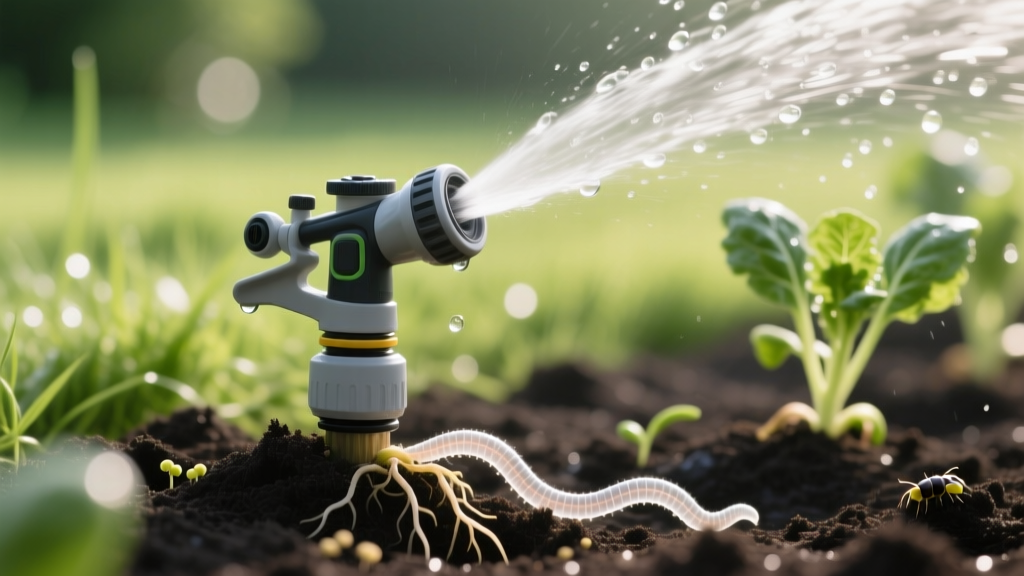
Scanmask Nematode Sprinkler Application Guide 2026: Irrigation Tips
Lisa ThompsonPublished
The Intersection of Biological Pest Control and Smart Irrigation
As we move further into 2026, the shift toward sustainable lawn care has made integrated pest management (IPM) a standard practice for homeowners and professionals alike. Among the most effective biological controls available today is Scanmask, a premium formulation of beneficial nematodes (Steinernema feltiae). These microscopic, unsegmented worms are lethal to a variety of soil-dwelling pests, including fungus gnats, thrips pupae, flea larvae, and certain grub species. However, because nematodes are living organisms, applying them correctly is critical to their survival and efficacy.
While many gardeners resort to messy hose-end sprayers or watering cans, modern sprinkler and irrigation systems offer a highly efficient alternative for distributing nematodes across large turf areas. The challenge lies in adapting your 2026 smart irrigation setup to accommodate these delicate organisms. This comprehensive guide will walk you through the exact steps, system modifications, and scheduling techniques required to apply Scanmask nematodes through your sprinkler system without compromising their viability.
Understanding Scanmask and Soil-Dwelling Pests
Scanmask utilizes Steinernema feltiae, a species of entomopathogenic nematode that actively seeks out insect larvae in the top few inches of the soil profile. Once a nematode enters a host through natural openings, it releases a symbiotic bacterium that rapidly kills the pest, usually within 48 hours. The nematodes then reproduce inside the cadaver and emerge to find new hosts. According to the University of Kentucky Entomology, these nematodes are highly effective in moist, well-aerated soils, making them an ideal companion to regular irrigation routines.
However, because they are living creatures, they are highly susceptible to environmental stressors. High UV radiation, extreme water pressure, chemical treatments, and physical filtration can instantly wipe out a population before it ever reaches the soil.
Preparing Your Irrigation System for Nematodes
Before you even think about mixing your Scanmask solution, you must prepare your irrigation hardware. Modern sprinkler systems are designed to filter debris and distribute chemically treated municipal water—both of which are detrimental to beneficial nematodes.
1. Remove Sprinkler Head Filters
Most pop-up spray heads and rotary nozzles manufactured in the last decade feature small, cylindrical plastic filter screens located at the base of the nozzle. While these screens are excellent for catching grit and sand, they will trap and clog beneficial nematodes, which measure roughly 0.5 to 1.0 millimeters in length. You must unscrew the nozzles on the zones you plan to treat and physically remove these filter screens for the duration of the application. Remember to clean and replace them once the nematode treatment cycle is complete.
2. Address Municipal Water Chlorination
Municipal water supplies in 2026 heavily rely on chlorine and chloramine to ensure drinking water safety. While safe for humans, these chemicals are toxic to nematodes. Chlorine will dissipate if water is left in an open container for 24 hours, but chloramine does not. If you are connecting a nematode injector directly to your hose bib or mainline, you have two options:
- Use a Carbon Filter: Install an inline hose carbon filter rated for chloramine removal before the injection point.
- Flush the Lines: Run your sprinkler system with plain water for 5 to 10 minutes before introducing the nematodes. This flushes out highly concentrated water that has been sitting in the pipes and reduces the immediate chemical shock, though it does not eliminate the risk entirely. For best results, use well water or harvested rainwater if your irrigation system supports it.
3. Bypass Smart Controller Restrictions
Smart controllers like the Rachio 4 or Hunter Hydrawise systems utilize local weather data to skip watering cycles during rain events or high humidity. Because nematodes require immediate and consistent soil moisture to survive, you must manually override your smart controller. Create a dedicated "Nematode Application" schedule in your app that bypasses rain delays, soil moisture sensors, and seasonal shift algorithms for the next 14 days.
Step-by-Step Sprinkler Application Guide
Once your hardware is prepped, you can proceed with the application. The EPA's guidelines on biological control emphasize that proper timing and environmental conditions are just as important as the application method itself.
Step 1: Pre-Water the Target Area
Run your sprinkler system for a standard cycle the evening before application. Nematodes move through the water film in the soil pores; applying them to dry, hydrophobic soil will result in rapid desiccation and death. The soil should be moist but not waterlogged.
Step 2: Mix and Agitate the Scanmask Solution
Follow the manufacturer's instructions to mix the Scanmask powder or liquid suspension into a bucket of water. The water temperature must be between 50°F and 85°F. Nematodes are heavier than water and will sink to the bottom of the tank rapidly. If you are using a tank-based injection system connected to your irrigation mainline, you must use a mechanical agitator or manually stir the tank every few minutes to ensure an even distribution of nematodes across your lawn.
Step 3: Apply During Low UV Periods
UV radiation from the sun is lethal to exposed nematodes. You must schedule your irrigation system to apply the nematode solution either in the early evening, at dusk, or on a heavily overcast day. Never apply Scanmask through sprinklers in the middle of a sunny afternoon.
Step 4: Post-Application Watering
Immediately after the nematode solution has been distributed through the sprinkler heads, run a short cycle of plain water (about 3 to 5 minutes). This washes any nematodes clinging to the grass blades down into the soil and helps push the organisms deeper into the root zone where the pests reside.
Irrigation System Compatibility Chart
Not all irrigation setups are created equal when it comes to biological applications. Refer to the table below to understand how your specific system handles nematode distribution.
| Irrigation Type | Nematode Suitability | Required Modifications for Scanmask |
|---|---|---|
| Standard Spray Heads | Excellent | Remove internal nozzle filter screens; ensure no cross-spraying onto hardscapes. |
| Gear-Drive Rotors | Good | Remove inlet filters; check for low-pressure zones where nematodes might settle in pipes. |
| Drip Irrigation | Poor / Moderate | Emitters easily clog; requires inline flushing valves and removal of point-of-use filters. |
| Hose-End Sprayer | Excellent | Use a sprayer specifically designed for nematodes with a large-orifice siphon tube. |
Maintaining Soil Moisture Post-Application
The success of your Scanmask application relies entirely on the subsequent two weeks of irrigation. Nematodes require a continuous film of water to move through the soil and locate their hosts. If the top two inches of soil dry out, the nematodes will perish.
Adjust your 2026 smart irrigation controller to water the treated zones lightly but frequently. Instead of one deep watering cycle every three days, program the system to run for 5 to 8 minutes every morning and every evening. This keeps the soil surface consistently moist without causing runoff or waterlogging the root zone, which could drive oxygen out of the soil and suffocate both your turfgrass and the beneficial nematodes.
Common Mistakes to Avoid
- Mixing with Fertilizers or Pesticides: Never inject Scanmask into an irrigation system that has residual synthetic fertilizers, broad-spectrum insecticides, or nematicides in the lines. Flush the system thoroughly with plain water before use.
- Ignoring Water Pressure: While standard residential sprinkler pressures (40-60 PSI) are generally safe for nematodes, high-pressure misting systems or booster pumps exceeding 80 PSI can cause physical shear stress, damaging the organisms. Use a pressure regulator if necessary.
- Storing Mixed Solutions: Once mixed with water, the nematodes will consume their energy reserves and drown if not applied promptly. Never store a mixed Scanmask solution in your irrigation tank for more than a few hours.
Conclusion
Integrating Scanmask beneficial nematodes into your lawn care regimen is one of the most effective, eco-friendly ways to combat soil-dwelling pests in 2026. By leveraging your existing sprinkler and irrigation systems, you can achieve uniform coverage across large landscapes with minimal manual labor. The key to success lies in respecting the biological needs of the nematodes: removing physical filters, mitigating water chemistry risks, avoiding UV exposure, and maintaining strict post-application moisture levels. With proper preparation and smart irrigation scheduling, your lawn will be teeming with microscopic allies, naturally keeping pest populations in check for the entire growing season.