Pest Control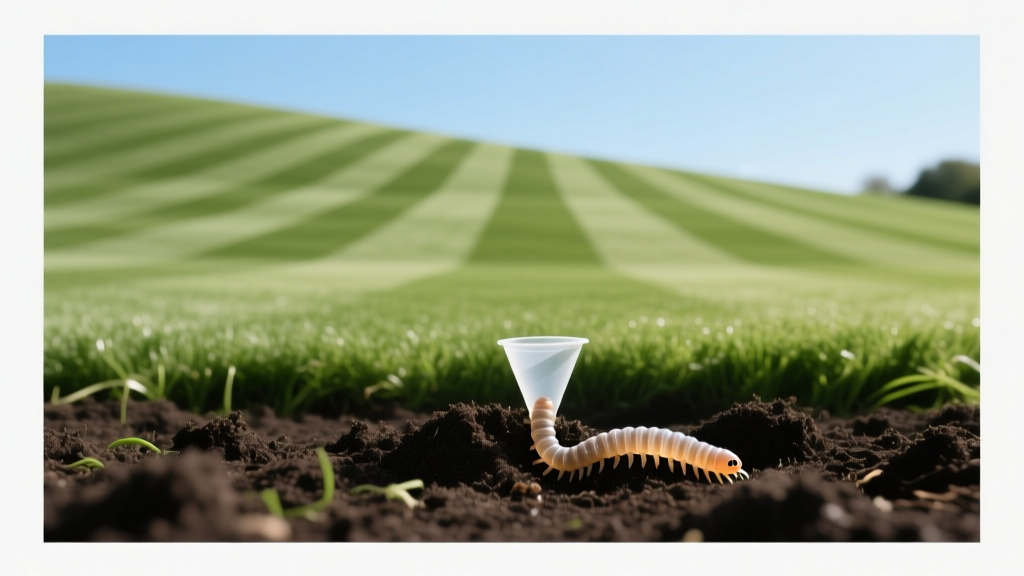
2026 Lawn Striping: Scanmask Nematodes for Pest Control
Lisa ThompsonPublished
The Optical Illusion of Lawn Stripes and the Pest Threat
Creating flawless lawn stripes, checkerboards, and intricate aesthetic patterns is all about the manipulation of light. When you bend healthy grass blades in alternating directions using a striping kit or roller, the light reflects off the different sides of the leaf tissue, creating the striking contrast of dark and light bands. However, this optical illusion relies entirely on the uniform density, health, and turgidity of your turfgrass. In 2026, as home turf enthusiasts push for deeper, more dramatic striping patterns, the underlying soil health has never been more critical. Soil-dwelling pests—such as grubs, cutworms, and sod webworms—sever the root systems and chew through the crowns of the grass. This damage leads to localized wilting, thinning, and brown patches that instantly shatter the visual continuity of your striping pattern. A single damaged zone doesn't just kill grass; it breaks the reflection of light, turning a masterpiece into a patchy mess.
Why Scanmask is the 2026 Standard for Aesthetic Turf
Modern lawn care in 2026 heavily favors integrated pest management (IPM) and organic solutions that preserve soil biology. Harsh synthetic pesticides can degrade soil structure over time, leading to shallow root systems that lack the resilience needed to withstand the physical pressure of heavy lawn rollers and striping kits. Enter Scanmask, a premier commercial formulation of beneficial nematodes (Steinernema feltiae). These microscopic, unsegmented roundworms are naturally occurring soil organisms that actively seek out and infect soil-dwelling pest larvae. Once inside the host, the nematodes release symbiotic bacteria that quickly eliminate the pest, after which the nematodes reproduce and seek new targets. For turf managers focused on high-end aesthetics, Scanmask provides a biological shield that protects the root zone without harming earthworms, beneficial microbes, or the delicate soil food web required for thick, luxurious, stripe-ready turf.
Target Pests That Ruin Turf Density and Stripes
While Steinernema feltiae is famous for controlling fungus gnats in greenhouses, it is also a highly effective biological control agent for several turf-destroying pests that operate near the soil surface and in the thatch layer. According to the EPA's overview of biopesticides, beneficial nematodes are a cornerstone of sustainable pest management, offering targeted control without the environmental runoff associated with chemical alternatives. Below is a breakdown of the primary aesthetic-ruining pests targeted by Scanmask applications in residential lawns.
| Target Pest | Damage to Striping Canvas | Scanmask Efficacy & Timing |
|---|---|---|
| Sod Webworms | Chew grass blades at the crown, causing irregular brown spots that disrupt light reflection. | High efficacy. Apply in late spring or late summer when larvae are active in the thatch. |
| Cutworms | Sever grass stems at the soil line, creating distinct dead patches that ruin pattern continuity. | Moderate to High. Best applied in the early evening when cutworms emerge to feed. |
| Fungus Gnat Larvae | Feed on fine root hairs and organic matter, weakening overall turf density and blade turgidity. | Very High. Ideal for overwatered, shaded lawn areas where striping contrast is already challenging. |
| Thrips (Soil-Pupating) | Damage leaf tissue and pupate in soil, leading to silvery, distorted blades that reflect light poorly. | Moderate. Apply during early pupation stages in the top inch of soil. |
For deep-soil white grubs (like Japanese Beetle or June Beetle larvae), turf experts often recommend complementing S. feltiae with Heterorhabditis bacteriophora. However, for the surface-feeding and thatch-dwelling pests that directly mar the visual canopy of your striping lawn, Scanmask is an exceptional choice. As noted by Penn State Extension, understanding the specific life cycle and feeding depth of your turf pests is paramount to selecting the correct biological control agent and application timing.
Step-by-Step Scanmask Application for Pristine Lawns
Applying beneficial nematodes requires a different mindset than spraying chemical herbicides. You are dealing with living organisms that must be kept viable, protected from UV light, and delivered directly into the pest's habitat. As of 2026, a standard 50-million nematode tray of Scanmask typically retails between $45 and $60, treating up to 1,500 square feet of high-maintenance turf.
1. Timing and Soil Temperature
Nematodes are highly sensitive to extreme temperatures. For optimal results, soil temperatures should be consistently between 55°F and 85°F. In most temperate zones, this means planning your application for mid-to-late spring or early autumn. Applying Scanmask during the heat of a July afternoon will result in rapid nematode mortality, wasting your investment and leaving your lawn stripes vulnerable to pest damage.
2. Preparation and Mixing
Before application, mow your lawn to your standard striping height (usually 2.5 to 3.5 inches for cool-season grasses) and remove excessive thatch if the layer exceeds half an inch. Thatch can act as a barrier, preventing the nematodes from reaching the soil. Mix the Scanmask formulation into a bucket of cool, clean water. Avoid using water straight from a municipal tap if it is heavily chlorinated, as chlorine can kill the nematodes. If you must use tap water, let it sit in an open bucket for 24 hours to allow the chlorine to off-gas. Stir the mixture gently and let it hydrate for the time specified on the 2026 product label, usually about 15 to 20 minutes.
3. Application and Irrigation
Apply the nematode solution using a hose-end sprayer designed for biologicals, or a watering can for smaller, highly manicured pattern zones. The University of California IPM program emphasizes that immediate post-application irrigation is critical. You must water the lawn immediately after applying Scanmask to wash the nematodes off the grass blades and deep into the soil profile where the pests reside. Apply at least a quarter-inch of water post-treatment. Crucially, apply nematodes in the early evening or on a heavily overcast day. UV radiation from direct sunlight is lethal to Steinernema feltiae within minutes of exposure.
Maintaining the Canvas: Post-Treatment Striping Tips
Once the Scanmask application is complete, your primary goal for the next two weeks is to keep the soil consistently moist. Nematodes require a film of water to move through the soil pores and hunt their prey. This aligns perfectly with the needs of a high-end striping lawn, which requires deep, consistent moisture to maintain the cellular turgidity necessary for crisp bending. However, be careful not to overwater to the point of waterlogging, which can suffocate roots and invite fungal diseases.
When you resume your mowing and striping routine, ensure your mower blades are razor-sharp. Torn grass blades develop white, frayed tips that scatter light unpredictably, dulling the contrast of your stripes. Furthermore, when using a weighted lawn roller or a dedicated striping kit, ensure the soil is not overly saturated, as heavy rolling on muddy soil can cause compaction. Compacted soil restricts the movement of both your newly introduced beneficial nematodes and the developing grass roots.
Conclusion
Achieving stadium-quality lawn stripes in 2026 is as much about what happens beneath the soil as it is about the mowing technique above it. Soil-dwelling pests are the silent destroyers of aesthetic turf patterns, severing roots and thinning the canopy in ways that ruin light reflection. By integrating Scanmask beneficial nematodes into your seasonal lawn care regimen, you deploy a microscopic army that defends your turf's foundation organically. This proactive, biological approach ensures your grass remains dense, deeply rooted, and perfectly primed to bend to your will, resulting in flawless, head-turning patterns all season long.