Pest Control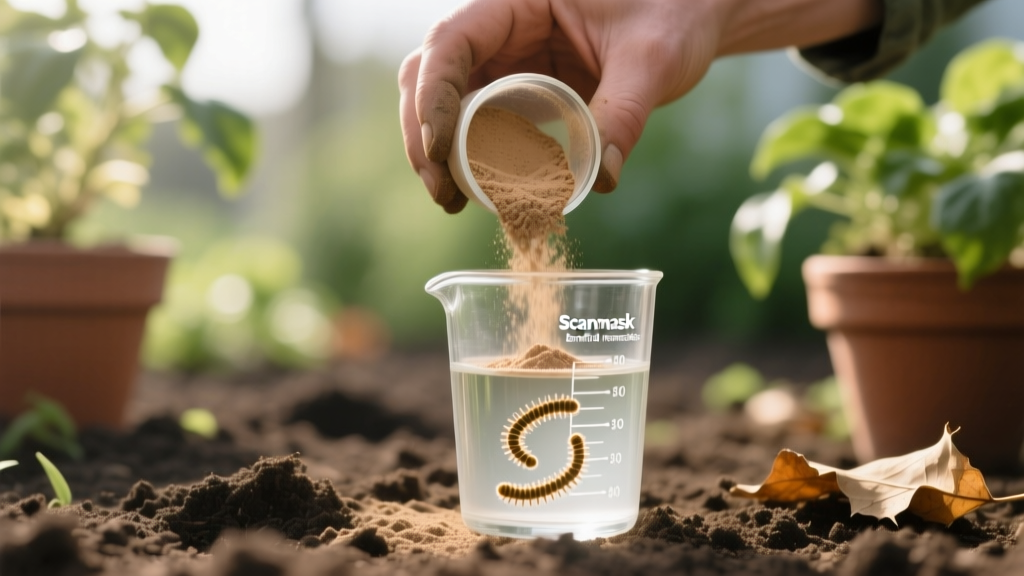
Scanmask Nematodes 2026: Ultimate Soil Pest Control Guide
Robert HayesPublished
The Rise of Bio-Control in 2026: Why Scanmask is Leading the Charge
As we move deeper into 2026, the landscape of lawn and garden pest control has shifted dramatically. With stricter environmental regulations limiting the use of synthetic neonicotinoids and broad-spectrum soil drenches, home gardeners and professional landscapers alike are turning to Integrated Pest Management (IPM) and biological controls. At the forefront of this organic revolution is Scanmask, a highly effective, commercially produced beneficial nematode product designed specifically to target soil-dwelling pests. Whether you are battling a severe fungus gnat infestation in your indoor greenhouse or trying to protect your turf from destructive thrips pupae, understanding how to properly apply Scanmask is critical for achieving a thriving, pest-free environment.
Scanmask utilizes Steinernema feltiae, a species of entomopathogenic nematode that occurs naturally in soils across the globe. Unlike chemical pesticides that leave toxic residues and harm beneficial earthworms, S. feltiae is a targeted biological weapon that seeks out specific insect larvae, infects them, and reproduces, creating a self-sustaining cycle of pest control. According to the Environmental Protection Agency (EPA), biological controls like beneficial nematodes are a cornerstone of modern sustainable agriculture and residential landscaping because they pose virtually no risk to humans, pets, or non-target pollinators.
What Exactly is Scanmask and How Does it Work?
Scanmask is a premium formulation of live Steinernema feltiae nematodes produced by BioWorks. These microscopic, unsegmented roundworms are essentially biological Trojan horses. The infective juvenile stage of the nematode actively hunts for soil-dwelling insects by sensing changes in temperature, carbon dioxide levels, and insect waste.
Once a host is located, the nematode enters the insect's body through natural openings such as the mouth, anus, or spiracles. Inside the host, the nematode releases a symbiotic bacterium called Xenorhabdus bovienii. This bacterium rapidly multiplies, causing septicemia and killing the host insect within 24 to 48 hours. The nematodes then feed on the developing bacteria and insect tissues, reproduce, and release thousands of new infective juveniles into the surrounding soil to hunt for the next victim. The National Pesticide Information Center (NPIC) notes that this symbiotic relationship is what makes entomopathogenic nematodes so devastating to pest populations while remaining entirely safe for the surrounding ecosystem.
Target Pests for Scanmask
While Steinernema feltiae is a versatile predator, it is particularly effective against pests that spend a significant portion of their life cycle in the top layers of soil or potting media. Below is a breakdown of the primary targets for Scanmask applications in 2026.
| Target Pest | Life Stage Targeted | Efficacy Level | Primary Environment |
|---|---|---|---|
| Fungus Gnats | Larvae | Excellent | Greenhouses, Houseplants, Nurseries |
| Western Flower Thrips | Pupae | Very Good | Flower Beds, Vegetable Gardens |
| Flea Beetles | Larvae/Root feeders | Good | Turfgrass, Row Crops |
| Black Vine Weevils | Larvae | Moderate to Good | Ornamental Shrubs, Berries |
| Crane Flies (Leatherjackets) | Larvae | Good | Lawns, Turfgrass |
Step-by-Step Application Guide for 2026
Applying beneficial nematodes is not as simple as spraying a synthetic chemical. Because Scanmask contains living organisms, their survival and efficacy depend heavily on environmental conditions and proper handling. Follow this comprehensive guide to ensure maximum pest eradication.
Step 1: Soil Preparation and Timing
Nematodes require a film of water to move through soil pores. Before application, thoroughly water the target area or ensure your potting media is evenly moist. Soil temperature is equally critical; S. feltiae is unique among commercial nematodes because it remains active at cooler temperatures. However, for optimal results in 2026, aim to apply when soil temperatures are between 50°F and 86°F (10°C - 30°C). Apply during the early morning or late evening to avoid UV radiation, which can kill the nematodes on contact.
Step 2: Hydration and Mixing
Scanmask is typically shipped in a dormant state, formulated with a moisture-retaining carrier like clay or gel. To wake the nematodes:
- Empty the contents of the Scanmask package into a clean bucket containing 1 to 2 gallons of dechlorinated water. (Chlorine and chloramine found in municipal tap water will kill the nematodes. Let tap water sit out for 24 hours, or use filtered/rainwater).
- Stir the mixture gently but thoroughly to break up any clumps and ensure an even suspension.
- Allow the mixture to hydrate for 10 to 15 minutes, stirring occasionally. This gives the nematodes time to acclimate to the water temperature and become fully active.
Step 3: Application Methods
Depending on your scale, you can apply the hydrated Scanmask solution using several methods:
- Watering Can: Best for indoor houseplants, small raised beds, or targeted greenhouse treatments. Dilute the concentrated bucket mixture into the watering can with additional dechlorinated water and drench the soil evenly.
- Backpack or Pump Sprayer: Ideal for mid-sized gardens and turf. Remove the fine mesh filter from your sprayer wand to prevent clogging. Use a nozzle with a large orifice and apply at a pressure below 300 PSI to avoid crushing the nematodes.
- Hose-End Siphon Sprayer: Best for large lawns. Place the concentrated nematode slurry into the siphon bottle and attach it to your garden hose. Ensure the hose water is not overly hot from sitting in the sun.
Step 4: Post-Application Watering
Immediately after applying the nematode solution, water the area lightly with a sprinkler or hose. This washes the nematodes off grass blades and plant foliage, pushing them down into the soil and root zone where their target pests reside. For the next 10 to 14 days, maintain consistent soil moisture. If the top inch of soil dries out, the nematodes will desiccate and die before they can complete their reproductive cycle.
2026 Coverage Rates and Pricing Estimates
Pricing for biological controls has stabilized in 2026 due to improved mass-rearing techniques and streamlined cold-chain shipping networks. Below are the standard coverage rates and estimated retail costs for Scanmask products this year.
| Product Size | Nematode Count | Coverage Area | Estimated 2026 Price |
|---|---|---|---|
| Scanmask 10M | 10 Million | Up to 120 sq. ft. | $35.00 - $42.00 |
| Scanmask 50M | 50 Million | Up to 600 sq. ft. | $85.00 - $95.00 |
| Scanmask 250M | 250 Million | Up to 3,000 sq. ft. | $210.00 - $240.00 |
Note: Always calculate your square footage accurately. Over-applying is safe but wasteful, while under-applying will result in poor pest control due to an insufficient predator-to-prey ratio.
Common Mistakes to Avoid
Even experienced gardeners can sabotage a bio-control program by overlooking basic biological needs. Avoid these common pitfalls:
- Using Chlorinated Water: As mentioned, municipal water treatment chemicals are lethal to nematodes. Always use dechlorinated, distilled, or clean rainwater.
- Applying in Direct Sunlight: UV rays destroy nematodes within minutes. Never apply Scanmask in the middle of a hot, sunny afternoon.
- Freezing or Overheating During Transit: Scanmask must be kept cool (35°F - 50°F) during shipping and storage. If your package arrives frozen solid or hot to the touch in the middle of summer, the nematodes are likely dead. Contact the supplier immediately for a replacement.
- Mixing with Chemical Fertilizers or Pesticides: High salt concentrations from synthetic fertilizers and active ingredients from broad-spectrum insecticides will kill S. feltiae. Wait at least two weeks between chemical applications and nematode releases.
Pro Tip for 2026: To maximize the longevity of your unopened Scanmask, store it in a dedicated refrigerator (not a freezer) away from ethylene-producing fruits like apples and bananas, which can negatively impact the nematodes' vitality.
Integrating Scanmask into Your IPM Strategy
Beneficial nematodes should not be viewed as a standalone silver bullet, but rather as a vital component of a broader Integrated Pest Management (IPM) strategy. For severe fungus gnat infestations in indoor grows or greenhouses, the University of Minnesota Extension recommends a dual-pronged biological approach. Combine Scanmask soil drenches with Bacillus thuringiensis israelensis (BTI), commonly sold as mosquito dunks or bits. BTI targets the gnat larvae in the topmost layer of saturated soil, while the nematodes hunt them slightly deeper in the root zone.
Additionally, utilize yellow sticky cards to monitor adult fungus gnat populations and deploy predatory soil mites (Hypoaspis miles) to consume insect eggs. By layering these biological controls, you attack the pest at every stage of its life cycle without ever reaching for a toxic chemical spray. This multi-tiered approach ensures long-term garden health, protects local watersheds from chemical runoff, and aligns perfectly with the sustainable landscaping standards expected in 2026 and beyond.
Conclusion
Scanmask beneficial nematodes represent the cutting edge of accessible, eco-friendly pest control. By understanding the biology of Steinernema feltiae and adhering to strict application protocols regarding moisture, temperature, and UV protection, you can effectively eradicate soil-dwelling pests while nurturing a vibrant, living soil ecosystem. As we continue to embrace organic methodologies in 2026, mastering the use of biological agents like Scanmask is an essential skill for any modern gardener or turf manager.