Lawn Care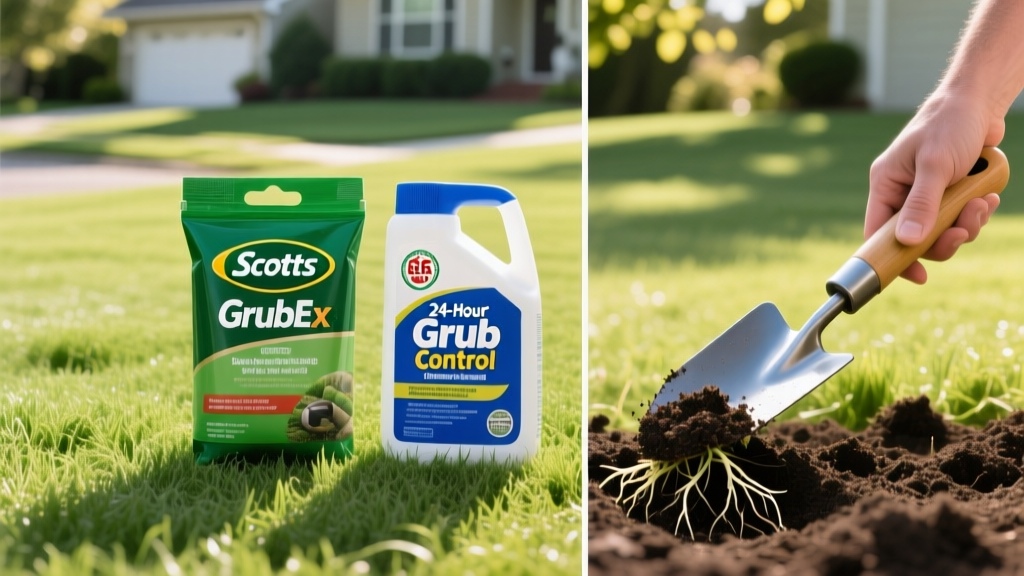
GrubEx vs Bayer Advanced 24-Hour Grub Control 2026
Mike RodriguezPublished
The Hidden Link Between Pruning Methods and Grub Life Cycles
When homeowners think about grub control, they rarely look up at the branches of their landscape trees and shrubs. Yet, as we navigate the 2026 growing season, turfgrass science increasingly highlights how pruning methods and timing directly alter the microclimate of your lawn, fundamentally shifting the efficacy and timing of grub treatments. The battle against turf-destroying larvae—primarily Japanese beetles, European chafers, and June bugs—often comes down to two heavyweight products: Scotts GrubEx (a preventative) and Bayer Advanced 24-Hour Grub Killer (a curative). But choosing between them, and knowing exactly when to apply them, depends heavily on how you manage the canopy above your grass.
Proper pruning methods, specifically thinning cuts that open the tree canopy, increase solar penetration to the soil below. According to the University of Minnesota Extension, strategic dormant pruning in late winter promotes vigorous spring growth while allowing dappled sunlight to reach the turf. This increased sunlight warms the soil earlier in the spring. Warmer soil accelerates the emergence of adult beetles and the subsequent hatching of grub eggs. Consequently, a well-pruned, sun-exposed lawn requires an earlier application of preventative grub control compared to a heavily shaded, unpruned landscape. Understanding this symbiotic relationship between your pruning schedule and your lawn care calendar is the key to a pristine, grub-free yard in 2026.
Scotts GrubEx: The Preventative Powerhouse for Sun-Exposed Lawns
Scotts GrubEx utilizes the active ingredient Chlorantraniliprole, a highly effective, environmentally conscious compound that targets the early larval stages of grubs. It does not kill mature grubs; rather, it prevents young larvae from developing after they hatch from eggs laid in early summer. Because it takes time for the active ingredient to bind to the soil organic matter and move into the root zone, GrubEx is strictly a preventative measure.
How Pruning Impacts GrubEx Timing
If you performed proper thinning cuts on your shade trees in February or March, your lawn soil will reach the critical 60°F threshold earlier in May. This means adult beetles will emerge, mate, and lay eggs earlier than they would in a densely shaded yard. For these sun-exposed, well-pruned lawns, the ideal window to apply Scotts GrubEx in 2026 is early to mid-May. If you wait until June, the early-hatching grubs in your warm, sunlit soil may already be feeding on your grass roots before the product has fully activated.
Application Tip: GrubEx requires a light watering of about 0.25 inches immediately after application to activate the granules and wash the Chlorantraniliprole into the top two inches of the soil profile where eggs will eventually hatch.
Bayer Advanced 24-Hour Grub Killer: The Curative Rescue
Bayer Advanced 24-Hour Grub Killer (widely recognized in the 2026 market under its active ingredient profile, Trichlorfon, often known as Dylox) is a fast-acting, curative insecticide. Unlike GrubEx, Bayer Advanced is designed to kill actively feeding grubs within 24 hours of contact or ingestion. It is the go-to rescue treatment for homeowners who missed the preventative window or who suddenly notice brown, peeling patches of turf in late summer.
The Shade and Thatch Factor
Bayer Advanced is highly sensitive to soil chemistry and organic barriers. If your pruning methods involved heavy heading cuts that stimulate dense, erratic shading, or if you allowed pruning debris and wood chips to accumulate on the lawn edges, your turf likely suffers from a thick thatch layer. Trichlorfon binds tightly to organic matter. If thatch exceeds 0.5 inches, the Bayer Advanced granules will get trapped in the dead organic layer and never reach the soil where the grubs are feeding.
Furthermore, the Ohio State University Extension notes that curative treatments like Trichlorfon are most effective when grubs are young and actively feeding near the soil surface in late summer. If your unpruned trees kept the soil cool all summer, grub hatching may be delayed until August, making Bayer Advanced your best option for a late-season rescue.
Head-to-Head Comparison: GrubEx vs. Bayer Advanced
| Feature | Scotts GrubEx (Preventative) | Bayer Advanced 24-Hour (Curative) |
|---|---|---|
| Active Ingredient | Chlorantraniliprole | Trichlorfon (Dylox) |
| Control Type | Preventative (stops early larvae) | Curative (kills active, feeding grubs) |
| Best Application Window | May to early June | August to September |
| Watering Requirement | 0.25 inches to activate | 0.5 inches to push through thatch |
| Pruning Microclimate Impact | Apply earlier if trees were thinned and soil warms quickly. | Requires heavy dethatching if pruning debris was left on turf. |
| Longevity in Soil | Lasts up to 4 months | Degrades rapidly (approx. 7-10 days) |
Managing Pruning Debris for Maximum Chemical Penetration
One of the most common mistakes homeowners make in 2026 is treating their lawn for grubs without first addressing the physical debris left behind by seasonal pruning. When you prune shrubs, hedges, or low-hanging tree branches, the resulting leaf litter, small twigs, and mulch often get blown or raked into the lawn margins. Over time, this accelerates thatch buildup.
Thatch is a dense mat of living and dead organic matter that sits between the green grass blades and the soil surface. Grubs thrive in the thatch layer because it retains moisture and protects them from predators. When you apply Bayer Advanced 24-Hour Grub Killer over a thick thatch layer, the Trichlorfon binds to the organic material and breaks down in the sunlight before it ever reaches the root zone. To ensure your grub control investment pays off, you must integrate pruning cleanup with lawn preparation:
- Rake and Remove: Never leave pruning clippings on the turf. Compost them or use municipal yard waste services.
- Core Aeration: If your pruning schedule resulted in heavy foot traffic around the base of trees (compacting the soil), perform core aeration in early spring. This breaks up thatch and creates channels for GrubEx to reach the soil.
- Mowing Height: Maintain a mowing height of 3 to 3.5 inches. Taller grass shades the soil just enough to retain moisture without creating the damp, decaying environment that attracts egg-laying beetles.
Your Complete 2026 Pruning and Grub Control Calendar
To synchronize your landscape pruning methods with your lawn care subtopic of grub control, follow this optimized 2026 calendar. This schedule assumes a mix of cool-season grasses (like Kentucky Bluegrass or Fescue) and standard deciduous shade trees.
February to March: Dormant Pruning & Canopy Management
Focus on structural pruning of deciduous trees while they are dormant. Use thinning cuts to remove crossing branches and open the canopy. This allows the spring sun to penetrate the turf below, warming the soil and preparing it for the upcoming growing season. Clean up all debris to prevent thatch accumulation.
April: Soil Prep & Thatch Assessment
As the soil warms from your newly opened canopy, assess the lawn for thatch. If the thatch layer is thicker than 0.5 inches, perform a aggressive dethatching or core aeration. This is critical preparation for both preventative and curative grub treatments later in the year.
May: The Preventative Window (Scotts GrubEx)
Because your trees were properly pruned in late winter, your soil has warmed evenly. Adult beetles will begin their emergence. Apply Scotts GrubEx between May 10th and May 25th. Water the lawn with 0.25 inches of irrigation immediately to activate the Chlorantraniliprole. This creates a protective zone in the soil just in time for the summer egg hatch.
August to September: Scouting & Curative Rescue (Bayer Advanced)
If you did not use a preventative, or if you have a section of lawn that was heavily shaded by unpruned evergreens where GrubEx was applied too late, scout for grubs. Cut a one-square-foot section of turf and peel it back. If you count more than 5 to 7 active, C-shaped white grubs, it is time for a rescue treatment. Apply Bayer Advanced 24-Hour Grub Killer. Because Trichlorfon degrades quickly in high heat and alkaline soil, apply it in the late afternoon and water it in heavily (0.5 inches) to push the chemical past the thatch layer and into the feeding zone.
Conclusion
Winning the war against lawn grubs in 2026 requires looking at your landscape holistically. The choice between Scotts GrubEx and Bayer Advanced 24-Hour Grub Killer is not just about reading the back of the bag; it is about understanding how your pruning methods dictate the temperature, sunlight, and thatch levels of your lawn. By opening the canopy through proper winter pruning, managing organic debris, and timing your chemical applications to match the microclimate you have created, you can ensure a deep, resilient, and grub-free root system for the entire season.