Lawn Care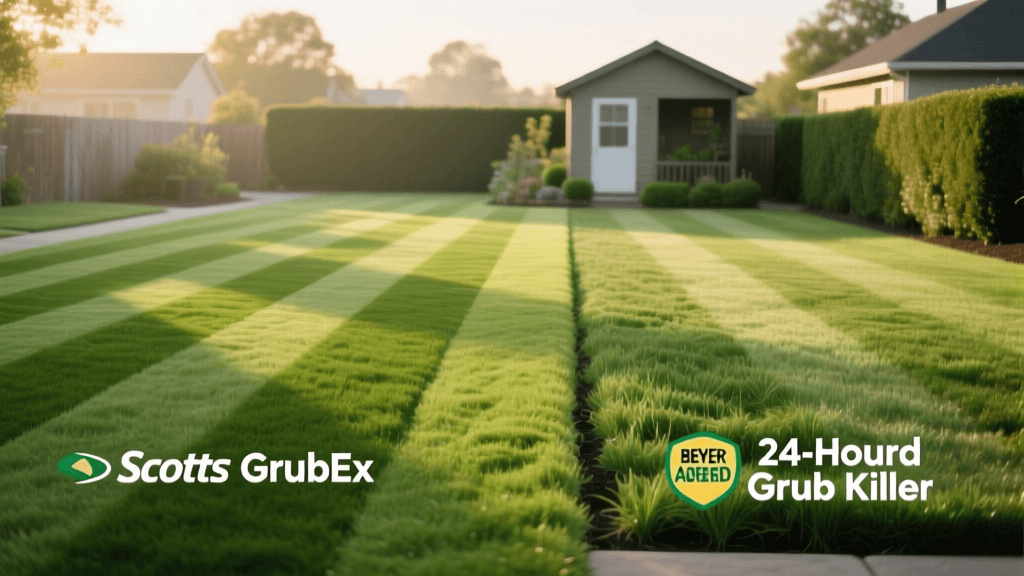
Best Grub Control For Lawn Stripes: Scotts vs Bayer 2026
The Secret to Perfect Lawn Stripes: Healthy Roots
Creating pristine, stadium-quality lawn stripes in your backyard is one of the most rewarding aesthetic pursuits in modern lawn care. However, the secret to those flawless checkerboards, diamonds, and waves isn't just a heavy roller or a premium striping kit—it is the underlying health of your turf's root system. In 2026, as soil temperatures fluctuate and grub populations remain a persistent threat to cool-season and warm-season grasses alike, protecting your lawn's roots is paramount. When white grubs feast on your turf's roots, the grass loses its structural integrity, making it impossible to bend cleanly for striping. Today, we dive deep into the two heavyweights of grub control—Scotts GrubEx and Bayer Advanced 24-Hour Grub Killer—and analyze how they impact your lawn's aesthetic patterns and striping potential.
The Mechanics of Lawn Striping and Root Health
To understand why grub control is essential for lawn aesthetics, you must first understand the science of striping. Lawn stripes are created by bending grass blades in opposite directions. Light reflects off the side of the blade facing you (appearing light) and is absorbed by the top of the blade facing away (appearing dark). For a grass blade to bend smoothly and hold its position without snapping or wilting, it requires high turgor pressure and a deeply anchored root system.
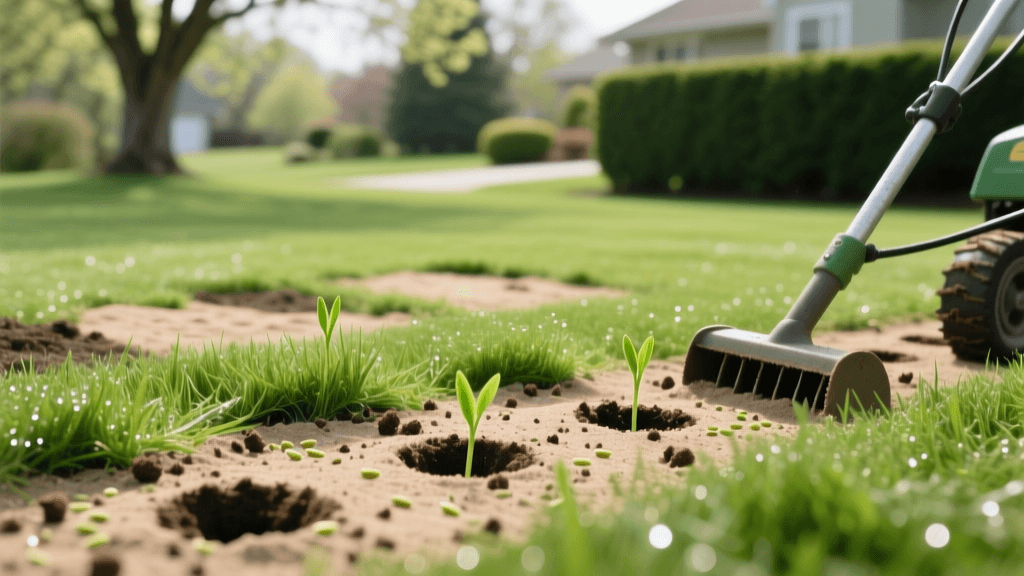
White grubs—the larvae of Japanese beetles, June bugs, and European chafers—feed exclusively on these vital roots. According to Penn State Extension, severe grub infestations sever the turf from the soil profile. When the roots are gone, the grass loses its water uptake capability, wilts, and detaches. If you attempt to drag a striping roller over grub-damaged turf, the grass will simply uproot or tear, leaving behind ugly brown streaks that completely ruin your aesthetic patterns.
Scotts GrubEx: The Preventative Stripe Protector
Scotts GrubEx utilizes the active ingredient chlorantraniliprole, a highly effective preventative grub control agent. For lawn striping enthusiasts, GrubEx is the gold standard for long-term canopy health. Because it is applied in the spring or early summer, it intercepts the grub life cycle right as eggs hatch. The chemical binds to the soil and root zone, ensuring that young grubs are eliminated before they can grow large enough to cause significant root pruning.
From an aesthetic standpoint, using a preventative like GrubEx means your turf never experiences the stress of root loss. The grass maintains deep, vigorous roots throughout the peak striping months of late summer and early fall. Furthermore, chlorantraniliprole is known for its excellent safety profile regarding earthworms and beneficial soil organisms, which naturally aerate the soil and promote the thick, dense turf required for high-contrast lawn stripes.
Bayer Advanced 24-Hour: The Curative Pattern Savior
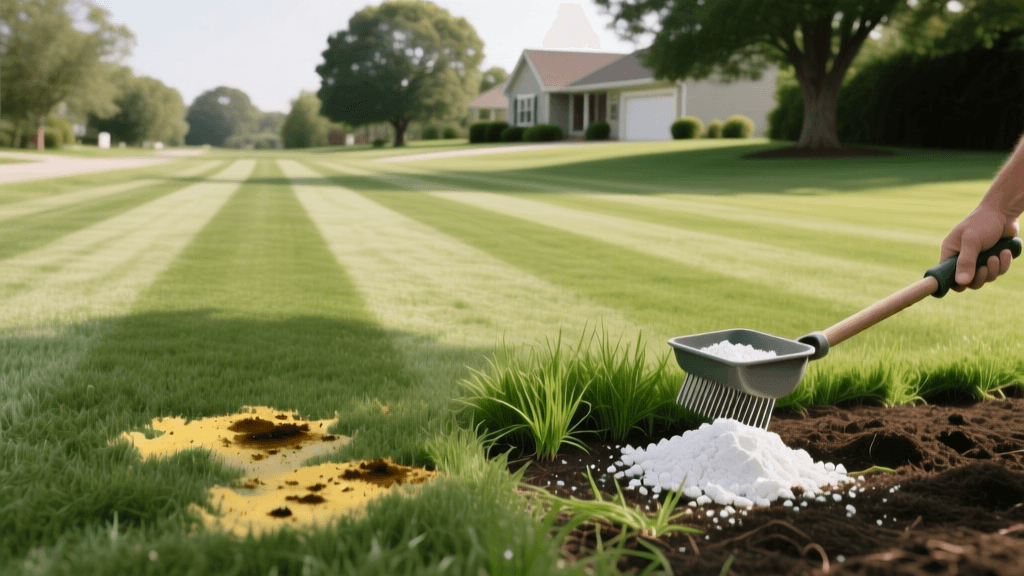
Despite best efforts, many homeowners discover grub damage only when their pristine lawn stripes suddenly develop irregular, dead patches in late summer. This is where Bayer Advanced 24-Hour Grub Killer steps in. Formulated with trichlorfon (often known as Dylox), this product is a curative treatment designed for rapid knockdown of large, actively feeding grubs.
While Bayer Advanced won't prevent the initial root damage that has already occurred, it stops the infestation in its tracks within 24 hours. For the aesthetic perfectionist, this rapid curative action is vital. It halts the outward spread of brown, dead patches, allowing you to overseed and repair the damaged sections of your lawn before the fall striping season ends. However, because the roots have already been compromised, the turf will require aggressive watering and a rest period from heavy striping rollers to recover its structural integrity. The University of Kentucky Entomology department notes that trichlorfon degrades relatively quickly in high-pH soils, making precise timing and immediate watering critical for success.
Head-to-Head Comparison: GrubEx vs. Bayer Advanced
Choosing between these two products depends entirely on the current state of your lawn's aesthetic patterns and the time of year. Below is a comprehensive comparison tailored for the 2026 lawn care season.
| Feature | Scotts GrubEx (Preventative) | Bayer Advanced 24-Hour (Curative) |
|---|---|---|
| Active Ingredient | Chlorantraniliprole | Trichlorfon (Dylox) |
| Best Application Time | Spring to Early Summer | Late Summer to Early Fall |
| Speed of Control | Slow (Weeks to activate) | Rapid (24-Hour knockdown) |
| Impact on Striping | Preserves root mass for deep, unbroken stripes | Saves remaining turf; requires recovery time for stripes |
| Soil Mobility | Low (Stays in root zone safely) | High (Must be watered in immediately) |
| 2026 Avg. Cost (5k sq ft) | $35.00 - $40.00 | $25.00 - $30.00 |
How Grub Damage Destroys Aesthetic Lawn Patterns
When planning complex lawn patterns like concentric circles or multi-directional checkerboards, uniform turf density is your canvas. Grub damage introduces chaos to this canvas. As noted by Michigan State University Extension, grub-damaged turf feels spongy underfoot. This sponginess ruins the clean lines required for aesthetic mowing. When you mow over spongy, grub-damaged soil, the mower wheels sink unevenly, resulting in a scalped or wavy cut that catches the sunlight poorly.
Additionally, secondary damage from foraging animals like crows, skunks, and raccoans tearing up the lawn to eat the grubs will leave deep divots. These divots not only destroy the visual continuity of your stripes but also create hazardous, uneven terrain that can damage your mower deck and striping kit.
2026 Application Timelines for Striping Enthusiasts
To maintain a flawless canvas for your striping art, you must align your grub control with the 2026 seasonal shifts. Warmer spring soil temperatures in many regions mean that Japanese beetle egg hatches may occur slightly earlier than historical averages.
- The Preventative Window (April - June): Apply Scotts GrubEx when soil temperatures consistently reach 60°F. This ensures the chlorantraniliprole is fully integrated into the root zone before the first wave of eggs hatch in July. Your turf will enter the peak August striping season with an impenetrable root system.
- The Curative Window (August - September): If you notice your lawn stripes losing their contrast, or if the turf pulls up like loose carpet, apply Bayer Advanced 24-Hour immediately. You must apply this when grubs are small to medium-sized (early instars) for the trichlorfon to be fully effective. Follow up with a heavy watering cycle to push the active ingredient into the soil profile.
Expert Tips for Maintaining Stripe-Ready Turf Post-Treatment
Applying the grub killer is only half the battle. To ensure your lawn is ready for the striping roller, follow these post-application aesthetic maintenance rules:
1. The 24-Hour Watering Rule: Both products require moisture to activate, but Bayer Advanced demands immediate, deep watering (at least 0.5 inches) to prevent the trichlorfon from degrading in sunlight. Proper watering also restores turgor pressure to the grass blades, which is mandatory for bending them into crisp stripes.
2. Adjust Mowing Heights: After a curative Bayer application, raise your mower deck by half an inch. Taller grass blades have more surface area to catch the light, creating darker, more dramatic stripes while the root system recovers from grub feeding.
3. Roller Weight Management: If you suspect early grub activity, reduce the weight of your striping roller or switch to a lightweight polyurethane flap kit. Heavy steel rollers on weakened roots will pull the turf out of the ground, turning a minor grub issue into a major aesthetic disaster.
Conclusion: Protecting Your Lawn's Canvas
In the world of lawn striping and aesthetic patterns, your turf is both your canvas and your paint. Scotts GrubEx acts as the protective primer, ensuring the canvas remains taut, healthy, and ready for the roller. Bayer Advanced 24-Hour is your emergency restoration tool, stepping in to save the artwork when pests threaten to tear it apart. By understanding the unique chemical properties and application timings of these two industry-leading products, you can guarantee that your lawn remains a pristine, striped masterpiece throughout the entirety of the 2026 growing season.