Pest Control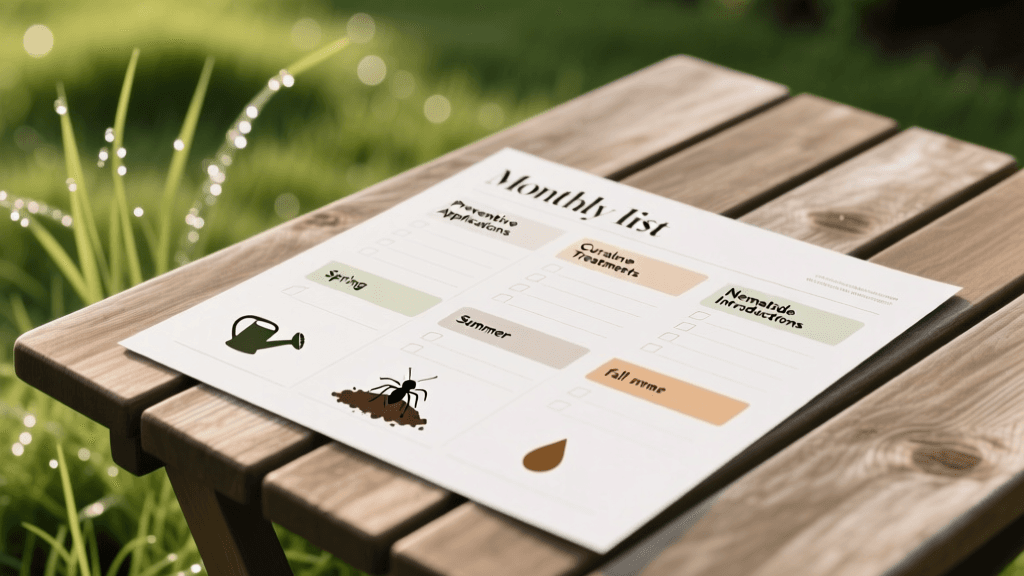
The Ultimate Seasonal Grub Control Schedule & Checklist
The Hidden Threat Beneath Your Turf
White grubs are the immature, larval stage of scarab beetles, including the infamous Japanese beetle, European chafer, and June bug. These C-shaped, cream-colored pests live just beneath the soil surface, feasting on the root systems of your turfgrass. Left unchecked, a severe grub infestation will cause large, irregular brown patches of dead grass that can be rolled back like a loose carpet. Worse, the presence of grubs often attracts secondary pests like skunks, raccoons, and crows, which will tear up your lawn in search of a protein-rich meal.
Effective pest management relies heavily on timing. Applying the wrong product at the wrong time of year is not only a waste of money but can also harm beneficial soil organisms. According to Penn State Extension, understanding the specific life cycle of the grub species in your region is the cornerstone of Integrated Pest Management (IPM). This comprehensive seasonal schedule and checklist will guide you through inspection, preventative care, and curative treatments to keep your lawn pristine year-round.
Understanding the Grub Life Cycle
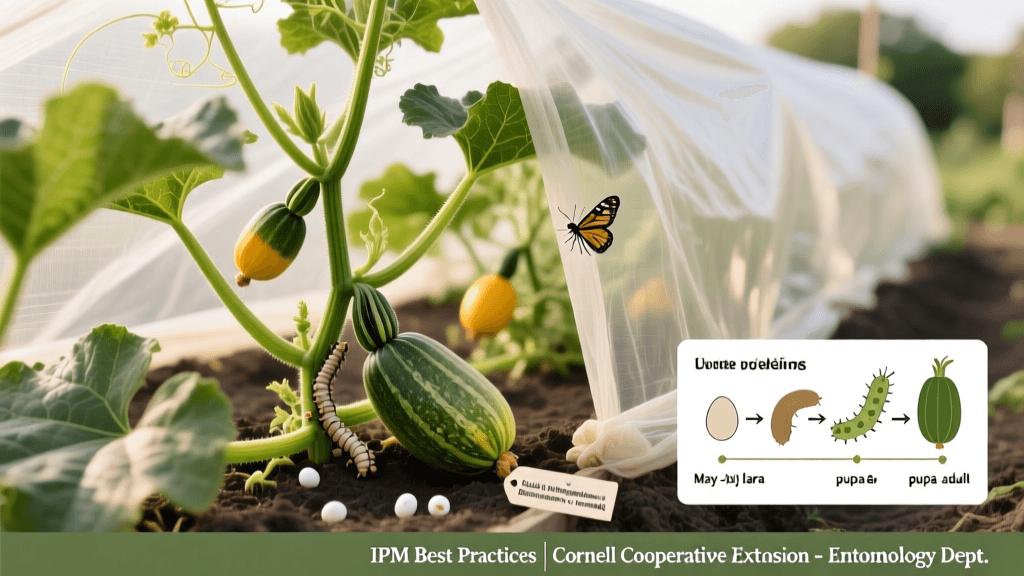
To master your lawn care schedule, you must think like a beetle. Adult beetles emerge from the soil in early summer (June to July) to mate and lay eggs in moist, well-irrigated lawns. These eggs hatch in late July and August, releasing young grubs that feed aggressively on grassroots throughout the late summer and early fall. As soil temperatures drop in November, grubs burrow deep below the frost line to overwinter. They return to the surface in spring (April to May) to feed briefly before pupating into adults, restarting the cycle.
The Annual Grub Control Schedule
Use this high-level overview to plan your lawn care budget and calendar. Timing is everything; a preventative applied in September will not stop grubs that hatched in August.
| Season | Months | Primary Action | Product Type |
|---|---|---|---|
| Spring | March - May | Inspection & Damage Assessment | Curative (Only if threshold met) |
| Early Summer | May - June | Long-Term Prevention | Chlorantraniliprole |
| Mid-Summer | June - July | Standard Prevention | Imidacloprid / Clothianidin |
| Fall | August - October | Active Infestation Treatment | Trichlorfon / Nematodes |
Spring Checklist: Inspection and Assessment (March - May)
Spring is generally not the time for widespread preventative chemical applications. The grubs present in your soil are overwintered larvae nearing the end of their life cycle. They are large, but their feeding window is short before they pupate.
Step 1: The Tug Test and Spade Cut
Before buying any products, determine if you actually have a problem. According to University of Kentucky Entomology, the economic threshold for treatment is typically 5 to 10 grubs per square foot.
- Use a sharp spade to cut three sides of a 1-foot by 1-foot square in your lawn.
- Peel back the sod like a hinge and inspect the top 2 inches of soil.
- Count the grubs. If you find fewer than 5, your lawn can outgrow the damage. If you find 8 or more, treatment is justified.
- Replace the sod, step it down firmly, and water immediately.
Step 2: Targeted Curative Treatment
If spring inspections reveal severe damage and high grub counts, use a fast-acting curative insecticide containing Trichlorfon (commonly sold as Dylox). Apply at a rate of 2 to 3 lbs per 1,000 square feet, and water it in with at least 0.5 inches of irrigation to move the active ingredient into the root zone.
Summer Checklist: Preventative Applications (May - July)
Summer is the most critical window for grub control. Preventative products must be applied before the eggs hatch or while the grubs are still very small (first and second instars).
Option A: The Long-Game Preventative (May - Early June)
Products containing Chlorantraniliprole (e.g., Scotts GrubEx) are highly effective and safer for pollinators. However, this active ingredient takes 60 to 90 days to fully activate and move through the soil profile.
- Timing: Apply in May or early June.
- Rate: Typically 2.87 lbs per 1,000 sq ft (check label).
- Action: Water in with 0.25 inches of water to wash the granules off the grass blades and into the soil.
Option B: The Standard Preventative (Mid-June - July)
If you missed the May window, use a neonicotinoid like Imidacloprid or Clothianidin. These products work faster than Chlorantraniliprole but must be applied closer to the egg-hatching period.
- Timing: Apply between mid-June and late July.
- Crucial Step: Mow your lawn and ensure no flowering weeds (like clover or dandelions) are present before application to protect foraging bees. Water in immediately with 0.5 inches of water.
Fall Checklist: Curative Treatments (August - October)
If you skipped summer preventatives, or if a heavy beetle flight resulted in an unexpected infestation, fall requires aggressive curative action. By September, grubs are large and causing massive root destruction.
Step 1: Fast-Acting Chemical Rescue
Return to Trichlorfon (Dylox). It is a contact and stomach poison that kills grubs within 24 to 48 hours. Because it degrades quickly in high-pH soils, it is strictly a rescue treatment, not a preventative.
Step 2: Biological Warfare with Beneficial Nematodes
For an organic approach, apply beneficial nematodes (Heterorhabditis bacteriophora or Hb). These microscopic worms actively seek out grubs, enter their bodies, and release bacteria that kill the host within 48 hours.
Pro Tip: Nematodes are living organisms. They must be kept refrigerated until use, applied in the early morning or late evening to avoid UV degradation, and the soil must be kept consistently moist for 10 to 14 days post-application.
Product Comparison and Cost Guide
Budgeting for pest control requires understanding the cost-to-benefit ratio of different active ingredients. Below is a comparison of standard residential products.
| Active Ingredient | Brand Example | Type | Est. Cost (per 5,000 sq ft) | Best Application Window |
|---|---|---|---|---|
| Chlorantraniliprole | Scotts GrubEx | Preventative | $25 - $30 | May - Early June |
| Imidacloprid | BioAdvanced Grub Control | Preventative | $20 - $25 | June - July |
| Trichlorfon | Bayer 24-Hour (Dylox) | Curative | $35 - $45 | Aug - Oct (or Spring) |
| Hb Nematodes | Arbico Organics | Organic Curative | $40 - $50 | Late August - September |
Post-Treatment Lawn Recovery
Killing the grubs is only half the battle; repairing the damage is the other. If your lawn has suffered severe root loss, follow this recovery checklist:
- Core Aeration: In early fall, aerate the damaged areas to relieve soil compaction and prepare the seedbed.
- Topdressing: Apply a thin layer (1/4 inch) of compost to introduce beneficial microbes and retain moisture.
- Overseeding: Sow a turf-type tall fescue or Kentucky bluegrass blend at a rate of 5 to 8 lbs per 1,000 square feet. These grasses develop deep, robust root systems that are more tolerant of future pest pressure.
- Moisture Management: Keep the top inch of soil consistently moist for 14 to 21 days until germination is complete.
Final Thoughts on IPM
A proactive lawn care schedule reduces the need for harsh chemical interventions. By maintaining a mowing height of 3 to 4 inches, you shade the soil, making it less hospitable for egg-laying female beetles. Combine proper cultural practices with the targeted seasonal schedule outlined above, and your turf will remain resilient, green, and grub-free throughout the year.