Pest Control
Seasonal Grub Control: Spring and Fall Lawn Timelines
The Importance of Seasonal Timing in Grub Control
When it comes to maintaining a pristine, lush lawn, few enemies are as destructive and insidious as the white grub. As a senior pest control specialist, I often remind homeowners that effective pest management is not merely about reacting to damage; it is about understanding the seasonal rhythms of nature. Integrated Pest Management (IPM) relies heavily on seasonal maintenance and care, timing interventions to coincide with the most vulnerable stages of a pest's life cycle. White grubs—the larval stage of various scarab beetles, including Japanese beetles, June bugs, and European chafers—spend the majority of their lives beneath the soil surface, silently devouring the root systems of your turfgrass. Without a strategic, seasonally timed approach, your lawn can suffer catastrophic root loss, leading to brown, dead patches that roll back like a carpet. This comprehensive guide will walk you through the essential spring, summer, and fall timelines for grub control, providing actionable advice, specific product recommendations, and cost estimates to keep your lawn thriving year-round.
Understanding the White Grub Life Cycle
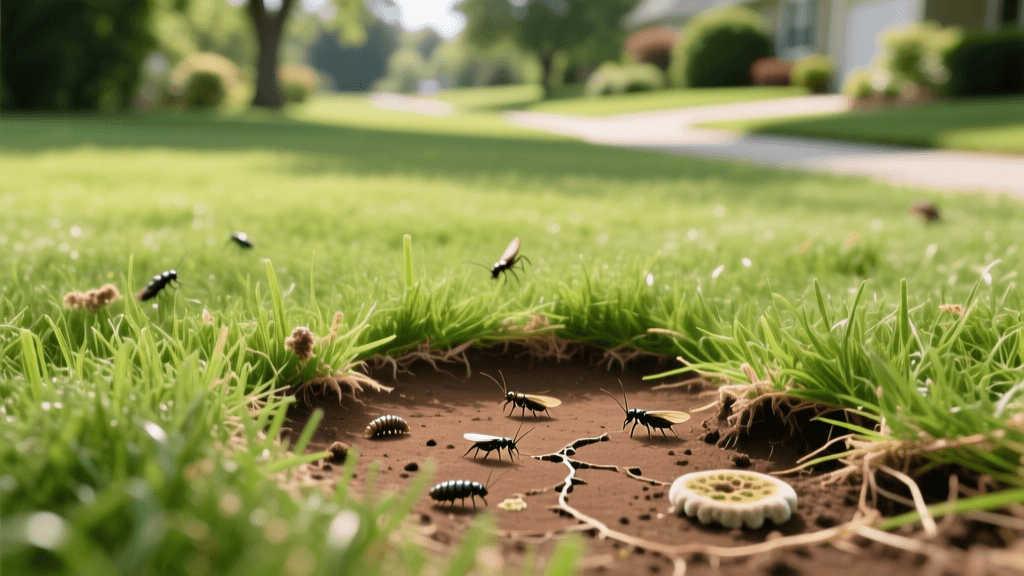
To master seasonal grub control, you must first understand the enemy's biological clock. Most common turf-destroying grubs follow a one-year (annual) life cycle. Adult beetles emerge from the soil in early summer, mate, and lay their eggs in the top few inches of your lawn's soil. By mid-to-late summer, these eggs hatch into young larvae. These early-instar grubs are small, ravenous, and highly susceptible to chemical and biological controls. As autumn approaches and soil temperatures drop, the grubs molt into larger, more resilient instars and migrate deeper into the soil profile to overwinter, safely below the frost line. In the spring, they migrate back to the root zone to feed briefly before pupating and emerging as adults, restarting the cycle. According to the Penn State Extension, recognizing these seasonal migration patterns is the cornerstone of any successful turfgrass management program.
Spring Maintenance: Assessment and Early Preparation
Spring is primarily a season for assessment and cultural preparation rather than heavy chemical intervention. As the soil warms and overwintering grubs return to the root zone, they feed for a few weeks before pupating. The damage they cause in spring is often minimal compared to late summer, but it is an excellent time to evaluate your lawn's health and plan your summer strategy. To assess your lawn's grub population, use a flat-edged shovel to cut a one-foot by one-foot square of sod, about three inches deep, and peel it back. Count the grubs in the soil and on the roots. The generally accepted IPM threshold for treatment is finding five to seven grubs per square foot in a healthy, well-maintained lawn, or slightly fewer in stressed turf. If you find populations exceeding this threshold, you know a summer preventative is non-negotiable. Spring is also the ideal time to address soil compaction through core aeration, which improves root depth and makes your grass more resilient to future root-feeding pests.
Summer Preventatives: The Core of Seasonal Care
Summer is the most critical window for seasonal grub control. The goal during June and July is to apply preventative insecticides that will be present in the root zone when the new generation of eggs hatches in August. The two most effective and widely available preventative active ingredients are Chlorantraniliprole and Imidacloprid. Chlorantraniliprole (commonly found in products like Scotts GrubEx) is highly favored in modern IPM programs because it is exceptionally safe for beneficial insects, earthworms, and pollinators. According to research highlighted by the Michigan State University Extension, Chlorantraniliprole should be applied earlier in the season, ideally between April and early June, as it takes several weeks to move through the thatch layer and into the soil. A standard 30-pound bag covers up to 10,000 square feet and typically costs between $25 and $35. Imidacloprid (found in products like Bayer Advanced 24 Hour Grub Killer Plus) acts slightly faster and can be applied from mid-June through July. Regardless of the chemical chosen, the golden rule of summer grub control is watering. You must apply 0.5 to 1 inch of irrigation immediately after application to wash the active ingredient off the grass blades and into the soil where the grubs live.
Fall Curatives: Rescuing Damaged Lawns
If you missed the summer preventative window, or if an unexpected beetle flight resulted in a heavy infestation, fall requires a curative approach. By late August and September, grubs are in their second or third instar. They are larger, eating aggressively, and causing visible brown patches in your lawn. Curative products must act quickly to stop the damage. Trichlorfon (often sold under the brand name Dylox) is the gold standard for fall curative grub control. It breaks down rapidly in the soil, usually within a few days, making it a targeted strike rather than a long-term residual. When applying Trichlorfon, precise timing and thorough watering are critical. Apply the granules to actively damaged areas and water them in immediately with at least 0.5 inches of water. Be aware that curative treatments in late fall (October or November) are largely ineffective, as the grubs have already stopped feeding and moved deep into the soil to hibernate.
Seasonal Grub Treatment Calendar
Use the following structured timeline to align your lawn care maintenance schedule with the biological vulnerabilities of white grubs:
| Season | Months | Grub Life Stage | Action Required | Recommended Active Ingredient |
|---|---|---|---|---|
| Spring | April - May | Overwintering Larvae / Pupae | Assessment, Aeration, Early Preventative | Chlorantraniliprole |
| Summer | June - July | Eggs / Early Instar Larvae | Preventative Application | Imidacloprid, Thiamethoxam |
| Fall | August - September | Late Instar Larvae | Curative Rescue Treatment | Trichlorfon, Carbaryl |
| Winter | November - March | Dormant Deep Soil Larvae | No Action (Dormancy) | N/A |
Integrating Cultural Practices for Long-Term Defense
Chemical controls are only one pillar of seasonal maintenance. Integrating cultural practices ensures your lawn can withstand pest pressure naturally. The University of California Statewide Integrated Pest Management Program emphasizes that proper irrigation and mowing heights drastically reduce turf susceptibility to grubs. Tall fescue and Kentucky bluegrass should be mowed at a minimum height of 2.5 to 3 inches during the heat of summer to promote deep, robust root systems that can tolerate minor grub feeding. Furthermore, avoiding excessive nitrogen fertilization in the spring prevents the rapid, succulent root growth that attracts egg-laying female beetles. For homeowners committed to strictly organic seasonal care, applying beneficial nematodes (specifically Heterorhabditis bacteriophora) in late summer can provide excellent biological control. These microscopic worms seek out and infect grubs, killing them within 48 hours. Nematodes must be applied in the early evening to avoid UV degradation and watered in immediately to ensure they penetrate the soil matrix.
Conclusion
Mastering seasonal grub control is an exercise in patience, observation, and precise timing. By shifting your focus from reactive panic to proactive seasonal maintenance, you protect not only the aesthetic beauty of your landscape but also the underlying soil ecosystem. Stick to the spring assessment, deploy summer preventatives like Chlorantraniliprole with adequate irrigation, and reserve fast-acting curatives like Trichlorfon for late-summer emergencies. With this seasonal timeline as your guide, your lawn will remain resilient, deeply rooted, and fiercely protected against the hidden threats lurking beneath the surface.