Pest Control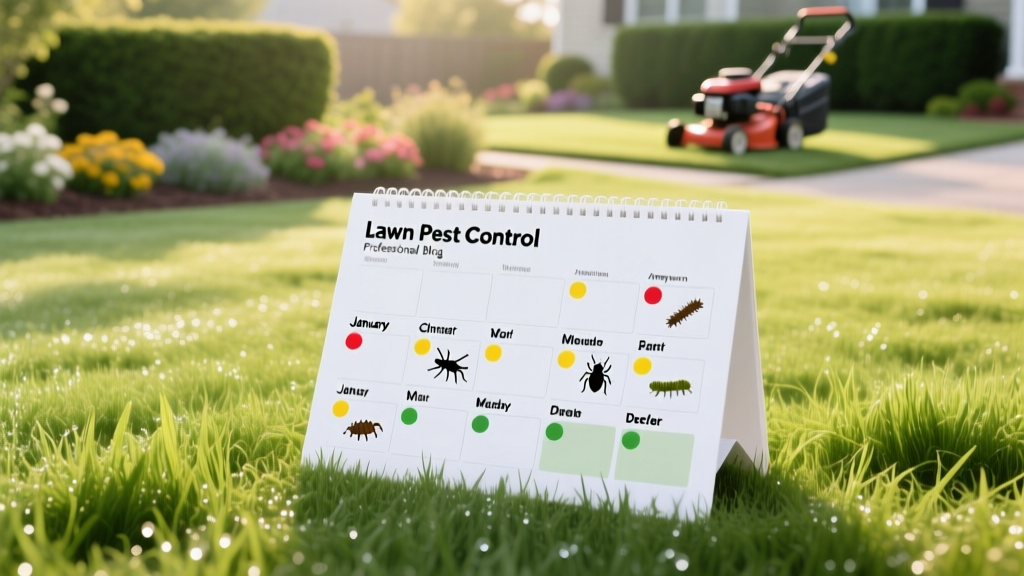
Seasonal Lawn Pest Control Checklist And Calendar
Mike RodriguezPublished
Why Timing is Everything in Lawn Pest Control
When it comes to maintaining a pristine, healthy lawn, reactive pest control is a losing battle. By the time you notice brown patches or wilting grass blades, the damage has already been done, and the pest population has likely exploded. This is where a proactive, schedule-based approach rooted in Integrated Pest Management (IPM) becomes essential. According to the Environmental Protection Agency (EPA), IPM focuses on long-term prevention through a combination of techniques such as biological control, habitat manipulation, and the careful use of chemical treatments only when necessary.
To help you stay ahead of turf-destroying insects, we have developed a comprehensive, month-by-month lawn pest control checklist. This calendar will guide you through soil temperature monitoring, preventative applications, and curative treatments for common threats like white grubs, chinch bugs, and armyworms. Keep this schedule handy to ensure your lawn remains resilient and pest-free all year long.
Spring Pest Control Checklist (March – May)
Spring is all about preparation and early intervention. As the soil thaws and grass begins to green up, overwintering pests become active, and the first generation of spring pests begins to feed.
1. Monitor Soil Temperatures
Pest life cycles are directly tied to soil temperature, not just the calendar date. Invest in a basic soil thermometer and check the temperature at a 2-inch depth.
- Early March (45°F - 50°F): Overwintering billbugs and early-season crane flies become active.
- Mid-April (55°F): Soil temperatures reach the threshold for crabgrass germination and early grub feeding near the root zone.
2. Early Spring Scouting and Lawn Assessment
Walk your lawn in early April. Look for irregular brown patches that failed to green up. This could indicate winter kill, fungal disease, or damage from late-fall grub feeding. Perform a 'tug test' on the grass; if it pulls up easily without roots and you see C-shaped white larvae in the top inch of soil, you have an active grub problem that requires immediate curative action.
3. Apply Nematodes for Biological Control
If you prefer organic methods, early to mid-spring is an excellent time to apply beneficial nematodes (specifically Heterorhabditis bacteriophora). These microscopic worms seek out and destroy grub larvae in the soil. Apply them in the early morning or late evening when UV light is low, and water them in immediately with at least 0.25 inches of water to wash them into the soil profile.
Summer Pest Control Checklist (June – August)
Summer is the peak season for the most destructive lawn pests. High temperatures and dry spells stress the grass, making it more susceptible to sap-sucking insects like chinch bugs, while the life cycles of beetles dictate a new generation of root-eating grubs.
1. Chinch Bug Management (June – July)
Southern chinch bugs thrive in hot, dry conditions and are notorious for killing St. Augustinegrass, Zoysia, and Centipedegrass. According to the University of Florida IFAS Extension, chinch bug damage often mimics drought stress, appearing as yellowing halos that rapidly turn brown and die.
- Scouting Method: Use the 'coffee can flush' test. Cut both ends off a metal can, push it into the soil at the edge of a damaged area, fill it with water, and wait 5 minutes. If 20 to 25 chinch bugs float to the surface, treatment is required.
- Treatment: Apply a liquid bifenthrin or lambda-cyhalothrin product directly to the affected areas and the surrounding 5-foot buffer zone. Water the lawn lightly before application to bring bugs closer to the surface, but do not water heavily immediately after spraying, as you want the insecticide to remain on the thatch and lower stems.
2. Grub Control: Preventative vs. Curative
White grubs (the larvae of Japanese beetles, June beetles, and European chafers) are the most widespread turf pests in North America. Managing them requires understanding the difference between preventative and curative products. For a deeper dive into grub life cycles and thresholds, consult the Clemson University Home & Garden Information Center.
| Active Ingredient | Product Type | Target Pest Stage | Application Window | Watering Requirement |
|---|---|---|---|---|
| Chlorantraniliprole (e.g., Scotts GrubEx, Acelepryn) | Preventative | Early instar larvae (hatching eggs) | April to June (Spring/Early Summer) | Water in with 0.5 inches of water |
| Imidacloprid (e.g., Bayer Advanced Grub Control) | Preventative | Early instar larvae | June to July (Early Summer) | Water in with 0.5 inches of water |
| Trichlorfon (e.g., Dylox, Bayer 24-Hour Grub Killer) | Curative | Active, older grubs (Late instar) | August to October (Late Summer/Fall) | Water in heavily (1 inch) to reach deep soil |
Pro Tip: Preventative products must be applied before the eggs hatch in mid-to-late summer. They degrade slowly in the soil, waiting for the young, vulnerable grubs to ingest the treated roots. Curative products like Trichlorfon are fast-acting contact poisons used when you actively find large, damaging grubs in your lawn during late summer or fall.
3. Armyworm and Sod Webworm Scouting (August)
Late summer brings surface-feeding caterpillars. Armyworms can devour an entire lawn in a matter of days, leaving behind a 'scorched earth' appearance. Look for flocks of birds aggressively pecking at your lawn or small, greenish-brown pellets (frass) on the soil surface. Treat with a Bt (Bacillus thuringiensis) spray for an organic option, or a pyrethroid-based insecticide for severe infestations.
Fall Pest Control Checklist (September – November)
Fall is a critical transition period. Your lawn is storing carbohydrates for the winter, and late-season pests can severely disrupt this process, leading to massive winter kill and a weak spring green-up.
1. Late-Season Curative Grub Treatment
If you missed the preventative window in early summer and notice irregular brown patches that roll back like loose carpet in September, you have a severe grub infestation. Apply a curative product containing Trichlorfon immediately. Because older grubs feed deeper in the soil profile, you must water the product in heavily—up to 1 inch of water—to carry the active ingredient down to the root zone where the grubs are hiding.
2. Clear Leaf Litter and Thatch
Pests and fungal pathogens love damp, dark environments. A thick layer of fallen leaves or an excessive thatch layer (greater than 0.5 inches) provides the perfect winter harbor for chinch bugs, tick populations, and turf diseases. Schedule a thorough leaf removal and consider core aeration or dethatching in early fall to improve soil oxygenation and reduce pest habitats.
3. Final Mowing Height Adjustment
Gradually lower your mowing height as the grass enters dormancy. Tall grass entering the winter months is highly susceptible to snow mold and provides excellent cover for rodents like voles, which will tunnel under the snow and girdle your grass crowns. Aim for a final cut of about 2 to 2.5 inches for cool-season grasses.
Winter Pest Control Checklist (December – February)
While your lawn is dormant, your pest management duties shift from the yard to the shed and the desk. Winter is the time for planning, maintenance, and education.
1. Equipment Maintenance
Clean out your broadcast spreader and pump sprayers. Leftover granular fertilizer or insecticide can corrode metal parts and clog mechanisms. Wash sprayers with a mild ammonia solution to neutralize any herbicide residues, ensuring you do not accidentally poison your lawn next spring when applying insecticides or liquid fertilizers.
2. Review and Record Keeping
Review the pest issues you faced over the past year. Did you have a severe chinch bug outbreak in July? Did grubs destroy your front yard in September? Document these events to adjust your schedule for the upcoming year. If you experienced a heavy grub year, you know you must prioritize an early preventative application of Chlorantraniliprole next May.
3. Order Biological Controls Early
Beneficial nematodes and predatory mites are live organisms that require specific shipping and storage conditions. They are often in high demand and can sell out by mid-spring. Use the winter months to research reputable suppliers and pre-order your biological controls so they arrive exactly when soil temperatures are optimal for application.
Integrated Pest Management (IPM) Best Practices
Following a strict calendar is highly effective, but it should always be paired with the core tenets of IPM. Never apply chemical treatments 'just in case.' Always scout your lawn, verify the presence of the pest, and assess whether the population has reached an economic or aesthetic damage threshold before reaching for the sprayer.
Furthermore, remember that a thick, deeply rooted lawn is your best defense against pests. Proper mowing (never removing more than one-third of the grass blade at a time), deep and infrequent watering (1 to 1.5 inches per week), and soil-test-driven fertilization create an environment where turfgrass can naturally outcompete and recover from minor pest pressure. By combining this seasonal checklist with sound cultural practices, you will cultivate a vibrant, resilient lawn that stands strong against whatever pests the seasons bring.