Gardening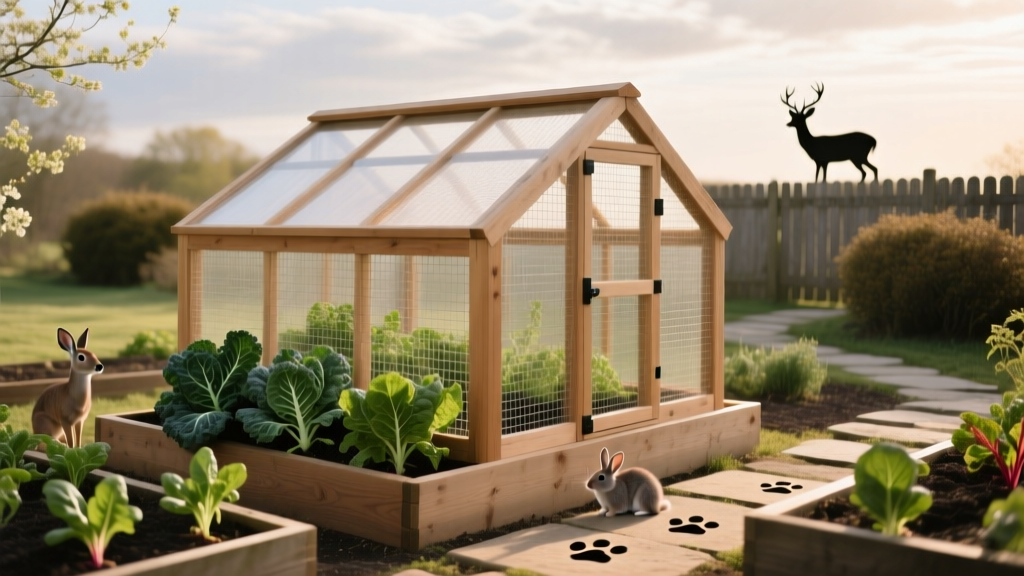
Wildlife-Proof Cold Frames for Spring & Fall 2026
Mike RodriguezPublished
The 2026 Reality: Season Extension Meets Wildlife Pressure
As we navigate the unpredictable climate patterns of 2026, home gardeners are increasingly relying on season extension techniques to guarantee a reliable harvest. Cold frames have long been the cornerstone of spring and fall gardening, providing a protected microclimate that shields tender seedlings from late frosts and keeps autumn crops producing well into winter. However, extending your growing season also means providing a warm, lush oasis precisely when natural forage is scarce. For yard animals, a cold frame is not just a garden structure; it is a glowing beacon of food and shelter.
Integrating wildlife management into your cold frame strategy is no longer optional. With suburban wildlife populations adapting closely to human habitats, gardeners must build structures that serve a dual purpose: trapping solar heat while actively deterring hungry herbivores and opportunistic omnivores. This comprehensive guide will walk you through the best practices for designing, building, and securing wildlife-proof cold frames for the 2026 spring and fall seasons.
Why Yard Animals Target Cold Frames
To effectively protect your crops, you must first understand the motivations of local wildlife. In the early spring, natural vegetation is just beginning to emerge. Herbivores such as rabbits, deer, and groundhogs are emerging from winter with depleted fat reserves and a desperate need for fresh, nutrient-dense greens. A cold frame full of thriving spinach, lettuce, and radishes is an irresistible target.
In the fall, the pressure shifts. As temperatures drop, rodents like voles and mice seek out warm environments to build winter nests and store stolen harvests. Raccoons and skunks may dig around the base of the frames looking for grubs and overwintering insects, inadvertently undermining the structural integrity of your garden beds. Furthermore, birds will target any small gaps left for ventilation, pecking at tender seedlings and contaminating the soil. According to the National Wildlife Federation, managing backyard habitats requires a balance of providing for beneficial species while establishing firm, physical boundaries around vulnerable agricultural spaces.
Choosing Wildlife-Resistant Cold Frame Materials
The materials you choose in 2026 dictate both the thermal efficiency and the structural resilience of your cold frame. Traditional glass is heavy and easily shattered by a leaping deer or a falling branch. Standard plastic sheeting offers zero resistance to chewing rodents or scratching raccoons. Today, the industry standard revolves around advanced polycarbonates and reinforced metals.
| Material | Insulation Rating (R-Value) | Wildlife Durability | 2026 Avg Cost (per sq ft) |
|---|---|---|---|
| 8mm Twin-Wall Polycarbonate | 1.6 - 1.8 | High (Impact & Chew Resistant) | $3.25 - $4.00 |
| Tempered Glass (Single Pane) | 0.9 | Low (Shatters under hoof impact) | $6.50 - $8.00 |
| 1/2 Inch Galvanized Hardware Cloth | N/A (Base Protection) | Very High (Blocks rodents) | $1.25 per linear ft |
| Cedar / Rot-Resistant Timber | 1.4 per inch | Medium (Requires metal corner guards) | $4.50 per linear ft |
For the lid, 8mm twin-wall polycarbonate is the undisputed champion for 2026. It diffuses sunlight beautifully, preventing plant scorch, and can withstand the weight of a deer stepping on it or heavy snow loads. For the base walls, rot-resistant cedar or composite lumber is ideal, but it must be reinforced to prevent chewing and digging.
Step-by-Step: Fortifying Your Cold Frame Base
The most common point of failure in wildlife management is the perimeter base. Animals will rarely attack a reinforced wall head-on; instead, they will dig underneath it. To prevent voles, mice, and rabbits from tunneling into your cold frame, you must install a subterranean barrier.
- The Hardware Cloth Apron: Before adding soil to your cold frame, line the bottom with 1/4-inch or 1/2-inch galvanized steel hardware cloth. Extend this mesh at least 12 inches outward from the exterior base, laying it flat just beneath the topsoil or mulch. This 'apron' prevents animals from digging directly next to the wall, as they will hit the wire mesh and typically abandon the effort.
- Corner Brackets: Raccoons and groundhogs possess immense physical strength and can pry apart poorly joined wooden corners. Use heavy-duty, powder-coated steel corner brackets with carriage bolts rather than standard wood screws to lock the frame walls together.
- Elevated Designs: If deer are a primary concern in your yard, consider elevating the cold frame base to 30 inches. While deer can easily jump higher, they are hesitant to jump onto a solid, unfamiliar structure where they cannot see a clear landing zone or escape route.
Securing the Lid: Outsmarting Raccoons and Birds
A cold frame lid that is not securely fastened is essentially an invitation to local wildlife. Raccoons are notorious for their dexterity and can easily flip open lightweight lids or unhook simple latch mechanisms. Birds will slip through gaps as small as an inch to feast on your spring seedlings.
To secure the lid, utilize dual-action spring clips or carabiner-style latches that require opposable-thumb-level manipulation to open. Attach heavy-duty hinges to the back of the frame, and ensure the front latch requires a two-step release process. Additionally, apply a strip of dense foam weatherstripping along the interior lip where the lid meets the base. This not only improves thermal retention by stopping drafts but also eliminates the small gaps that mice and birds use to infiltrate the structure.
Managing Ventilation Without Compromising Security
Proper ventilation is critical to prevent your cold frame from turning into an oven on a sunny spring afternoon. The Old Farmer's Almanac recommends angling the lid and utilizing automatic vent openers to regulate temperature. However, an open lid is a massive vulnerability.
In 2026, the best solution is to integrate solar-powered, wax-cylinder automatic vent arms paired with a secondary interior mesh screen. When the wax expands in the heat, it pushes the lid open. By installing a framed panel of 1/2-inch hardware cloth or heavy-duty bird netting just inside the opening gap, you allow hot air to escape while physically blocking birds, squirrels, and insects from entering. Always ensure that the venting mechanism is shielded from direct access by climbing rodents.
Perimeter Defense and Companion Planting
Physical barriers are your first line of defense, but strategic landscaping can act as a powerful secondary deterrent. Wildlife relies heavily on scent and cover when approaching a food source. By manipulating the environment immediately surrounding your cold frame, you can make the area highly unappealing to foraging animals.
Plant a perimeter border of strong-smelling alliums, such as garlic, chives, and ornamental onions. The pungent sulfur compounds mask the scent of the tender greens inside the cold frame, confusing the olfactory senses of rabbits and deer. Additionally, keep the area within a five-foot radius of the cold frame completely clear of tall grasses, brush piles, and leaf litter. Removing this cover exposes approaching animals to predators, making them feel vulnerable and significantly reducing the likelihood of an attack.
Seasonal Maintenance: Spring Thaw and Autumn Prep
Wildlife pressure fluctuates with the seasons, and your management strategies must adapt accordingly. According to research on season extension techniques published by the Oregon State University Extension, maintaining the structural integrity of your microclimate tools is just as important as managing the soil within them.
Spring Thaw: As the ground softens in early spring, inspect the hardware cloth apron for frost heave. Re-bury any exposed edges and check the wooden base for signs of winter rot or rodent chewing. Reapply organic, pet-safe scent deterrents around the perimeter, as spring rains will wash away previous applications just when hungry herbivores are most active.
Autumn Prep: In the fall, the focus shifts to rodent exclusion. Mice are looking for warm places to nest. Ensure all weatherstripping is intact and replace any torn ventilation screens. Clear away fallen autumn leaves and debris from the lid and base, as these provide both insulation for pests and a ladder for climbing animals to access the roof of the structure.
Conclusion
Successfully extending your growing season in 2026 requires more than just trapping heat; it requires a proactive approach to wildlife management. By investing in twin-wall polycarbonate, installing subterranean hardware cloth aprons, utilizing complex latching mechanisms, and employing strategic companion planting, you can create a cold frame that is as resilient as it is productive. Protect your investment, respect the local ecosystem, and enjoy a bountiful, uninterrupted harvest from early spring straight through the late fall frost.
