Gardening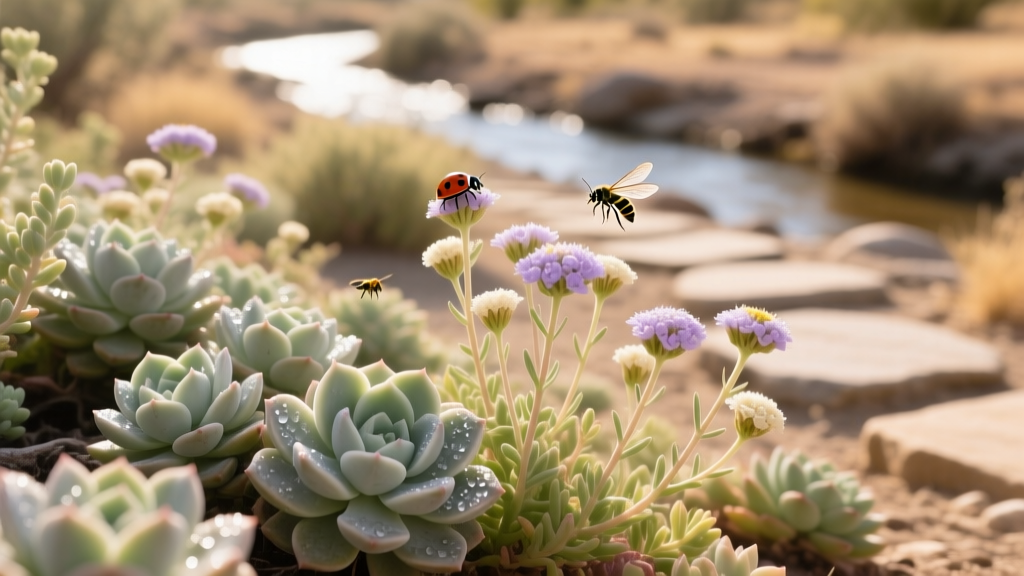
Drought-Tolerant Sedum & Yarrow Gardens for Bio-Control in 2026
Anna KowalskiPublished
The 2026 Shift Toward Xeriscaping and Bio-Control
As municipal water restrictions become increasingly stringent across North America in 2026, home gardeners are rapidly pivoting toward drought-tolerant landscaping. However, a common misconception is that xeriscaping requires sacrificing garden ecology and natural pest management. The truth is quite the opposite. By strategically pairing drought-resistant perennials like Sedum (Stonecrop) and Yarrow (Achillea), you can create a resilient, low-water landscape that doubles as a powerhouse bio-control hub. This approach eliminates the need for synthetic pesticides, which are facing heavier regulatory scrutiny and retail phase-outs in 2026, while fostering a thriving ecosystem of beneficial insects.
In this comprehensive guide, we will explore how a sedum and yarrow garden functions as a natural pest-control engine, the specific beneficial insects these plants attract, and actionable steps to design, plant, and maintain your drought-tolerant bio-control sanctuary this year.
Why Sedum and Yarrow Are the Ultimate Bio-Control Duo
Both Sedum and Yarrow are celebrated for their extreme drought tolerance, thanks to specialized water-storage tissues and deep, sprawling root systems. But their true value in a bio-control garden lies in their floral architecture and extended bloom times.
Yarrow (Achillea millefolium and cultivars)
Yarrow produces large, flat-topped flower clusters known as corymbs. These broad, accessible landing pads are perfectly engineered for beneficial insects with short mouthparts. While deep, tubular flowers only accommodate long-tongued bees and butterflies, yarrow's shallow nectaries provide vital carbohydrates to parasitic wasps, hoverflies, and lady beetles. In 2026, top-performing drought-tolerant cultivars include 'Moonshine' (vibrant yellow) and 'Sassy Summer Saffron' (warm orange), both of which thrive on neglect and bloom from early summer through early autumn.
Sedum (Hylotelephium and Sedum species)
Sedums, particularly the upright autumn-blooming varieties, offer dense, star-shaped flower heads that act as late-season nectar and pollen refuges. When other garden plants have faded and dried up during late-summer droughts, Sedum 'Autumn Joy' and the striking, powdery-blue Sedum 'Thundercloud' are just hitting their peak. This late-season energy boost is critical for beneficial insects preparing for overwintering or completing their final reproductive cycles before frost. Furthermore, the succulent foliage of creeping sedums provides cool, humid microclimates at the soil line where predatory ground beetles hide during the heat of the day.
The Beneficial Insect Roster: Who Shows Up?
When you replace thirsty, pest-prone annuals with a perennial matrix of sedum and yarrow, you invite a specialized roster of predatory and parasitic insects to your yard. These insects act as your unpaid, round-the-clock pest management team.
| Beneficial Insect | Pests Controlled | Preferred Plant | Attraction Mechanism |
|---|---|---|---|
| Syrphid Flies (Hoverflies) | Aphids, Thrips, Scale | Yarrow | Flat corymbs mimic the umbel shapes they naturally seek for pollen. |
| Parasitic Wasps (Trichogramma) | Caterpillars, Borers, Worms | Yarrow & Sedum | Shallow nectaries accommodate their extremely short mouthparts. |
| Lady Beetles (Ladybugs) | Aphids, Mites, Whiteflies | Sedum (Foliage) | Dense, succulent canopy provides humid daytime shelter and hunting grounds. |
| Green Lacewings | Aphids, Mealybugs, Leafhoppers | Yarrow | Nectar-rich pollen sources support adult lacewings, who then lay eggs near pest colonies. |
| Tachinid Flies | Squash Bugs, Beetles, Caterpillars | Sedum | Late-season nectar from upright sedums fuels adult flies in late summer. |
Designing Your 2026 Drought-Tolerant Bio-Control Garden
Creating a successful xeriscape bio-control garden requires careful planning, particularly regarding soil preparation and spatial arrangement. Follow these steps to ensure your plants establish quickly and begin attracting beneficial insects in their first year.
1. Soil Preparation and Amendment
Counterintuitively, the biggest mistake gardeners make with sedum and yarrow is over-enriching the soil. Heavy, nitrogen-rich soils cause yarrow to flop over and produce excessive foliage at the expense of flowers, while sedums will develop weak, rot-prone stems. For 2026 plantings, focus entirely on drainage. If you have heavy clay, amend the planting zone with a 50/50 mix of native soil and coarse horticultural grit or expanded shale. Avoid synthetic fertilizers; instead, top-dress lightly with a low-nitrogen, slow-release organic compost, such as Coast of Maine Shrimp Compost, which improves soil biology without triggering rampant, weak growth.
2. Strategic Spacing and Layering
To maximize bio-control efficiency, plant in drifts rather than isolated single specimens. Beneficial insects are highly visual and are drawn to large blocks of color. Group yarrow in clusters of three to five plants, spaced 18 to 24 inches apart, to create continuous landing zones. Use upright sedums as structural anchor points at the back of the border, and deploy creeping sedums (like Sedum spurium 'Dragon's Blood') as a living mulch around the base of the yarrows. This living mulch shades the soil, drastically reducing evaporation and suppressing weeds without the need for water-thirsty groundcovers.
3. Smart Irrigation for Establishment
While mature sedum and yarrow are fiercely drought-tolerant, they require consistent moisture during their first 90 days to establish deep root systems. In 2026, utilize smart drip irrigation systems equipped with soil moisture sensors, such as the Netafim Techline CV drip lines paired with a Rachio 3 smart controller. Set the controller to deliver deep, infrequent soakings (e.g., 1 gallon per plant twice a week) rather than daily shallow sprinklings. Once the plants show signs of vigorous new growth and the roots have anchored into the native soil, you can disconnect the drip lines and rely entirely on natural rainfall, even during peak summer heat waves.
Seasonal Maintenance for Maximum Bio-Control
The maintenance philosophy for a bio-control xeriscape is radically different from a traditional ornamental garden. The goal is to disturb the ecosystem as little as possible, providing year-round habitat for your predatory insects.
Spring: The Gentle Cleanup
Delay your spring garden cleanup until daytime temperatures consistently exceed 50°F (10°C). Many beneficial insects, including native bees and predatory beetles, overwinter in the hollow stems of yarrow and the dried flower heads of sedum. When you do cut back the previous year's growth, chop the stems into 6-inch pieces and leave them loosely piled in a hidden corner of the garden rather than bagging them for municipal yard waste. This allows any late-emerging insects to find their way back into the garden ecosystem.
Summer: Pest Observation, Not Eradication
If you notice an aphid infestation on your yarrow stems in early summer, resist the urge to spray—even with organic insecticidal soaps. A small aphid population is necessary to keep your lady beetles and hoverfly larvae in the garden. If you eradicate all pests, the beneficial insects will starve or fly away to find food elsewhere. Trust the bio-control process; within 7 to 14 days, you will notice a surge in predatory insect activity that will naturally bring the aphid population back to a manageable baseline.
Autumn: Leaving the Architecture
Never cut back sedum in the fall. The dried, rust-colored flower heads provide crucial late-season foraging for migrating butterflies and winter birds, while the sturdy stems offer vital overwintering real estate for bio-control agents. The structural beauty of frost-covered sedum and yarrow seed heads also adds immense visual interest to the winter xeriscape.
Conclusion
Building a drought-tolerant garden with sedum and yarrow in 2026 is one of the most impactful choices a home gardener can make. By embracing these resilient perennials, you dramatically reduce your outdoor water consumption, eliminate the need for disruptive chemical pesticides, and cultivate a vibrant, self-regulating ecosystem. The flat-topped blooms of yarrow and the late-season nectar of sedum serve as a beacon for beneficial insects, transforming your landscape into a natural fortress against garden pests. Start planning your xeriscape bio-control garden today, and watch as nature does the heavy lifting for you.
Authoritative Resources
For further research on integrating beneficial insects into low-water landscapes, we highly recommend consulting the Xerces Society Pollinator Conservation Hub, which offers extensive, science-backed guidelines on habitat creation. For detailed botanical profiles, pest resistance data, and regional growing zones for yarrow, the NC State Extension Plant Toolbox remains an invaluable, up-to-date resource. Additionally, the University of Minnesota Extension provides excellent regional guides on identifying and conserving predatory insects in home gardens.
