Gardening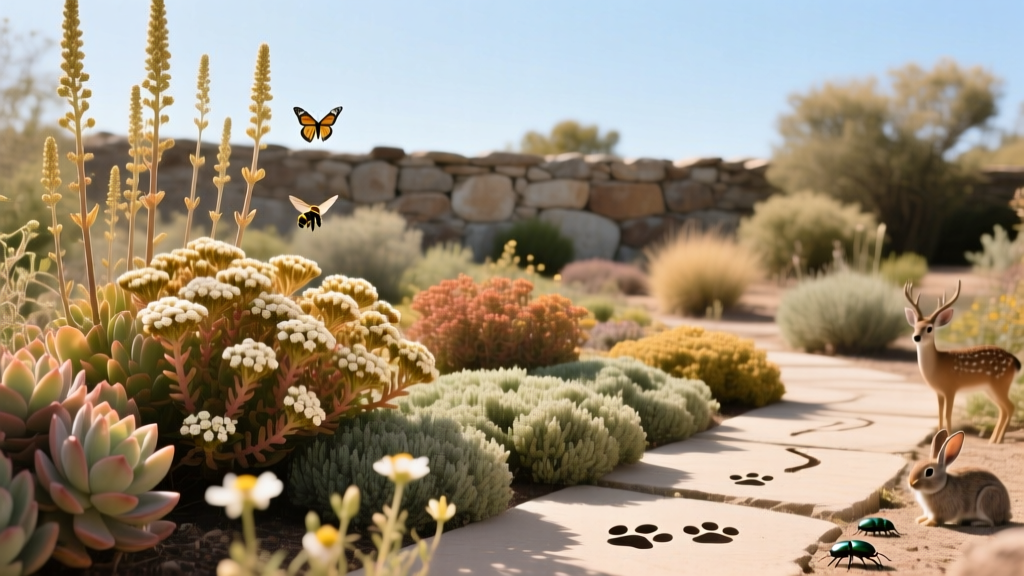
2026 Drought-Tolerant Sedum & Yarrow Wildlife Garden Guide
James MillerPublished
The 2026 Climate Reality: Why Drought-Tolerant Wildlife Gardens Matter
As we navigate the shifting climate patterns of 2026, prolonged summer dry spells and stricter municipal water restrictions have made drought-tolerant landscaping an absolute necessity for homeowners. However, water conservation does not mean you must sacrifice a vibrant, wildlife-friendly yard. By strategically combining sedum (Stonecrop) and yarrow (Achillea millefolium), you can cultivate a resilient, low-water garden that serves as a haven for beneficial pollinators while acting as a natural fortress against nuisance yard animals like deer, rabbits, and voles.
Managing wildlife in your yard is a delicate balance. You want to invite butterflies, native bees, and predatory insects that keep pests in check, while simultaneously deterring herbivores that can decimate a traditional flower bed in a single night. This comprehensive guide explores how to leverage the unique biological traits of sedum and yarrow to achieve perfect harmony in your 2026 garden.
Why Sedum and Yarrow for Wildlife Management?
Sedum and yarrow are the undisputed heavyweights of the xeriscape world, but their value extends far beyond their ability to survive without frequent watering. Their botanical defenses and floral structures make them ideal tools for targeted wildlife management.
Yarrow (Achillea millefolium): The Aromatic Deterrent
Yarrow is renowned for its fern-like, highly aromatic foliage. This distinct scent is caused by volatile oils and compounds like achilleine, which are highly unpalatable to browsing mammals. According to the Rutgers University Landscape Plants Deer Resistance database, yarrow is consistently rated as highly deer and rabbit resistant. While mammals avoid the foliage, the flat-topped flower clusters (corymbs) are irresistible to beneficial predatory insects, such as parasitic wasps, ladybugs, and hoverflies, which prey on garden-destroying aphids and caterpillars.
Sedum (Hylotelephium & Sedum spp.): The Succulent Shield
Sedums store water in their thick, fleshy leaves, which are coated in a waxy cuticle. This rubbery texture and slightly astringent taste make them highly unappealing to deer and rabbits. Furthermore, late-blooming sedum varieties provide a critical, nectar-rich food source for migrating butterflies and late-season foraging bees when most other garden flowers have faded. The Xerces Society for Invertebrate Conservation frequently highlights late-season succulents as vital components for sustaining native pollinator populations through early autumn.
Designing Your 2026 Drought-Tolerant Habitat
To maximize both drought survival and wildlife management, proper soil preparation and garden layout are critical. Nuisance animals like voles and groundhogs are attracted to soft, heavily mulched, and moisture-retentive soils. By designing a lean, well-draining environment, you naturally discourage burrowing pests.
Soil Preparation and Amendment
Both sedum and yarrow despise 'wet feet.' In 2026, the best practice for heavy clay soils is to avoid organic compost, which retains moisture and attracts digging animals. Instead, amend your native soil with inorganic materials to improve drainage.
- Expanded Shale or Pumice: Mix 30% expanded shale or pumice into the top 12 inches of your native soil. This creates air pockets that promote rapid drainage and makes the soil physically difficult for voles to tunnel through.
- Gravel Mulch: Replace traditional wood bark mulch with a 2-inch layer of 3/8-inch crushed granite or pea gravel. Wood mulch harbors slugs, retains excess moisture, and provides cover for rodents. Gravel reflects heat, deters weeds, and creates an abrasive surface that mammals dislike walking and nesting on.
Planting Layout for Wildlife Corridors
Group your plants in 'drifts' or clusters of three to five. This not only mimics natural habitats, making it easier for pollinators to spot the flowers from above, but it also creates a dense root mat that further discourages burrowing animals. Leave 18 to 24 inches of space between yarrow plants to allow for air circulation, which prevents powdery mildew during humid late-summer nights.
Plant Varieties and Wildlife Impact Matrix
Choosing the right cultivars is essential for targeting specific wildlife interactions. Below is a comparison chart of top-performing sedum and yarrow varieties for 2026, detailing their drought tolerance and specific wildlife management benefits.
| Plant Variety | Drought Tolerance | Beneficial Wildlife Attracted | Nuisance Animal Resistance |
|---|---|---|---|
| Hylotelephium 'Herbstfreude' (Autumn Joy) | Very High | Late-season bees, migrating butterflies | Highly Deer & Rabbit Resistant |
| Sedum rupestre 'Angelina' | Extreme | Ground beetles, solitary bees | Rabbit Resistant, Deters Voles |
| Achillea millefolium 'Strawberry Seduction' | High | Parasitic wasps, ladybugs, hoverflies | Highly Deer Resistant |
| Achillea 'Moonshine' | High | Predatory insects, native bees | Highly Deer & Rabbit Resistant |
| Sedum spectabile 'Brilliant' | Very High | Monarch butterflies, honeybees | Moderate to High Deer Resistance |
Attracting the Good: Pollinators and Predators
A successful wildlife management strategy relies on biological control—using nature to manage pests. Yarrow is a superstar in this regard. The University of Minnesota Extension notes that yarrow's tiny, tightly packed flowers are perfectly shaped for the short mouthparts of beneficial predatory insects. By planting yarrow, you are essentially setting up a permanent barracks for biological pest control agents that will patrol your garden and consume aphids, thrips, and mites.
Sedum, particularly the taller 'Autumn Joy' and 'Brilliant' varieties, blooms from late August well into October. During this time, native bee populations are desperately seeking carbohydrates to build winter reserves. By providing this late-season nectar, you support the local ecosystem, ensuring robust pollinator numbers for your spring vegetable and flower gardens the following year.
Deterring the Bad: Managing Herbivores and Burrowers
Even in severe 2026 drought conditions, when natural forage is scarce, deer and rabbits will test garden plants. However, the chemical and physical defenses of sedum and yarrow usually hold strong.
Deer and Rabbit Deterrence
The strong, bitter taste of yarrow's foliage acts as a natural repellent. In fact, many gardeners plant a perimeter border of yarrow to mask the scent of more vulnerable plants located deeper in the garden. Sedum's waxy leaves are equally unappetizing. If you live in an area with extreme deer pressure, consider interplanting your sedum and yarrow with Allium (ornamental onions). The sulfur compounds in Allium create an olfactory shield that confuses and repels deer, protecting the entire bed.
Vole and Mole Management
Voles can destroy a garden by eating plant roots from below the surface. Because sedum and yarrow prefer dry, rocky, or sandy soils, they are naturally suited to environments that voles dislike. By utilizing the crushed gravel mulch and expanded shale soil amendments mentioned earlier, you create a physical barrier. The sharp edges of the crushed granite irritate the soft undersides of voles, encouraging them to relocate to softer, more hospitable areas outside your property line.
Watering Schedules: Establishment vs. Established Drought Care
A common misconception is that 'drought-tolerant' means 'no water ever.' In their first year, sedum and yarrow require strategic watering to establish deep root systems that will sustain them through future dry spells.
- Month 1-3 (Establishment): Water deeply once a week, providing about 1 inch of water. This encourages roots to grow downward in search of moisture, rather than staying near the surface where they are vulnerable to heat and surface-foraging animals.
- Year 2 and Beyond (Drought Maintenance): Water only during extreme, prolonged heat waves (over 95°F for multiple weeks). When you do water, use a soaker hose placed beneath the gravel mulch. This delivers water directly to the roots without wetting the foliage, which deters fungal diseases and prevents creating muddy surface patches that attract digging animals.
Companion Planting for Enhanced Wildlife Management
To elevate your garden's ecological function, pair your sedum and yarrow with other drought-tolerant, wildlife-managing companions:
- Lavender (Lavandula angustifolia): Shares the same soil and water requirements. The intense fragrance deters deer and rabbits while drawing in massive numbers of bees.
- Agastache (Hummingbird Mint): Provides vertical structure and tubular flowers that attract hummingbirds, which also consume vast quantities of soft-bodied garden insects.
- Creeping Thyme (Thymus serpyllum): An excellent groundcover to plant between larger sedum mats. It handles foot traffic, suppresses weeds, and its strong scent masks the presence of more palatable plants nearby.
Conclusion
Designing a drought-tolerant garden in 2026 is no longer just about saving water; it is about creating a resilient, ecologically balanced landscape. By utilizing the natural defenses and ecological benefits of sedum and yarrow, you can cultivate a stunning outdoor space that thrives in the heat, supports vital pollinator populations, and naturally repels nuisance wildlife. With proper soil preparation, inorganic mulching, and strategic companion planting, your garden will remain a vibrant, low-maintenance sanctuary for years to come.
