Gardening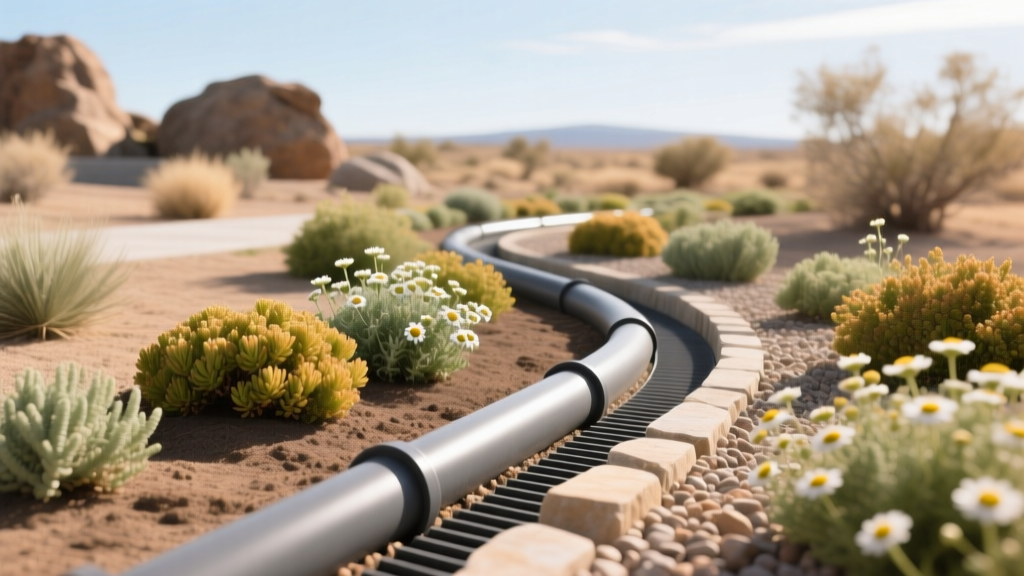
2026 Guide: Drainage Pipes For Sedum & Yarrow Xeriscape Gardens
Anna KowalskiPublished
The Xeriscape Paradox: Why Drought-Tolerant Plants Need Drainage Pipes
As we navigate the shifting climate patterns of 2026, homeowners are increasingly turning to xeriscaping to conserve water and reduce landscape maintenance. Drought-tolerant flower gardens, particularly those featuring hardy staples like sedum and yarrow, have become the cornerstone of modern water-wise design. However, a common and fatal mistake in xeriscape installation is assuming that drought-tolerant plants can handle extreme weather fluctuations without intervention. The reality is that while sedum and yarrow thrive in arid conditions, they are highly susceptible to crown and root rot when subjected to the intense, sudden downpours that characterize 2026 spring and late-summer storm systems.
This is where the strategic integration of landscape drainage pipes becomes essential. According to the Colorado State University Extension, proper soil drainage is the single most critical factor in xeriscape plant survival. By installing subsurface landscape drainage pipes beneath and around your garden beds, you create a passive evacuation system that protects your investment from waterlogging, ensuring your sedum and yarrow remain vibrant and healthy year-round.
Understanding Sedum and Yarrow Hydrology
To understand why drainage infrastructure is non-negotiable, we must look at the root systems of our chosen plants. Sedum (Stonecrop) features shallow, succulent root networks designed to quickly absorb surface moisture during brief rain events. When soil remains saturated for more than 48 hours, these roots suffocate, leading to rapid fungal infections. The Clemson University Home & Garden Information Center emphasizes that sedum requires exceptionally well-drained, gritty soil to prevent winter and spring rot.
Yarrow (Achillea millefolium) possesses a deeper, rhizomatous root system that excels at breaking up compacted soil and surviving prolonged droughts. However, yarrow is equally intolerant of wet feet. In heavy clay soils, yarrow will quickly develop powdery mildew and basal stem rot if excess water is not wicked away from the crown. Combining these two plants creates a stunning, textured, and pollinator-friendly garden, but only if the underlying hydrology is aggressively managed with perforated drainage pipes.
Selecting the Best Landscape Drainage Pipe in 2026
The market for landscape drainage solutions has evolved significantly. In 2026, homeowners have access to advanced, clog-resistant piping systems that require minimal maintenance. When designing a drainage network for a xeriscape bed, you must choose between traditional corrugated pipes, rigid PVC, and modern pipeless gravel systems.
| Pipe Type | Best Use Case | 2026 Avg. Cost (per ft) | Pros & Cons |
|---|---|---|---|
| Corrugated Perforated (with Sock) | Curved beds, French drains | $1.20 - $1.80 | Flexible and cheap; prone to crushing under heavy foot traffic. |
| Schedule 40 PVC (Perforated) | Straight runs, high-traffic edges | $2.50 - $3.75 | Extremely durable and rigid; harder to cut and install on curves. |
| EZ-Flow Pipeless System | Shallow xeriscape trenches | $4.00 - $5.50 | No pipe to clog, uses engineered aggregate; higher upfront material cost. |
For most residential sedum and yarrow gardens, corrugated perforated pipe wrapped in a geotextile sock is the most practical choice. The sock prevents fine clay particles and xeriscape mulch from entering the pipe and causing blockages over time.
Step-by-Step Drainage Pipe Installation for Xeriscape Beds
Integrating drainage pipes into a new or existing flower bed requires careful planning to ensure water moves away from the plant crowns and toward a designated discharge area, such as a dry well or a daylighted curb.
1. Mapping and Trenching
Identify the natural low points in your garden where water pools after a storm. Dig a trench roughly 12 inches deep and 10 inches wide, ensuring it follows a continuous downward slope. The industry standard for drainage slope is a 1/8-inch drop per linear foot. Use a string line and a line level to verify your grade before proceeding.
2. Lining and Base Gravel
Line the trench with a high-quality, permeable landscape fabric. This acts as a secondary barrier against soil infiltration. Add a 2-inch base layer of 3/4-inch washed drain gravel. This base provides a stable foundation and allows water to seep into the pipe from below.
3. Pipe Placement and Connection
Lay your perforated corrugated pipe in the trench with the perforations facing downward. This counterintuitive placement actually improves efficiency; water rises in the gravel bed and enters the bottom holes, keeping the top of the pipe clear of sediment. Connect the pipe to a solid (non-perforated) outlet pipe for the final 10 feet leading to your discharge point to prevent water from dumping back into the soil near your foundation.
4. Backfilling with Xeriscape Matrix
Cover the pipe with another 3 to 4 inches of washed drain gravel, then fold the landscape fabric over the top to create a gravel burrito. This prevents the topsoil from washing down into the drainage aggregate. Finally, backfill the remaining trench depth with your specialized xeriscape soil mix.
The Perfect Soil Matrix for Sedum and Yarrow
Even with a landscape drainage pipe in place, the soil immediately surrounding your sedum and yarrow must be optimized for rapid infiltration. Native clay soils will bottleneck water, preventing it from reaching the pipe below. The EPA WaterSense program recommends amending native soils to improve water-wise landscaping outcomes.
For a 2026 drought-tolerant garden, mix your backfill using the following ratio:
- 40% Native Topsoil: Provides essential micronutrients and local microbial life.
- 30% Coarse Builder's Sand: Creates large pore spaces for immediate water percolation.
- 20% Expanded Shale or Pumice: Keeps the soil structure permanently friable and prevents compaction over time.
- 10% Finished Compost: Offers slow-release organic matter without retaining excessive moisture like peat moss.
When planting your sedum and yarrow, ensure the crown of the plant sits slightly above the surrounding soil grade. This mounding technique encourages surface runoff away from the vulnerable stem base and down toward the drainage pipe trench.
Mulching Strategies for Xeriscape Drainage
Never use shredded hardwood bark or pine straw in a sedum and yarrow garden. These organic mulches act like sponges, retaining moisture against the plant crowns and defeating the purpose of your subsurface drainage pipe. Instead, use a 2-inch layer of inorganic mulch, such as crushed pea gravel, decomposed granite, or river rock. Inorganic mulches allow rain to pass through instantly to the soil and drainage pipe below while reflecting sunlight to keep the root zone cool during peak summer heat.
Designing the Layout: Spacing and Airflow
Proper drainage is not just about what happens underground; it is also about surface evaporation. When designing your 2026 sedum and yarrow garden, spacing is critical. Yarrow cultivars like Moonshine or Strawberry Seduction require at least 18 to 24 inches of spacing between plants to ensure adequate airflow. This airflow acts as a natural, above-ground drainage mechanism, rapidly drying the foliage after morning dew or light rain and preventing fungal pathogens from taking hold. Sedum varieties, such as Autumn Joy or Dragon's Blood, can be planted slightly closer (12 to 15 inches apart) to form a dense, weed-suppressing mat, but they still require the gravel mulch and subsurface pipe system to manage heavy seasonal deluges. By pairing correct spatial arrangement with your corrugated drainage network, you create a holistic microclimate that mimics the arid, well-drained alpine environments these plants naturally prefer.
2026 Smart Monitoring and Maintenance
Maintaining your landscape drainage pipe is vital for long-term xeriscape success. In 2026, smart garden technology makes this easier than ever. Consider installing wireless soil moisture sensors at varying depths within your sedum and yarrow beds. These modern probes connect to your smartphone, alerting you if the soil remains saturated for more than 24 hours after a rain event—a clear indicator that your drainage pipe may be clogged or that the gravel envelope has become compromised by fine silt.
Annually, flush your corrugated drainage pipes using a high-pressure garden hose or a specialized drain-cleaning bladder attachment. Insert the bladder into the daylighted outlet, inflate it, and let the water pressure scour the interior walls of the pipe, pushing out any accumulated sediment or invasive root hairs. By combining the resilience of sedum and yarrow with the hidden infrastructure of a properly installed landscape drainage pipe, you guarantee a stunning, low-maintenance, and climate-resilient garden that will thrive for decades.
