
Landscaping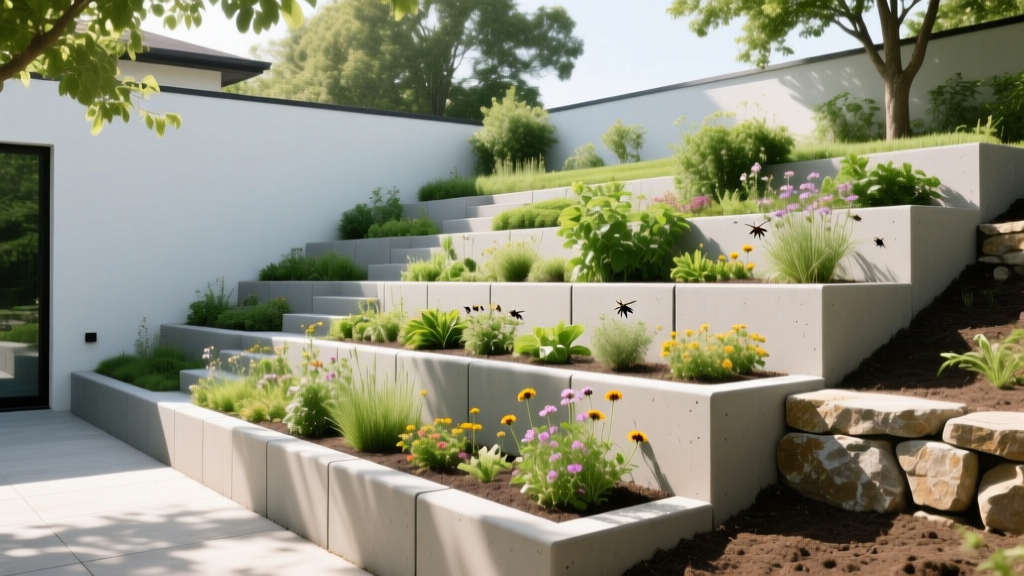
Sloped Backyard Terracing: Segmental Walls & Bio-Control 2026
Anna KowalskiPublished
Introduction to Eco-Conscious Sloped Terracing
Sloped backyards present unique challenges regarding soil erosion, water runoff, and usable outdoor space. In 2026, the landscaping industry has fully embraced the integration of structural hardscaping with ecological design. Building a sloped backyard terracing system with a segmental retaining wall (SRW) is no longer just about creating flat planting zones; it is about engineering a thriving, self-regulating ecosystem. By intentionally designing your terraced beds and wall structures to support beneficial insects and biological pest control, you can eliminate the need for synthetic pesticides while maintaining a pristine, vibrant landscape.
Segmental retaining walls, constructed from interlocking concrete blocks, offer superior flexibility, drainage, and ecological potential compared to poured concrete or timber. When paired with modern bio-control strategies, these walls become the backbone of a sustainable garden that actively fights off pests.
The Ecological Advantage of Segmental Retaining Walls
Unlike solid concrete barriers, modern SRW systems feature natural crevices, weep holes, and permeable joints. According to the Xerces Society for Invertebrate Conservation, providing diverse microhabitats is crucial for sustaining predatory insect populations. The small gaps between segmental blocks serve as ideal overwintering sanctuaries for ground beetles (Carabidae) and predatory spiders. These beneficial arthropods are voracious consumers of common landscape pests, including slugs, snails, and soil-dwelling grubs.
Furthermore, the thermal mass of the concrete blocks absorbs heat during the day and releases it at night. This creates a warm microclimate that encourages early-season emergence of beneficial insects like solitary bees and predatory wasps, giving your garden a head start on natural pest management before spring pests can establish large colonies.
Step-by-Step Terracing for Insectary Habitats
Step 1: Excavation and Bio-Control Soil Inoculation
Before laying your base gravel, you must prepare the native slope. In 2026, eco-conscious landscapers pre-treat excavated soil with beneficial nematodes to establish a biological defense from day one. Applying a product like BioLogic's Ecomask (containing Heterorhabditis bacteriophora) at a rate of 1 million nematodes per 1,000 square feet targets destructive white grubs and weevils without harming earthworms or the structural integrity of the soil.
Step 2: Base and Drainage Engineering
A proper SRW requires a compacted crushed stone base (typically 6 to 8 inches deep) and a perforated drainage pipe wrapped in geotextile fabric. Excellent drainage prevents waterlogging, which can drown soil-dwelling bio-control agents and cause root rot in your insectary plants. Backfill the wall with 3/4-inch clear crushed gravel to ensure water flows freely away from the terraced beds, maintaining the perfect moisture balance for microbial life.
Step 3: Wall Construction and Planting Pockets
As you stack the segmental blocks (such as the popular 2026 Allan Block Courtyard or Keystone Retaining Wall systems), incorporate geogrid reinforcement for walls exceeding 3 feet in height. To maximize bio-control, intentionally leave select vertical joints slightly open or utilize specialized planting blocks that allow creeping groundcovers to spill over the edges, providing continuous habitat corridors for beneficial insects to traverse the vertical landscape.
Best Insectary Plants for Terraced Beds (2026 Guide)
The UC Statewide Integrated Pest Management Program heavily advocates for the use of insectary plants to attract and sustain natural enemies of garden pests. Terraced beds offer distinct moisture and sun zones, allowing you to strategically place plants where they will thrive and provide maximum ecological benefit.
| Plant Species | Target Pest Controlled | Beneficial Predator Attracted | Ideal Terrace Zone |
|---|---|---|---|
| Sweet Alyssum | Aphids, Thrips | Hoverflies, Parasitic Wasps | Top / Edge Spillover |
| Yarrow (Achillea) | Caterpillars, Mites | Ladybugs, Lacewings | Middle Terrace (Full Sun) |
| Creeping Thyme | Flea Beetles | Ground Beetles, Tachinid Flies | Wall Crevices / Base |
| Fennel (Foeniculum) | Aphids, Slugs | Parasitic Wasps, Predatory Bugs | Bottom Terrace (Moist) |
| Buckwheat (Fagopyrum) | Various Soft-Bodied Insects | Minute Pirate Bugs, Damsel Bugs | Middle Terrace (Cover Crop) |
Integrating Biological Controls in Terraced Soil
Beyond planting, the soil within your terraced beds must be teeming with microbial and macro-biological life. In 2026, the standard practice for filling raised terrace beds involves a mix of 40% native topsoil, 40% high-quality compost, and 20% coarse sand or pumice for aeration. Inoculate this mix with mycorrhizal fungi to boost plant immunity and root depth, making them less susceptible to sap-sucking insects.
Once the plants are established, introduce augmented bio-controls. Releasing green lacewings (Chrysoperla carnea) in the early evening onto the terraced yarrow and alyssum ensures they settle into the microclimate rather than flying away. The physical barrier of the segmental retaining wall acts as a windbreak, significantly increasing the retention rate of released beneficial insects compared to open, sloped terrain.
Maintenance and Pest Management Without Chemicals
The most critical rule for maintaining a bio-control terraced landscape is the absolute avoidance of broad-spectrum synthetic pesticides. The EPA's guidelines on safe pest control emphasize that disrupting the natural food web leads to secondary pest outbreaks. If a localized aphid infestation occurs on your terrace, rely on the established hoverfly larvae and ladybugs to manage it.
Regular scouting is essential. Walk your terraced beds early in the morning with a magnifying glass to monitor both pest populations and the presence of beneficial predators. If intervention is strictly necessary, use targeted, bio-rational options:
- Bt (Bacillus thuringiensis): Highly effective against chewing caterpillars while completely safe for beneficial predators and pollinators.
- Spinosad: Use sparingly and only in the evening to avoid harming foraging bees; excellent for thrips and leafminers.
- Insecticidal Soaps: Ideal for spot-treating heavy aphid clusters without leaving toxic residues in the wall crevices where ground beetles reside.
2026 Cost Breakdown for Bio-Control Terracing
Investing in a segmental retaining wall with integrated bio-control features requires an upfront budget, but it drastically reduces long-term maintenance and chemical costs. Below is an estimated cost breakdown for a standard 100-square-foot terraced slope project (approximately 3 feet high and 30 feet long) in 2026.
| Project Component | Estimated 2026 Cost | Bio-Control / Ecological Purpose |
|---|---|---|
| SRW Concrete Blocks (approx. 120 units) | $650 - $950 | Provides overwintering crevices for predatory beetles. |
| Base Gravel & Drainage Aggregate | $250 - $350 | Ensures optimal soil moisture for nematodes and earthworms. |
| Geogrid & Geotextile Fabric | $120 - $180 | Stabilizes slope, preventing habitat destruction from erosion. |
| Engineered Insectary Soil Mix | $300 - $450 | Supports deep root growth and microbial bio-control networks. |
| Beneficial Nematodes (Ecomask) | $45 - $60 | Pre-emptive biological control of soil-dwelling grubs. |
| Insectary Plants & Seeds | $150 - $250 | Provides nectar, pollen, and shelter for beneficial insects. |
| Green Lacewing Eggs/Larvae Release | $35 - $50 | Augments natural predator populations for soft-bodied pests. |
"A terraced slope is not merely a structural necessity; it is a three-dimensional canvas for ecological design. When we build with segmental walls and plant with purpose, we invite nature to do the heavy lifting of pest management." — 2026 Sustainable Landscape Architecture Review
Conclusion
Transforming a sloped backyard into a series of tiered, segmental retaining wall terraces is one of the most impactful landscaping projects you can undertake in 2026. By viewing your hardscape through the lens of beneficial insects and bio-control, you elevate a standard erosion-control measure into a thriving, self-sustaining ecosystem. The crevices of the wall, the strategic placement of insectary plants, and the careful inoculation of the soil work in harmony to create a landscape that is as resilient as it is beautiful. Embrace the ecological approach, and let nature's microscopic and macroscopic allies maintain your garden's health for years to come.

