Gardening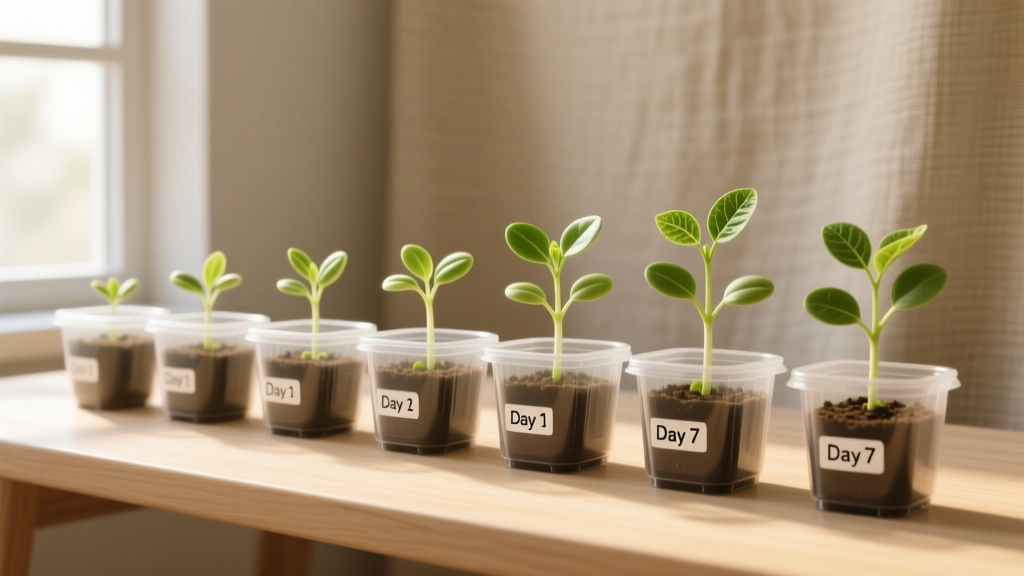
Hardening Off Seedlings: 7-Day Container Schedule 2026
Anna KowalskiPublished
The Container Gardener's Dilemma in 2026
As urban and balcony gardening continues to surge in 2026, more home growers are starting their vegetables and flowers indoors to maximize their limited outdoor space. However, moving tender seedlings from a controlled indoor environment to the harsh realities of an outdoor patio or balcony is a critical juncture. This process, known as hardening off, is especially perilous for container gardeners. Unlike in-ground gardens where soil temperatures remain relatively stable, potted seedlings are entirely at the mercy of ambient air temperatures, rapid moisture loss, and intense UV radiation.
According to The Old Farmer's Almanac, failing to properly acclimate seedlings can result in sunscald, windburn, and severe transplant shock, setting your harvest back by weeks. For container gardeners, the stakes are even higher. This comprehensive 2026 guide provides a meticulous 7-day transition schedule tailored specifically for seedlings destined for pots, raised planters, and fabric grow bags.
Why Potted Seedlings Are More Vulnerable
When you grow seedlings in containers, the root zone is completely exposed to the surrounding air. In a traditional garden bed, the earth acts as a massive thermal buffer. In a 4-inch nursery pot or a fabric grow bag, the root zone can heat up rapidly under direct sunlight or freeze quickly during a sudden spring cold snap.
The Pot Material Factor
- Black Plastic Nursery Pots: These absorb intense solar radiation. During the hardening off phase, the soil inside a black plastic pot can easily reach temperatures that cook delicate new roots.
- Terracotta and Un-glazed Clay: These porous materials wick moisture away from the soil. Seedlings that are used to the consistent humidity of an indoor grow tent will dehydrate rapidly outdoors in terracotta.
- Fabric Grow Bags: Excellent for air-pruning roots, but they dry out faster than any other container type. Wind exposure during the hardening off process will accelerate this moisture loss exponentially.
To mitigate these risks during the 7-day transition, keep your seedlings in their temporary nursery pots, but place those pots inside larger, lighter-colored decorative cache-pots or group them tightly together in a shaded cold frame to create a buffered microclimate.
The Ultimate 7-Day Hardening Off Schedule for Containers
Patience is your greatest asset. Do not rush this schedule, even if the 2026 spring weather looks unusually warm. The goal is to gradually thicken the plant's cellular structure and stimulate the production of protective waxes on the leaves.
| Day | Location & Light Exposure | Wind Exposure | Watering & Container Care |
|---|---|---|---|
| Day 1 | 1 hour in deep, dappled shade. No direct sunlight. | Sheltered completely from wind (e.g., enclosed porch). | Water lightly. Keep soil evenly moist but not soggy. |
| Day 2 | 2 hours in dappled shade. Early morning only. | Very light breeze allowed. | Check moisture; pots dry faster outdoors. Water as needed. |
| Day 3 | 3 hours of gentle morning sun (before 10 AM). | Moderate breeze to strengthen stems. | Reduce watering slightly to encourage deeper root seeking. |
| Day 4 | 4 hours of morning sun. Move to shade by noon. | Normal outdoor wind conditions. | Monitor black plastic pots for overheating; move to shade. |
| Day 5 | 5 hours of sun, including brief midday exposure. | Full wind exposure (unless severe gale warnings). | Water thoroughly in the morning. Let surface dry slightly. |
| Day 6 | 6+ hours of sun. Leave out all day. | Full wind exposure. | Withhold water slightly in the evening to prepare for night. |
| Day 7 | Full day outside, full sun exposure. | Full exposure. Leave out overnight if frost risk is zero. | Ready for up-potting into permanent container soil mixes. |
Crop-Specific Sensitivities for Containers
Not all seedlings harden off at the same pace, and container environments amplify their unique vulnerabilities. Tomatoes are highly sensitive to cold night temperatures; if your patio drops below 50°F (10°C) during the 7-day schedule, bring the pots indoors overnight. Peppers have exceptionally thin cuticles when grown indoors and are the most prone to sunscald; extend their dappled shade phase by an extra day if you notice any bleaching. Petunias and Calibrachoa, popular for 2026 hanging baskets, have delicate foliage that tears easily in urban wind tunnels; use a temporary burlap windbreak until their stems thicken.
Essential Container Hardening Gear for 2026
Modern container gardening relies on smart technology and specialized fabrics to ease the transition. Here is what you need in your arsenal this season:
1. Aluminet Shade Cloth (50% Density)
Unlike traditional black knitted shade cloth, aluminet reflects solar radiation while diffusing light evenly. This prevents the harsh shadows and hotspots that cause sunscald on tender container seedlings. Drape it over a simple PVC hoop frame over your patio table.
2. Bluetooth Capacitive Soil Moisture Sensors
In 2026, affordable Bluetooth soil sensors are a game-changer for container gardeners. Because small nursery pots dry out unpredictably outdoors, inserting a slim capacitive probe into the seedling tray allows you to monitor moisture levels via your smartphone. This prevents the fatal mistake of overwatering stressed seedlings or letting them desiccate in the wind.
3. Mini Pop-Up Greenhouses
For balcony gardeners dealing with unpredictable urban wind tunnels, a zippered mini pop-up greenhouse with roll-up sides offers precise control over wind exposure and humidity during Days 1 through 4.
Troubleshooting: Sunscald, Windburn, and Damping Off
Even with a careful schedule, container seedlings can encounter stress. Here is how to identify and fix the most common issues during the transition.
Sunscald
Symptoms: Bleached, papery, or translucent patches on the leaves, usually facing the sun.
The Fix: Immediately move the pots back into deep shade. Do not remove the damaged leaves; they still photosynthesize. Apply a diluted kelp meal foliar spray to help the plant recover from cellular stress.
Windburn
Symptoms: Leaves appear tattered, curled under, or have silvery streaks. Stems may snap.
The Fix: Group the pots tightly together against a solid wall or windbreak. The outer pots will take the brunt of the wind, protecting the inner seedlings. Stake any tall, leggy seedlings with bamboo skewers.
Damping Off and Fungal Issues
When seedlings are moved outdoors, fluctuating humidity and cooler nighttime temperatures can invite fungal pathogens. The Royal Horticultural Society (RHS) notes that damping off is exacerbated by poor air circulation and overly wet soil surfaces. Because container gardeners often overwater to compensate for outdoor wind, the soil surface stays wet, inviting pythium and rhizoctonia fungi.
The Fix: Water your seedling pots from the bottom by placing them in a shallow tray of water for 10 minutes, then draining completely. Ensure your seed starting mix contains at least 30% perlite for optimal drainage. A light dusting of powdered cinnamon on the soil surface acts as a natural, organic fungicide to protect vulnerable stems.
Final Transition: Moving to Permanent Containers
Once your seedlings have successfully completed the 7-day schedule and spent a full 24 hours outdoors without wilting, they are ready for their permanent homes. When up-potting into your final patio planters, fabric grow bags, or window boxes, use a high-quality, well-draining potting mix specifically formulated for containers. Never use topsoil or garden dirt in pots, as it will compact and suffocate the roots you just worked so hard to acclimate.
Consider mixing in a handful of biochar or worm castings during the final potting stage; these 2026 container gardening staples dramatically improve moisture retention and microbial life in isolated pot environments. Water the newly potted plants with a diluted liquid seaweed solution to mitigate transplant shock, and provide temporary shade for the first 48 hours after the final potting. By following this meticulous container hardening off schedule, your balcony and patio garden will be primed for a vigorous, high-yielding season.
