Pest Control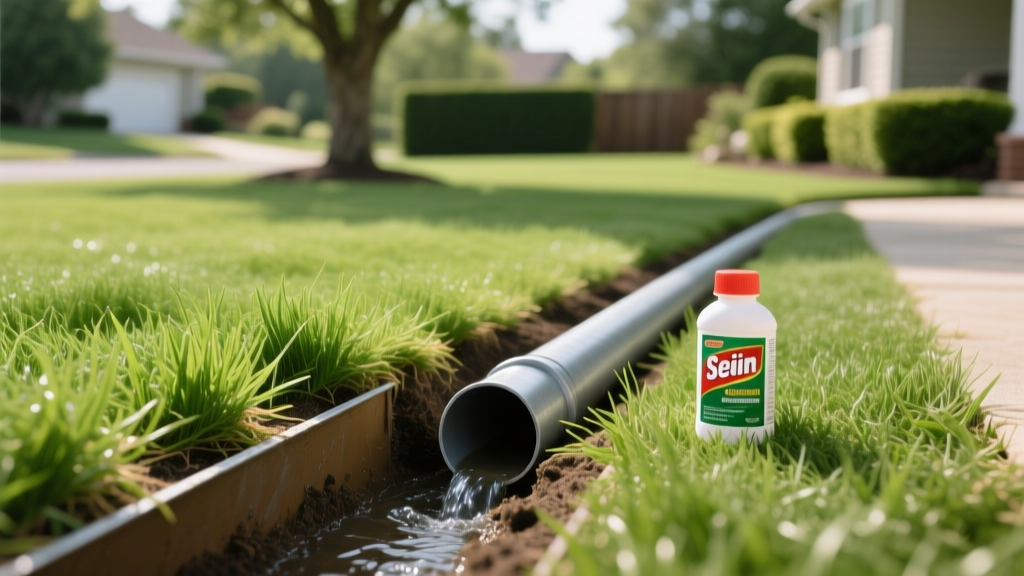
2026 Guide: Sevin Armyworm Treatment After French Drain Installs
David ParkPublished
The Hidden Link Between French Drains and Armyworm Outbreaks
As a professional French drain installation contractor, my primary focus in 2026 is moving hydrostatic pressure away from residential foundations. We excavate trenches, lay NDS corrugated slotted pipes, wrap them in geotextile fabric, and backfill with 3/4-inch washed drain rock. However, the most frequent callback our landscaping and drainage crew receives in late summer and early fall is not about clogged catch basins or failing sump pumps. Instead, it is about the new sod laid directly above our trench lines being decimated by fall armyworms (Spodoptera frugiperda).
When you alter the grading and hydrology of a yard to install a drainage system, you inadvertently create a microclimate that is highly attractive to turf-destroying pests. Treating these outbreaks requires a strategic approach, especially when using powerful broad-spectrum insecticides like Sevin (active ingredient: carbaryl). You must eliminate the pests without compromising the integrity of the new drainage infrastructure or flushing toxic chemicals directly into local waterways via the drain pipe.
Why Armyworms Target Newly Trenched and Sodded Lawns
To understand the treatment protocol, you first need to understand why armyworms target French drain corridors. When we dig a trench—typically 12 inches wide and 18 to 24 inches deep—we remove the existing topsoil and root mass. After the pipe and gravel envelope are installed, we cap the trench with a mix of screened topsoil and compost, followed by fresh rolls of Kentucky Bluegrass or Bermuda sod.
This fresh sod is incredibly tender. According to turfgrass entomologists at Penn State Extension, fall armyworms actively seek out lush, young, and rapidly growing grass blades. Furthermore, the French drain system is designed to manage soil moisture. The gravel bed acts as a capillary break, but the soil directly above it often retains a consistent, moderate moisture level that is perfect for armyworm larvae development. The combination of tender new grass and ideal soil moisture turns your newly installed drainage corridor into an all-you-can-eat buffet for armyworm caterpillars.
Homeowners often mistake the initial browning of the sod above the trench for a drainage failure or heat stress. As drainage experts, we always perform a "parting the grass" test. If we see frass (caterpillar droppings that look like small green pellets) and chewed grass blades near the soil line, we know it is an armyworm infestation, not a hydrology issue.
Choosing the Right Sevin Formulation for Drainage Zones (2026 Update)
In 2026, GardenTech's Sevin brand remains a staple for rapid knockdown of chewing insects in turfgrass. However, when applying Sevin near a newly installed French drain, the formulation you choose is critical. The goal is to get the carbaryl into the thatch layer where the armyworms feed, without flooding the trench and washing the chemical down into the perforated pipe.
Sevin is available in dust, liquid concentrate, and ready-to-spray (RTS) hose-end formulations. Each interacts differently with the unique soil profile of a French drain backfill.
Comparison Chart: Sevin Formulations Near French Drains
| Sevin Formulation | Application Method | Drainage Zone Suitability | Risk to French Drain System |
|---|---|---|---|
| Sevin Insect Dust | Shaker can or duster | Poor | High drift risk; washes into gravel bed during first rain. |
| Sevin Liquid Concentrate | Pump sprayer (1.5 fl oz per gallon) | Excellent | Low; allows precise targeting and controlled, light watering-in. |
| Sevin Ready-To-Spray (RTS) | Garden hose attachment | Fair | Moderate; high water volume can saturate the trench and cause runoff into the pipe. |
Step-by-Step Sevin Application Protocol for French Drain Corridors
When our crew is called back to treat an armyworm outbreak over a recent French drain installation, we follow a strict protocol to protect both the lawn and the drainage infrastructure. Here is the exact methodology we use in 2026.
Step 1: Map the Trench Line and Mow the Turf
Before mixing any chemical, consult your as-built drainage map to identify exactly where the perforated pipe and gravel envelope are located. Mow the lawn above the trench line to a height of about 2.5 inches. This removes excess leaf tissue and ensures the Sevin spray will reach the soil surface and thatch layer where the armyworms are actively feeding.
Step 2: Mix and Apply Sevin Liquid Concentrate
We exclusively use Sevin Liquid Concentrate for drainage zones. Mix 1.5 fluid ounces of concentrate per gallon of water in a 2-gallon pump sprayer. This provides enough pressure to penetrate the thatch without the massive water volume of a hose-end sprayer. Spray the affected corridor evenly, ensuring the grass blades are thoroughly coated but not dripping.
Step 3: The "Watering-In" Dilemma
Standard armyworm treatment guidelines suggest watering the lawn immediately after application to push the insecticide down to the soil surface. However, as French drain installers, we know that deep watering directly over a fresh trench can cause the topsoil cap to settle into the gravel, leading to surface depressions and potential mud clogging in the pipe. Instead, we use a fine mist setting on a hose nozzle to lightly dampen the grass. This is enough to wash the Sevin off the grass blades and into the thatch, without saturating the French drain backfill.
Step 4: Timing the Application
Armyworms are primarily nocturnal feeders, hiding in the thatch during the heat of the day. We schedule our Sevin applications for late afternoon or early evening. This ensures the chemical is active precisely when the larvae emerge to feed, maximizing the knockdown effect while minimizing UV degradation of the carbaryl.
Environmental Safety: Keeping Carbaryl Out of the Drain Pipe
The most critical aspect of using Sevin near a French drain is environmental stewardship. French drains are designed to capture surface and subsurface water and transport it away from the home. This water often daylights near creek beds, storm sewers, or dry wells. According to the National Pesticide Information Center (NPIC), carbaryl is highly toxic to aquatic invertebrates and moderately toxic to fish. If Sevin washes into the gravel bed and enters the perforated pipe, it will be discharged directly into local ecosystems, bypassing the natural soil filtration process.
To prevent this, never apply Sevin if heavy rain is forecasted within 24 hours. The Environmental Protection Agency (EPA) strictly advises against applying carbaryl in areas where runoff is likely. Furthermore, ensure that your French drain system is equipped with a proper silt fence or geotextile wrap during the backfilling process; while this is meant for soil retention, it also provides a minor physical barrier against surface chemical migration during the initial curing period of the sod.
In 2026, a 32-ounce bottle of Sevin Concentrate costs approximately $21.99 and is highly cost-effective, treating up to 4,000 square feet of turfgrass. However, the cost of environmental remediation or replacing a silted-up French drain system due to improper chemical application can run into the thousands of dollars.
Post-Treatment Lawn Recovery and Drainage Monitoring
After applying Sevin, the armyworm population will typically collapse within 24 to 48 hours. However, the damage to the new sod above the French drain is already done. Because the root systems of the new sod have not yet fully intertwined with the topsoil cap, the turf may look severely scalped.
Do not panic and assume the drain is failing. Apply a light layer of compost top-dressing over the trench line to protect any exposed crowns of the grass plants. Continue your standard lawn watering schedule, but monitor the catch basins and daylight exits of your French drain. If you notice any chemical odor or unusual foaming at the drain exit after a heavy rain, it indicates that surface runoff carried the insecticide into the system. In such cases, flush the drain line with clean water from a garden hose to clear any residual carbaryl from the corrugated pipe.
By understanding the intersection of subsurface drainage hydrology and surface-level pest biology, you can effectively use Sevin to protect your landscape investment. A well-designed French drain keeps your foundation dry, and a carefully managed pest control protocol ensures the lawn above it remains lush, green, and pest-free throughout the 2026 season and beyond.