Pest Control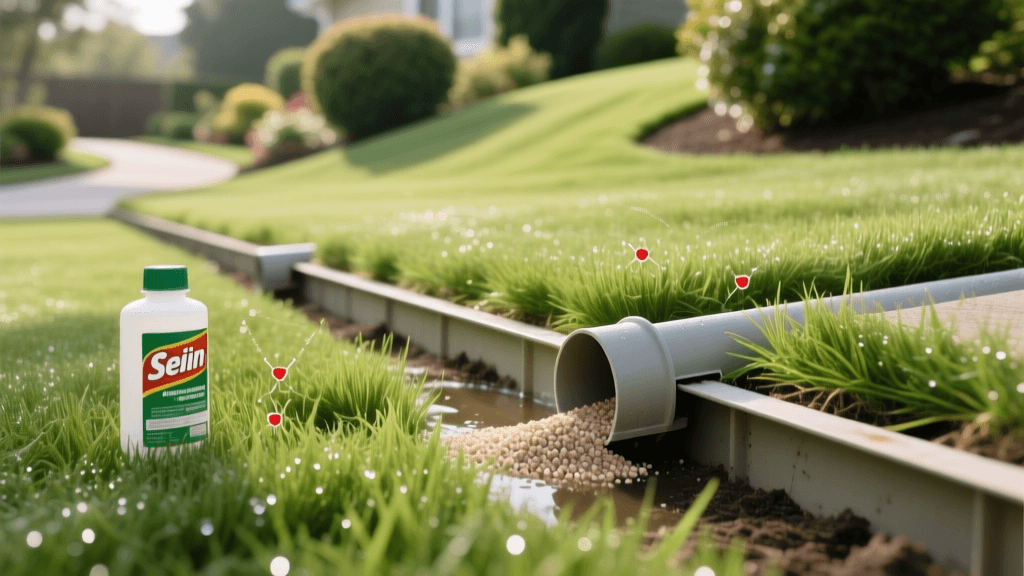
Treating Armyworms With Sevin Near Landscape Drainage Pipes 2026
The Hidden Link Between Subsurface Drainage and Armyworms
When homeowners discover their lawn is being devoured overnight by fall armyworms (Spodoptera frugiperda), the immediate reaction is often to reach for a broad-spectrum insecticide. In 2026, carbaryl, widely known under the brand name Sevin, remains one of the most effective and fast-acting knockdown agents for severe lepidopteran infestations. However, if your property utilizes a subsurface landscape drainage pipe system—such as French drains, corrugated tubing, or NDS catch basins—applying Sevin requires a highly strategic approach. The very infrastructure designed to protect your lawn from water damage can inadvertently sabotage your pest control efforts and create severe environmental hazards if not managed correctly.
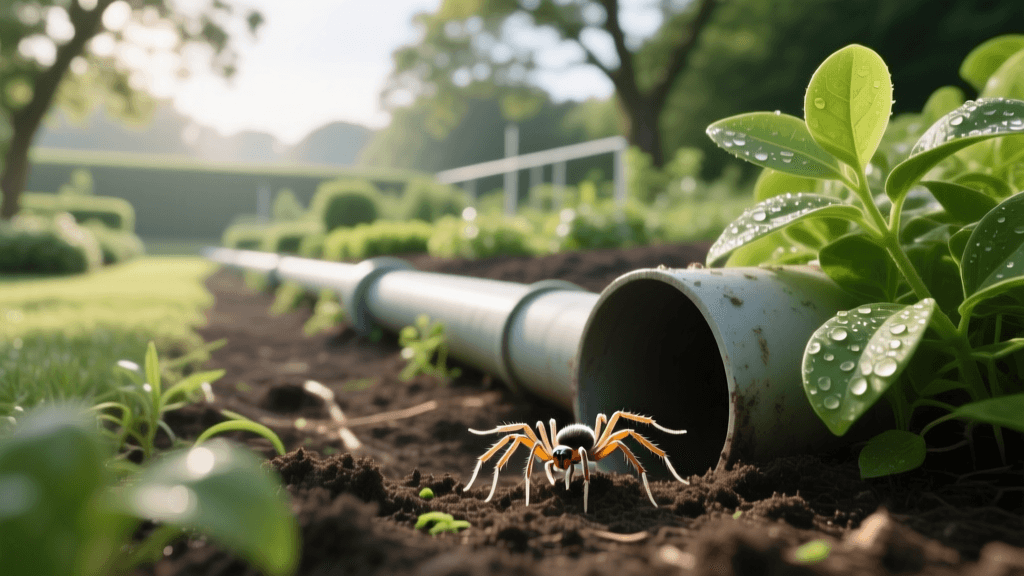
Armyworms are moisture-seeking pests. The adult moths actively seek out lush, damp, and fast-growing turfgrass to lay their eggs. Lawns with poorly graded areas, or areas immediately surrounding landscape drainage pipe outflows and catch basins, often retain localized moisture. This creates microclimates where the grass grows thicker and more tender, effectively rolling out a red carpet for armyworm larvae. Furthermore, the thatch buildup near drainage grates provides the perfect daytime hiding spot for these nocturnal feeders. Understanding the intersection between your hardscape drainage infrastructure and pest biology is the first step toward reclaiming your turf in 2026.
The Runoff Dilemma: Carbaryl and the Pipe Network
The primary function of a landscape drainage pipe system is to rapidly evacuate excess water from the root zone and surface. While this is excellent for preventing fungal diseases and root rot, it poses a significant challenge when applying liquid or improperly watered-in granular pesticides. Carbaryl is highly toxic to aquatic invertebrates and fish. According to the EPA Carbaryl Overview, preventing this active ingredient from entering waterways is a critical environmental priority.
If you apply liquid Sevin to a lawn equipped with a network of corrugated landscape drainage pipes, any subsequent rainfall or over-irrigation will wash the chemical directly into the catch basins. The drainage pipes then act as an express lane, bypassing the soil's natural microbial filtration system and dumping the concentrated insecticide directly into municipal storm drains, retention ponds, or local watersheds. As the EPA's guidelines on preventing pesticide runoff emphasize, surface and subsurface water management must be factored into any chemical application plan. Therefore, treating armyworms in a drained yard requires strict adherence to formulation selection, buffer zones, and precise irrigation protocols.
Choosing the Right Sevin Formulation for Drained Lawns
To protect your landscape drainage pipe infrastructure and the surrounding environment, you must choose the correct formulation of Sevin. Liquid applications are generally discouraged near active drainage grates due to the immediate risk of subsurface runoff. Below is a comparison of the primary Sevin formulations available in 2026 and their suitability for lawns with extensive drainage systems.
| Formulation | Runoff Risk Near Drains | Best Use Case | 2026 Avg. Cost |
|---|---|---|---|
| Sevin 5% Granular | Low (When watered properly) | Overall lawn treatment; binds to thatch and soil, minimizing immediate entry into pipe grates. | $45 - $55 (40 lb bag) |
| Sevin Liquid Concentrate | High | Avoid near catch basins. Only use for spot-treating vertical surfaces or away from drainage zones. | $25 - $35 (32 oz) |
| Sevin Ready-to-Spray | Moderate to High | Perimeter treatments only. Do not attach to hose-end sprayers over French drain lines. | $20 - $28 (32 oz) |
For comprehensive armyworm eradication in yards with subsurface drainage, Sevin 5% Granular is the undisputed choice for 2026. The granular carrier (often a clay or sand base) holds the carbaryl in the thatch layer until it is deliberately watered in, giving you control over when and how the chemical moves through the soil profile.
Step-by-Step Sevin Application Protocol for Drained Lawns
To successfully eradicate the armyworms while safeguarding your landscape drainage pipes, follow this integrated pest management (IPM) protocol.
Step 1: Map and Inspect the Drainage Infrastructure
Before purchasing any insecticide, walk your property and locate every drainage inlet, channel drain, and French drain access point. Inspect the grates for organic debris. Decaying leaves and grass clippings trapped in NDS catch basins hold moisture and serve as a nursery for armyworm pupae. Use a shop vacuum or a specialized drain snake to clear all landscape drainage pipes of organic matter prior to treatment. This ensures that water applied during the treatment phase can percolate slowly into the soil rather than pooling and overflowing into the pipe network.
Step 2: Establish Chemical-Free Buffer Zones
Create a strict 3-foot buffer zone around all landscape drainage pipe inlets and outflows. Do not apply Sevin granules within this perimeter. Because armyworms may still congregate in these damp buffer zones, treat these specific 3-foot zones with an organic Bacillus thuringiensis (Bt) spray, such as Thuricide. Bt specifically targets caterpillars and poses zero risk to aquatic life or water quality should it wash into the drainage pipes. For a deeper understanding of armyworm behavior and biological controls, refer to the NC State Extension guide on Armyworms in Turf.
Step 3: Calibrate and Apply Granular Sevin
Set your broadcast spreader according to the 2026 Sevin label instructions for armyworm control, which typically dictates an application rate of 2 to 3 pounds of product per 1,000 square feet. Apply the granules during the late afternoon or early evening. Armyworms are nocturnal and will emerge from the thatch and soil surface to feed at night, coming into direct contact with the carbaryl-treated grass blades. Keep the granules at least 12 inches away from the edge of any hardscape drainage grates to prevent wind drift or accidental spillage into the pipe system.
Step 4: The Critical 1/4-Inch Watering Rule
Granular Sevin must be watered in to activate the carbaryl and wash it off the grass blades down to the soil surface where the armyworms hide during the day. However, overwatering is the primary cause of pesticide loss in yards with landscape drainage pipes. You must apply exactly 1/4 inch of water—no more. Place empty tuna cans or calibrated rain gauges across the lawn to measure the output of your sprinkler system. Applying 1/4 inch of water activates the pesticide and binds it to the upper soil layer without reaching the saturation point that would trigger rapid flow into your subsurface corrugated pipes or French drains.
Post-Treatment Drainage Maintenance and IPM
After the Sevin application has successfully knocked down the armyworm population, your focus must shift back to the landscape drainage pipes to prevent future outbreaks. Armyworms are cyclical, and moths will return if the environmental conditions remain favorable. The ultimate long-term solution to pest pressure is modifying the microclimate.
Ensure that the grading around your drainage catch basins is sloped correctly so that surface water enters the grates rather than pooling in the surrounding turf. If your landscape drainage pipes are discharging into a dry well or a pop-up emitter in the yard, ensure the emitter is functioning correctly and not leaking backward into the root zone. A leaking subsurface pipe creates a hidden, perpetually damp zone that will attract egg-laying moths season after season. Consider installing root barriers or upgrading to rigid PVC drainage pipes in areas where aggressive turf roots or burrowing pests (like voles or earthworms) might compromise the corrugated tubing.
Conclusion
Treating an armyworm infestation with Sevin in a yard equipped with a landscape drainage pipe system requires a careful balance between aggressive pest control and environmental stewardship. By opting for granular formulations, establishing organic buffer zones around catch basins, and strictly controlling your post-application irrigation, you can eliminate the larvae without contaminating local waterways. In 2026, smart lawn care means recognizing that your hardscape infrastructure and your turf's biological health are deeply interconnected. Maintain your pipes, manage your moisture, and apply your treatments with precision to keep your lawn green, lush, and entirely armyworm-free.