Pest Control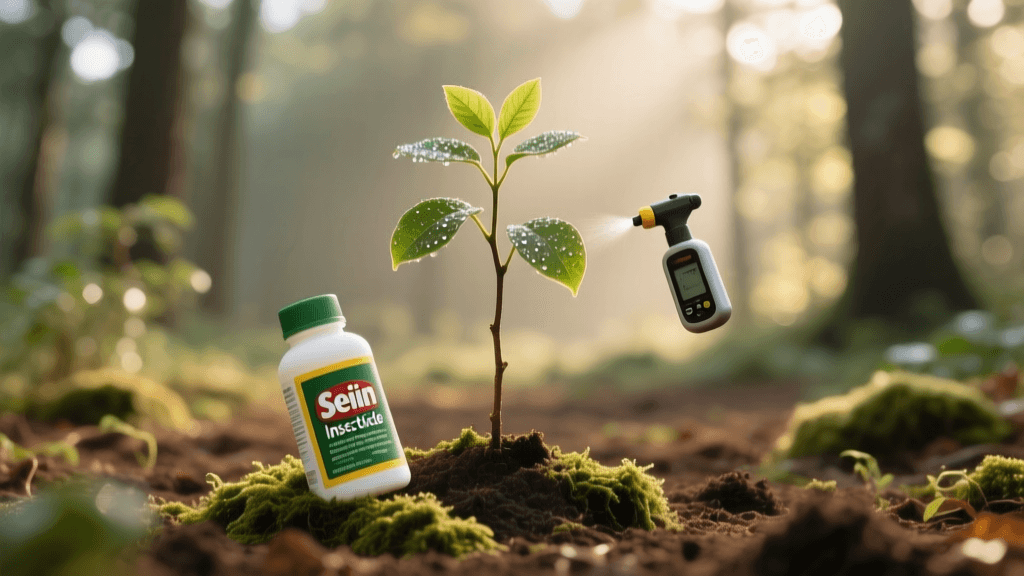
Treating Armyworm Infestations With Sevin On New Trees 2026
The Intersection of Tree Planting and Armyworm Threats in 2026
Planting a new tree is a long-term investment in your landscape, providing shade, aesthetic beauty, and ecological benefits for decades. However, the critical establishment phase of a newly planted tree is fraught with environmental stressors, and in 2026, pest pressures remain a primary concern for arborists and homeowners alike. Among the most voracious and unpredictable of these pests are armyworms. While primarily known as turfgrass and agricultural crop destroyers, armyworms can severely damage young tree seedlings, nursery stock, and newly planted saplings, stripping them of vital foliage before their root systems have fully established.
When establishing a new landscape or reforesting a property, understanding how to integrate tree selection, proper planting techniques, and targeted pest control is essential. For severe infestations, Sevin insecticide (active ingredient: carbaryl) remains a cornerstone of chemical control. This comprehensive guide explores how to protect your new tree plantings from armyworm devastation using Sevin, while also examining cultural and biological strategies to ensure your trees thrive in the 2026 growing season and beyond.
Why Newly Planted Trees Are Vulnerable to Armyworms
Armyworms, particularly the Fall Armyworm (Spodoptera frugiperda) and the Yellowstriped Armyworm (Spodoptera ornithogalli), are caterpillars that feed heavily on grasses and broadleaf plants. According to Penn State Extension, fall armyworms can migrate in massive numbers when local food sources are depleted. If you are planting trees in areas that were previously turf, pasture, or overgrown with weedy grasses, you are inadvertently placing your new trees in the direct path of migrating larvae.
When site preparation involves mowing or tilling existing grass, the disturbed armyworm larvae will immediately seek out the nearest green, tender tissue. Newly planted tree whips, saplings, and the low-hanging branches of young fruit trees become prime targets. Because young trees have limited energy reserves, severe defoliation by armyworms can stunt growth, invite secondary borers, or kill the tree outright before it survives its first winter.
Tree Selection Strategies to Minimize Pest Impact
Effective pest control begins long before you spray an insecticide; it starts with tree selection. When planning your 2026 planting schedule, consider the following strategies to minimize armyworm impact:
- Opt for Larger Caliper Trees: Instead of planting thin whips or bare-root seedlings, invest in larger caliper trees (1.5 to 2.5 inches in trunk diameter). Larger trees possess more stored carbohydrates and a more robust structure, allowing them to survive and recover from partial defoliation much better than fragile seedlings.
- Choose Resistant Species: Armyworms heavily favor grasses, but they will readily consume the tender shoots of young pines, eucalyptus, and certain fruit trees (like apple and peach). Broadleaf shade trees like Oaks (Quercus), Maples (Acer), and Sycamores (Platanus) are generally less palatable to armyworms once their leaves mature and develop tougher cuticles.
- Elevate the Canopy: Select trees that naturally grow with a higher canopy or prune lower branches immediately after planting. Armyworms migrate along the ground; removing the lowest 12 to 18 inches of branches on a sapling creates a physical gap that makes it harder for ground-dwelling larvae to reach the primary foliage.
Site Preparation: Disrupting the Armyworm Lifecycle
Proper site preparation is a critical, often overlooked step in tree planting guides. The University of Minnesota Extension emphasizes the importance of clearing competing vegetation to give new trees access to water and nutrients. From a pest control perspective, clearing a 3-foot radius of turf and weeds around the planting hole eliminates the primary food source for armyworms. By applying a non-selective herbicide or using heavy organic mulch (like wood chips) several weeks before planting, you force any existing armyworm populations to move on or starve, creating a safe buffer zone for your new tree's root ball and lower trunk.
Identifying Armyworm Damage on Young Trees
Before reaching for chemical treatments, confirm that armyworms are the culprits. Armyworm damage on young trees typically presents as:
- Skeletonized Leaves: Early instar (young) larvae eat the soft tissue between leaf veins, leaving a lace-like skeleton.
- Complete Defoliation: Larger, late-instar caterpillars consume entire leaves and tender green bark on young shoots, often leaving only the midrib or woody stems.
- Frass Presence: Look for small, cylindrical, green or brown droppings (frass) on the lower leaves, in the crotches of branches, or on the soil surface directly beneath the tree.
- The Pests Themselves: Armyworms are most active during the cooler parts of the day (early morning or late evening). During the heat of the day, they often hide in the soil cracks, under mulch, or in the thatch layer at the base of the tree.
Sevin Insecticide: The 2026 Standard for Armyworm Control
Sevin, whose active ingredient is carbaryl, is a broad-spectrum carbamate insecticide that has been utilized in agriculture and landscaping for decades. According to the Environmental Protection Agency (EPA), carbaryl works by disrupting the nervous system of insects, leading to rapid knockdown and mortality upon contact or ingestion. For tree planters dealing with aggressive, fast-moving armyworm infestations, Sevin provides the immediate curative action needed to save vulnerable saplings.
In 2026, Sevin is available in several formulations, each with specific use cases for tree planting scenarios. Always read the 2026 product label carefully, as regulations and application rates are subject to updates by federal and state environmental agencies.
Sevin Formulations Comparison for Tree Planting
| Formulation | Best Use Case for New Trees | Pros | Cons |
|---|---|---|---|
| Sevin Liquid Concentrate | Large-scale nursery plantings or multiple saplings | Excellent coverage, can be mixed with liquid fertilizers, cost-effective per gallon. | Requires pump sprayer calibration, higher risk of drift. |
| Sevin Ready-to-Spray | Homeowners planting 1-5 trees in existing lawns | Convenient hose-end attachment, no mixing required, quick application. | Less precise dosage control, higher cost per ounce of active ingredient. |
| Sevin 5% Dust | Targeted treatment of soil cracks and trunk bases | Stays in place at the base of the tree, effective against hiding larvae. | Easily washed away by rain, messy, hazardous if inhaled during application. |
Step-by-Step Sevin Application Guide for Tree Protection
If you have confirmed an active armyworm infestation threatening your newly planted trees, follow these steps to apply Sevin safely and effectively:
- Timing is Critical: Armyworms feed primarily at night and during early morning. Apply Sevin liquid sprays in the late afternoon or early evening. This maximizes contact with actively feeding larvae and reduces the risk to foraging pollinators, as bees are generally inactive at dusk.
- Mix the Solution: For Sevin Liquid Concentrate, the standard rate for ornamental trees and shrubs is typically 1.5 to 3.0 fluid ounces per gallon of water. Always defer to the specific 2026 label instructions on your bottle.
- Target the Foliage and the Base: Spray the tree canopy thoroughly until the leaves are wet but not dripping. Crucially, also spray the trunk and the soil surface in a 2-foot radius around the tree. Armyworms climb the trunk at night and hide in the soil during the day; treating both zones creates a lethal barrier.
- Wear Proper PPE: Carbaryl is a toxic chemical. Wear long sleeves, long pants, chemical-resistant gloves, and protective eyewear during mixing and application.
- Monitor and Reapply if Necessary: Sevin provides residual control for about 7 to 14 days. However, heavy rain can wash the product off the foliage. Inspect your trees 5 days after application. If new hatches or migrating larvae appear, a second application may be required, adhering to the maximum annual application limits listed on the label.
Integrating Sevin with IPM and Beneficial Insects
While Sevin is highly effective at rescuing trees from imminent defoliation, it is a broad-spectrum insecticide. This means it will also eliminate beneficial predatory insects that naturally keep armyworm populations in check. To practice true Integrated Pest Management (IPM) in your 2026 tree planting projects, use Sevin as a rescue treatment rather than a preventative one.
Once the immediate armyworm threat is neutralized and the Sevin residue has degraded (usually after two weeks), introduce biological controls to the planting zone. Beneficial nematodes (Steinernema carpocapsae) can be watered into the soil around the new trees to parasitize armyworm pupae. Additionally, planting insectary borders of flowering herbs like dill, fennel, and yarrow near your tree groves will attract Tachinid flies and Trichogramma wasps, which are natural parasitoids of armyworm eggs and larvae.
Environmental Precautions and Pollinator Safety
The protection of pollinators is a paramount concern in modern arboriculture. Carbaryl is highly toxic to bees. Never apply Sevin to trees that are currently blooming, and avoid spraying if your newly planted trees are interplanted with flowering groundcovers or clovers. If you are planting fruit trees that may produce early blossoms, opt for targeted biological sprays like Bacillus thuringiensis (Bt) var. kurstaki, which specifically targets caterpillars without harming bees, ladybugs, or earthworms. Reserve Sevin for severe, non-flowering ornamental tree infestations where rapid knockdown is the only way to save the plant's life.
Conclusion
Successfully establishing new trees in 2026 requires a holistic approach that bridges horticulture and pest management. By selecting robust tree species, preparing the site to eliminate competing grass hosts, and monitoring for the distinct signs of armyworm damage, you can catch infestations before they become fatal. When cultural and biological methods are overwhelmed by migrating pest pressure, Sevin insecticide remains a powerful, reliable tool to protect your investment. By applying carbaryl responsibly, targeting the pests' behavioral habits, and prioritizing pollinator safety, you ensure your newly planted trees survive their most vulnerable stages and grow into enduring landscape landmarks.