Pest Control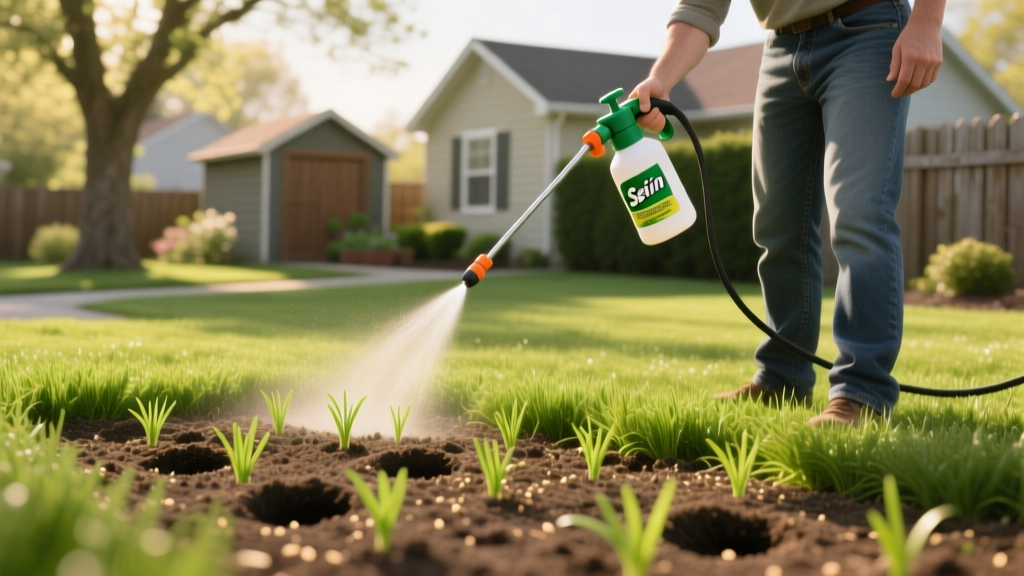
Sevin Armyworm Treatment For Newly Seeded Lawns In 2026
Sarah ChenPublished
The Fall Dilemma: Armyworms vs. Newly Seeded Lawns
For lawn care enthusiasts and turf managers, early autumn is the golden window for core aeration and overseeding. Soil temperatures are cooling, weed pressure is dropping, and cool-season grasses like tall fescue, Kentucky bluegrass, and perennial ryegrass are primed for aggressive germination. However, this exact same window overlaps with one of the most destructive turf events in North America: the fall armyworm (Spodoptera frugiperda) migration. When these voracious larvae invade a lawn that has just been aerated and seeded, the results can be catastrophic. Armyworms can devour newly sprouted cotyledons and tender seedlings in a matter of days, wiping out thousands of dollars in seed, soil amendments, and labor. In 2026, integrated pest management (IPM) protocols heavily emphasize the strategic use of carbaryl-based products, most notably Sevin insecticide, to rescue seeded lawns without disrupting the delicate germination process.
Why Armyworms Target Aerated and Seeded Turf
Armyworms do not discriminate between mature turf and seedlings, but they are highly attracted to the lush, tender, and moisture-rich environment of a newly seeded lawn. The frequent, shallow watering required to keep grass seed moist creates an ideal microclimate for armyworm larvae, which thrive in humid, damp thatch layers. Furthermore, the physical act of core aeration brings up soil plugs and disrupts the thatch layer, temporarily exposing the soil surface. While this is excellent for seed-to-soil contact, it also provides armyworms with easy access to the tender roots and emerging shoots of germinating seeds. According to turfgrass entomologists, a heavy infestation of third- or fourth-instar armyworms can consume an entire newly seeded lawn in 48 to 72 hours, leaving behind nothing but bare soil and frass (insect excrement).
The Core Aeration Advantage for Sevin Penetration
Applying insecticides to a thick, un-aerated lawn often results in the product getting trapped in the thatch layer, failing to reach the soil surface where armyworms hide during the heat of the day. This is where the synergy between aeration and Sevin application becomes a massive advantage. By aerating before your Sevin application, you create thousands of microscopic channels in the soil. When liquid Sevin (carbaryl) is applied and watered in, it bypasses the thatch barrier and moves directly into the upper soil profile and the base of the grass plants. This ensures that the insecticide reaches the larvae exactly where they are feeding and resting, maximizing knockdown efficacy while minimizing the amount of chemical left on the surface to degrade under UV light.
Sevin Insecticide: 2026 Formulations and Label Updates
Sevin, whose active ingredient is carbaryl, remains a cornerstone of rapid-response armyworm treatment. As a contact and stomach poison, it attacks the insect's nervous system, causing rapid paralysis and death. For 2026, turf managers are primarily utilizing liquid formulations like Sevin XLR Plus or consumer-ready hose-end sprays for seeded lawns. Liquid applications are vastly superior to granular options in newly seeded beds because granular insecticides require heavy watering to wash the chemical off the prills and into the soil—a volume of water that can easily wash away unprotected grass seed or cause soil erosion in freshly aerated holes. Liquid Sevin can be applied as a fine mist that gently settles over the seedbed, requiring only a light, synergistic watering to activate.
Step-by-Step Guide: Applying Sevin on Seeded Lawns
Step 1: Scout and Assess the Seedling Stage
Before mixing any chemical, confirm the presence of armyworms. The classic "soapy water flush" (pouring a mixture of two tablespoons of dish soap in a gallon of water over a square yard of turf) will force larvae to the surface within minutes. If you find more than three to four larvae per square foot, treatment is mandatory. Assess your seed: if the seed has been down for less than 5 days and has not yet germinated, the larvae are likely eating the pre-germinated seed or the very first root radicles. If the grass has sprouted, you will see the tips of the blades chewed or entirely missing.
Step 2: Timing the Application for Pollinator Safety
Carbaryl is highly toxic to bees and other beneficial pollinators. The EPA's guidelines on carbaryl strictly mandate that applications must be made when pollinators are not actively foraging. In 2026, best practices dictate applying Sevin late in the evening, ideally just as the sun sets. This timing is a perfect match for newly seeded lawns, as evening is also the optimal time for the final daily seed-watering cycle, allowing the insecticide to dry on the foliage overnight while maintaining the necessary moisture for the seed.
Step 3: Mixing and Applying Liquid Sevin
For liquid Sevin concentrates, the standard rate for armyworm control is typically 1.5 to 2.0 fluid ounces per 1,000 square feet. Mix the solution in a pump sprayer using a flat-fan nozzle to ensure an even, gentle distribution over the delicate seedlings. Avoid using high-pressure nozzles that could blast the grass seed out of the aeration holes. Spray the entire seeded area uniformly, treating a 5-foot buffer zone beyond the visible damage, as armyworms march in waves and the "green zone" ahead of the damage is often already infested with microscopic early-instar larvae.
Balancing Seed Germination Moisture and Insecticide Watering
The greatest challenge in treating seeded lawns is the watering schedule. Grass seed requires frequent, light watering (2 to 3 times a day) to prevent the seed from drying out. Sevin, however, requires being "watered in" with about 1/4 to 1/2 inch of irrigation to move the carbaryl into the thatch and soil surface. Below is a recommended 2026 schedule to balance both needs:
| Time of Day | Action | Purpose |
|---|---|---|
| 6:00 AM | Light Mist Watering | Hydrate seed and seedlings without washing away soil. |
| 12:00 PM | Light Mist Watering | Prevent midday desiccation of tender cotyledons. |
| 5:00 PM | Scout for Larvae | Check for fresh frass or marching larvae. |
| 7:30 PM (Dusk) | Apply Liquid Sevin | Spray foliage and soil surface safely away from bees. |
| 8:15 PM | Water-In (1/4 inch) | Moves Sevin into the thatch; serves as evening seed watering. |
By combining the evening seed watering with the insecticide water-in, you avoid over-saturating the soil, which can lead to fungal diseases like Pythium blight—a common issue in overwatered, newly seeded autumn lawns.
Post-Application Lawn Care and IPM Strategies
Once Sevin has been applied and watered in, the immediate armyworm threat is usually neutralized within 24 hours. However, carbaryl has a relatively short residual activity in the soil (typically 7 to 14 days). If the migration pressure in your region is exceptionally high, a second wave of moths may lay eggs that hatch after the Sevin has broken down. According to turfgrass experts at Penn State Extension, monitoring the lawn for a full month post-treatment is critical. For long-term residual control in a seeded lawn, turf managers in 2026 often follow up a rapid-knockdown Sevin treatment with a biological insecticide containing Bacillus thuringiensis (Bt) or a reduced-risk anthranilic diamide (like chlorantraniliprole) once the grass seedlings have established their first true leaves and can tolerate heavier foot traffic for hose dragging. Furthermore, maintaining a sharp mower blade and holding off on the first mow until the new seedlings reach at least 3.5 inches in height will reduce plant stress, allowing the aerated and seeded turf to outgrow any minor secondary pest damage. By leveraging the soil-penetrating benefits of core aeration and the rapid knockdown power of Sevin, you can successfully defend your fall seeding investment and establish a thick, vibrant lawn ready for the following spring.