Pest Control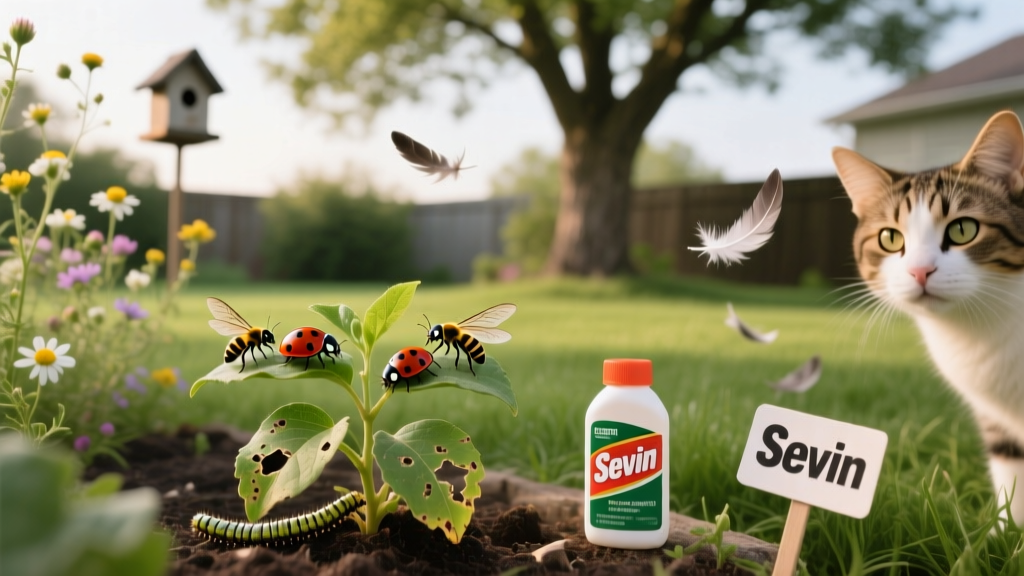
Sevin Armyworm Treatment: Wildlife & Pet Safety 2026
Mike RodriguezPublished
The 2026 Armyworm Threat and the Wildlife Dilemma
Fall armyworms (Spodoptera frugiperda) remain one of the most destructive turfgrass pests in North America. Capable of devouring an entire lawn in a matter of days, these ravenous caterpillars force homeowners into rapid response modes. In 2026, Sevin insecticide continues to be a widely utilized, fast-acting chemical control option for severe armyworm infestations. However, from a Wildlife and Yard Animal Management perspective, deploying broad-spectrum insecticides requires a strategic, ecologically mindful approach.
As land stewards, our goal is not merely to eradicate the pest, but to manage the entire yard ecosystem. Sevin's active ingredients—traditionally carbaryl, though newer 2026 formulations may utilize zeta-cypermethrin—are highly effective against chewing insects. Unfortunately, they do not discriminate between a destructive armyworm and a beneficial ground beetle, a foraging robin, or your family dog. This comprehensive guide details how to execute an armyworm treatment using Sevin while rigorously protecting the wildlife and domestic animals that share your outdoor space.
Understanding Sevin Insecticide: Efficacy vs. Ecological Impact
Before applying any chemical control, it is vital to understand its ecological footprint. Sevin works by disrupting the nervous system of insects, leading to rapid paralysis and death. While this provides the quick knockdown required to save a lawn from marching armyworms, the residual effects can impact non-target species.
According to the National Pesticide Information Retrieval System, carbaryl is highly toxic to aquatic invertebrates and honeybees, and moderately toxic to many bird species if they ingest contaminated insects or granules directly. Furthermore, earthworms—a crucial component of soil health and a primary food source for local bird populations—can accumulate the chemical, creating a secondary poisoning risk for insectivorous birds. Therefore, treating armyworms with Sevin is not a simple 'spray and forget' task; it is a calculated wildlife management operation that requires strict adherence to safety protocols.
Step-by-Step Armyworm Treatment Using Sevin
To minimize chemical usage and reduce environmental exposure, precise application is mandatory. Follow these steps to treat your lawn effectively in 2026:
1. Confirm the Infestation with a Soap Flush
Do not treat blindly. Mix two tablespoons of liquid dish soap in a gallon of water and pour it over a one-square-yard area of the lawn's edge. If two to three armyworms surface within minutes, treatment is justified. Look for the characteristic 'frosted' appearance of chewed grass blades and small green/brown fecal pellets (frass) on the soil.
2. Prepare the Habitat
Mow your lawn to a standard height before application. This ensures the Sevin reaches the soil surface and the thatch layer where armyworms hide during the heat of the day. Crucially, remove all pet toys, water bowls, and wildlife feeders from the treatment zone.
3. Select the Right Formulation and Apply
For lawn applications, Sevin Insect Killer Granules or Sevin SL (liquid concentrate) are standard. Granular applications require immediate, light watering to activate the product and wash it off the grass blades into the thatch, which actually reduces the hazard to foliage-resting pollinators. Liquid applications should be calibrated to deliver exactly 2 to 3 fluid ounces per 1,000 square feet, depending on the specific 2026 product label instructions. Always wear personal protective equipment (PPE), including long sleeves, pants, and chemical-resistant gloves.
Wildlife and Pet Safety Protocols During Application
The core of yard animal management during a chemical intervention is controlling exposure. The following table outlines the mandatory safety timelines and actions required to protect various animal groups when using Sevin for armyworm control.
| Target Group | Pre-Application Action | Re-Entry Interval (REI) | Post-Application Management |
|---|---|---|---|
| Pets (Dogs/Cats) | Remove toys, bowls; keep strictly indoors | 24 hours or until completely dry | Wipe paws with a damp cloth before re-entry |
| Wild Birds | Empty birdbaths, cover or remove feeders | 48 hours for ground-foraging species | Rinse birdbaths thoroughly; discard old seed |
| Pollinators (Bees) | Mow lawn to eliminate blooming weeds | N/A (Apply strictly at dusk or dawn) | Monitor for returning foragers; spot-treat weeds |
| Aquatic Life | Cover koi ponds, check grading for runoff | Permanent buffer zone required | Maintain a strict 25-foot untreated buffer |
Protecting Pollinators and Aquatic Ecosystems
Pollinator decline remains a critical environmental issue in 2026. The Xerces Society for Invertebrate Conservation emphasizes that even targeted lawn applications can drift or be tracked onto nearby flowering plants by wind or equipment. To protect native bees and butterflies, you must eliminate all flowering weeds (like clover or dandelions) from the lawn via mowing before applying Sevin. Furthermore, never apply liquid Sevin during the heat of the day when pollinators are active; restrict applications to late evening when bees have returned to their hives and the wind is calm.
Aquatic ecosystems are equally vulnerable. Carbaryl and pyrethroids are exceptionally lethal to fish and amphibians. If your property borders a stream, pond, or wetland, you must establish an untreated buffer zone of at least 25 feet. Never clean application equipment near storm drains, as these often lead directly to local waterways without filtration.
Post-Treatment Yard Animal Management and IPM
Once the Re-Entry Interval has passed and the armyworms have been neutralized, the focus shifts back to long-term ecosystem health. The Environmental Protection Agency (EPA) advocates for Integrated Pest Management (IPM), which prioritizes biological and cultural controls over chemical ones. Sevin should be viewed as an emergency rescue treatment, not a preventative maintenance tool.
Encouraging Natural Predators Post-Treatment
After the chemical has broken down, invite natural armyworm predators back into your yard. Birds such as starlings, grackles, and robins are voracious consumers of caterpillars. Once it is safe, restore your birdbaths and feeders to encourage these avian allies to patrol your turf. Ground-dwelling beetles and parasitic wasps also help keep moth populations in check; avoiding broad-spectrum insecticides later in the season will allow these beneficial populations to rebound.
Long-Term Lawn and Wildlife Harmony
To prevent future armyworm outbreaks without relying on harsh chemicals, focus on turf vitality. Maintain proper soil pH, aerate compacted areas, and utilize slow-release organic fertilizers. A dense, vigorously growing lawn can tolerate minor insect feeding far better than a stressed one. For homeowners who wish to transition entirely away from Sevin in future seasons, biological controls such as Bacillus thuringiensis (Bt) var. kurstaki or beneficial entomopathogenic nematodes offer highly effective, wildlife-safe alternatives that specifically target caterpillars without harming pets, birds, or beneficial insects.
Managing a yard in 2026 requires balancing immediate pest threats with the long-term viability of the local ecosystem. By treating armyworms with precision, respecting re-entry intervals, and prioritizing the safety of the animals that share our outdoor spaces, we can maintain beautiful, resilient lawns without sacrificing our environmental stewardship.