Gardening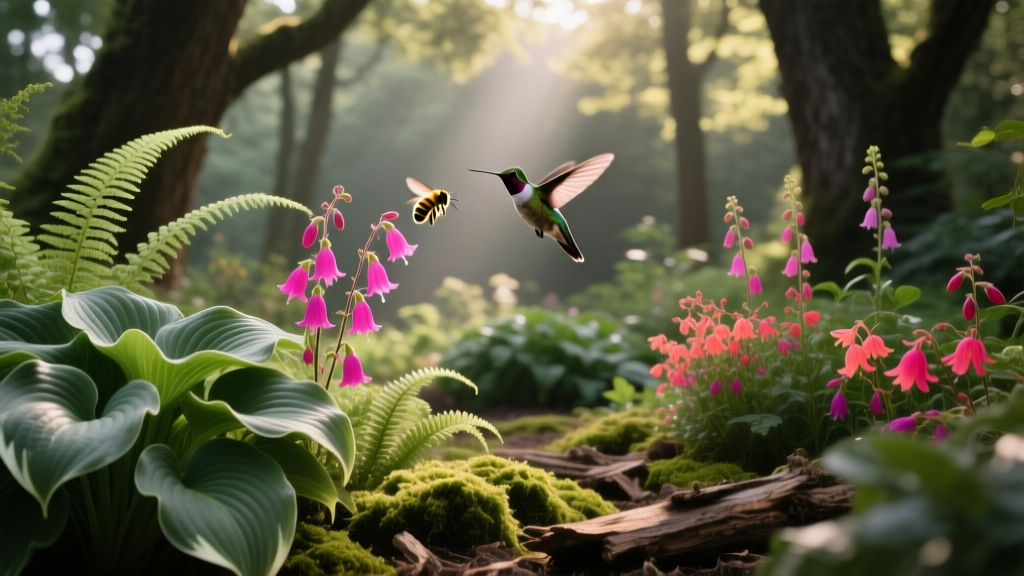
Pollinator-Friendly Shade Garden: Hosta, Fern & Coral Bells (2026)
Sarah ChenPublished
The 2026 Shift: Rethinking the Shade Garden
For decades, shade gardens were treated as the forgotten corners of the landscape—places where sun-loving pollinator plants simply could not survive. Homeowners often resigned themselves to sterile expanses of plain green foliage, missing out on the vibrant ecosystem that thrives in cooler, shaded microclimates. However, the 2026 gardening season marks a definitive shift toward climate-resilient, ecologically rich shade landscapes. As summer temperatures continue to break records, pollinators like native bees, butterflies, and hummingbirds actively seek out the cooler, sheltered environments that shade gardens provide.
Designing a shade garden that supports local wildlife does not require abandoning your favorite low-light plants. In fact, the classic combination of Hostas, Ferns, and Coral Bells (Heuchera) can be transformed into a pollinator powerhouse with the right cultivar selection and design strategy. According to the Xerces Society for Invertebrate Conservation, providing diverse floral resources and undisturbed nesting habitats in shaded areas is critical for supporting specialized native bee species and overwintering Lepidoptera. By reimagining the traditional hosta-fern-coral bells trio, you can create a lush, textured, and highly functional pollinator sanctuary right in your darkest yard spaces.
The Power Trio: Hostas, Coral Bells, and Ferns
To build a thriving shade ecosystem, we must look beyond mere foliage and focus on the bloom structures, nectar production, and habitat value of our plant choices. Here is how this classic trio functions in a modern pollinator garden.
Hostas: Beyond the Foliage
Hostas are often dismissed as purely ornamental foliage plants, but many varieties produce highly fragrant, nectar-rich flowers that are absolute magnets for pollinators. The key is selecting fragrant, late-blooming species. Hosta plantaginea, commonly known as the August Lily, produces large, intensely fragrant white blooms in late summer. These evening-blooming flowers are specifically adapted to attract nocturnal pollinators like sphinx moths, while also providing a crucial late-season nectar source for bumblebees and honeybees preparing for autumn. When planted in dappled shade, hostas offer broad, sheltering leaves that protect ground-nesting bees and foraging insects from heavy summer downpours.
Coral Bells (Heuchera): Hummingbird Magnets
Coral bells are the undisputed champions of the shade pollinator garden. Their delicate, bell-shaped flowers grow on tall, wiry panicles that rise above the mounding foliage. These tubular blooms are perfectly shaped for the long beaks of hummingbirds and the extended tongues of native bumblebees and solitary bees. In 2026, breeding programs have focused heavily on extending the bloom time and increasing the nectar volume of Heuchera cultivars. Varieties with vibrant red, coral, or deep pink flowers are particularly effective at drawing hummingbirds from miles away. Furthermore, the dense, semi-evergreen mounds of coral bells provide excellent overwintering shelter for beneficial insects and spiders, which form the foundation of a healthy garden food web.
Ferns: The Habitat Heroes
While ferns do not produce nectar-bearing flowers, their role in a pollinator-friendly shade garden cannot be overstated. The National Wildlife Federation emphasizes that pollinators need more than just food; they require secure habitats for nesting, mating, and sheltering from predators. Ferns, particularly native varieties like the Ostrich Fern (Matteuccia struthiopteris) and Christmas Fern (Polystichum acrostichoides), create dense, humid microclimates at the soil level. These fronds provide essential cover for overwintering bumblebee queens and serve as host plants for the caterpillars of several native moth species. The architectural height of ferns also creates vertical layering, allowing pollinators to navigate the garden safely.
2026 Cultivar Selection Guide
Not all hostas, ferns, and coral bells are created equal when it comes to wildlife value. The table below highlights the top-performing cultivars for the 2026 shade garden, focusing on bloom time, floral characteristics, and the specific pollinators they attract.
| Plant Type | Recommended Cultivar | Bloom Time | Flower Color | Primary Pollinators Attracted |
|---|---|---|---|---|
| Hosta | Hosta plantaginea 'Aphrodite' | Late Summer | White (Double) | Sphinx Moths, Honeybees, Bumblebees |
| Hosta | Hosta 'August Moon' | Mid-to-Late Summer | Pale Lavender | Sweat Bees, Hoverflies, Bumblebees |
| Coral Bells | Heuchera 'Fire Chief' | Spring to Early Summer | Coral/Pink | Humblingbirds, Long-tongued Bees |
| Coral Bells | Heuchera 'Palace Purple' | Early Summer | Cream/Pink | Native Solitary Bees, Butterflies |
| Fern | Matteuccia struthiopteris (Ostrich) | N/A (Spores) | N/A | Moth Caterpillars, Overwintering Queens |
| Fern | Polystichum acrostichoides (Christmas) | N/A (Spores) | N/A | Ground Beetles, Sheltering Insects |
Design Strategy and Soil Preparation
Creating a cohesive shade garden requires careful attention to soil biology and spatial arrangement. According to the University of Minnesota Extension, shade gardens often suffer from compacted soil and intense root competition from overhead trees. Proper soil preparation in early spring 2026 is essential to ensure your pollinator plants establish deep, drought-resistant root systems.
Soil Preparation for Shade Pollinators
Shade soils must be rich in organic matter to retain moisture without becoming waterlogged. Before planting, conduct a soil test to ensure your pH is between 6.0 and 7.0, which is optimal for the hosta-fern-heuchera trio. Amend the top 8 to 10 inches of soil with a 50/50 mix of native soil and high-quality, peat-free organic compost. Incorporating mycorrhizal fungi during planting is highly recommended this year, as it helps shade plants access nutrients in competitive tree-root zones, reducing the need for synthetic fertilizers that can harm soil-dwelling pollinator larvae.
Layering and Spacing
Pollinators navigate landscapes using visual cues and scent corridors. Design your garden in sweeping drifts rather than scattering single plants.
- Background Layer (Ferns): Plant Ostrich ferns 24 to 36 inches apart at the back of the border or under the dripline of trees. Their tall, vase-like fronds will reach 3 to 5 feet, providing a textured green backdrop and crucial vertical shelter.
- Midground Layer (Hostas): Space large hosta cultivars 30 to 48 inches apart in the center of the bed. Their broad leaves will knit together by mid-summer, suppressing weeds and creating a cool, humid canopy for ground-foraging bees.
- Foreground & Edging (Coral Bells): Plant Heuchera in groups of three or five, spaced 12 to 16 inches apart, along the front edges and pathways. This ensures their airy flower panicles catch the dappled sunlight, making them highly visible to passing hummingbirds.
Maintenance: Protecting the Ecosystem
A pollinator-friendly shade garden requires a different maintenance mindset than a traditional ornamental landscape. The goal is to foster a self-sustaining ecosystem where insects and plants coexist harmoniously.
The "Leave the Leaves" Protocol
In autumn, resist the urge to aggressively rake and bag fallen leaves from your shade garden. A light layer of shredded oak or maple leaves provides vital overwintering habitat for pupating butterflies, dormant bumblebee queens, and beneficial predatory insects. Coral bells and ferns benefit immensely from this natural leaf mulch, which insulates their shallow root systems against freeze-thaw cycles and slowly breaks down to feed the soil microbiome.
Pesticide-Free Management
Shade gardens are naturally more humid, which can occasionally invite slugs or fungal issues. However, broad-spectrum pesticides and synthetic slug baits are devastating to the very pollinators you are trying to attract. Instead, employ integrated pest management (IPM) techniques. Encourage ground beetles and toads by maintaining fern cover; these natural predators consume vast quantities of slugs. If fungal issues arise on your hostas, improve air circulation by thinning overcrowded clumps in early spring, and water only at the base of the plants using a drip irrigation system to keep the foliage dry.
Conclusion: A Sanctuary in the Shadows
The modern shade garden is no longer a barren afterthought. By intentionally combining the nectar-rich blooms of fragrant hostas, the hummingbird-attracting panicles of coral bells, and the protective, architectural fronds of native ferns, you can transform the darkest corners of your yard into a thriving biodiversity hotspot. As we move through the 2026 growing season, embracing these pollinator-friendly design principles ensures that your landscape not only looks stunning but also plays a vital role in supporting the fragile ecosystems that sustain our natural world.
