Gardening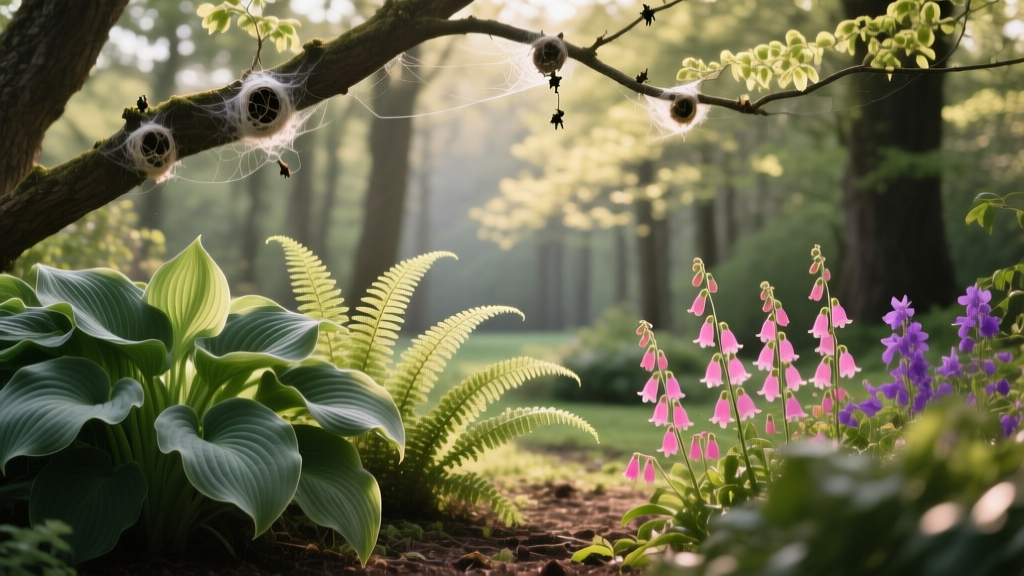
2026 Shade Garden Design: Hostas, Ferns & Webworm Canopy Control
James MillerPublished
The Illusion of Permanent Shade: Protecting Your Understory
Designing a lush, vibrant shade garden is one of the most rewarding endeavors for a home gardener. The classic combination of hostas, ferns, and coral bells (Heuchera) offers a masterclass in foliage contrast, texture, and year-round color. However, as we navigate the shifting climate patterns and extended warm seasons of 2026, shade garden enthusiasts are facing an escalating threat from above: tree webworms. Writing from the perspective of tree webworm control, it is crucial to understand that your understory plants are only as healthy as the canopy that shelters them.
When fall webworms (Hyphantria cunea) or Eastern tent caterpillars defoliate your shade trees, the sudden exposure to harsh, direct sunlight can scorch and destroy your carefully curated shade garden in a matter of days. A shade garden is not just about the plants in the soil; it is an interconnected microclimate. This comprehensive guide will explore how to design a resilient hosta, fern, and coral bell garden while implementing proactive webworm control strategies to protect your vital tree canopy.
Designing the Understory: The 2026 Shade Trio
Before we can protect the canopy, we must establish the understory. The trio of Hostas, Ferns, and Coral Bells remains the gold standard for shade gardens in 2026 due to their complementary growth habits and diverse visual appeal.
Hostas: The Structural Anchor
Hostas provide the architectural backbone of the shade garden. In 2026, giant varieties like Hosta 'Empress Wu' and striking variegated options like Hosta 'Halcyon' are top choices. They thrive in deep shade and create broad, sweeping drifts that suppress weeds and retain soil moisture.
Ferns: The Textural Contrast
To break up the broad, rounded leaves of the hostas, ferns introduce a delicate, feathery texture. The Ostrich Fern (Matteuccia struthiopteris) and the Autumn Fern (Dryopteris erythrosora) are exceptional choices. They unfurl gracefully in the spring and maintain their intricate fronds throughout the summer, provided the canopy remains intact to filter the midday sun.
Coral Bells: The Color Pop
Coral bells (Heuchera) are the jewelry of the shade garden. While hostas and ferns rely heavily on greens and blues, modern Heuchera cultivars offer brilliant purples, peaches, and limes. Varieties such as Heuchera 'Forever Purple' and Heuchera 'Dolce Peach Melba' provide year-round evergreen color in milder zones and brighten the darkest corners of the garden.
Planting Layout and Spacing Guide
| Plant Layer | Species / Cultivar | Spacing | Role in Design |
|---|---|---|---|
| Background | Hosta 'Empress Wu' | 36-48 inches | Structural Anchor & Weed Suppression |
| Midground | Ostrich Fern | 24-36 inches | Vertical Accent & Textural Contrast |
| Foreground | Heuchera 'Forever Purple' | 12-18 inches | Year-Round Color & Border Edging |
According to the University of Minnesota Extension, properly spacing these plants ensures adequate air circulation, which is vital for preventing foliar diseases in the humid, shaded environments these plants prefer.
The Canopy Threat: Why Webworms Destroy Shade Gardens
As a specialist in tree webworm control, I often see gardeners blame soil pH or watering schedules when their hostas suddenly bleach, crisp, and melt in late summer. The true culprit is often hundreds of feet above them. Fall webworms are notorious for building large, unsightly silk webs in the terminal branches of over 100 species of deciduous trees, including Ash, Walnut, Cherry, and Oak.
In 2026, warmer spring temperatures have accelerated the hatching cycles of many defoliating pests. While late-season defoliation might not kill a mature, established tree outright, the sudden loss of shade in late August and September is catastrophic for shade-loving perennials. When a webworm colony strips a major branch of its leaves, the dappled shade your garden relies on is instantly replaced by blistering, direct UV radiation. Hosta leaves will scorch within 48 hours, fern fronds will desiccate, and the vibrant foliage of coral bells will fade and burn.
Proactive Webworm Control Strategies for 2026
Protecting your shade garden requires a holistic approach to tree care. You cannot separate the health of the understory from the health of the canopy. Here are the most effective, environmentally responsible webworm control strategies for 2026.
1. Mechanical Removal and Pruning
The most immediate way to protect your canopy is physical removal. Fall webworms construct their nests at the very ends of branches. Using a telescoping pole pruner, you can easily snip off the webbed branches before the colony grows large enough to cause significant defoliation. Never attempt to burn the webs out of the tree with a torch; this causes severe damage to the tree's cambium layer and creates a massive fire hazard. Simply prune the affected branch tips and dispose of them in sealed yard waste bags.
2. Biological Controls: Bt Kurstaki
For larger trees where pruning is impossible, biological insecticides are your best defense. Bacillus thuringiensis var. kurstaki (Btk) is a naturally occurring soil bacterium that specifically targets the digestive systems of caterpillars while remaining completely harmless to beneficial insects, birds, pets, and your understory plants. The Iowa State University Extension recommends applying Btk when webs are still small and caterpillars are young. The webworms must ingest the treated leaves for the Btk to work, so thorough coverage of the foliage surrounding the web is essential.
3. Eco-Friendly Chemical Interventions
If a colony has matured and Btk is no longer effective, Spinosad is a highly recommended, reduced-risk organic pesticide for 2026. Derived from a naturally occurring soil actinomycete, Spinosad disrupts the insect's nervous system. It is highly effective against webworms and breaks down quickly in the environment, minimizing the impact on the broader garden ecosystem. Apply Spinosad in the late evening to avoid any potential contact with foraging pollinators, though it is generally safe once it has dried on the foliage.
4. Encouraging Natural Predators
A healthy 2026 garden ecosystem relies on natural predators. Birds such as chickadees, nuthatches, and orioles are voracious consumers of webworms. By tearing open the silk webs with a long stick or pole, you expose the caterpillars to these insectivorous birds, allowing nature to handle the pest control for you without introducing any chemicals to the garden.
Integrated Canopy and Understory Maintenance Calendar
To maintain the delicate balance between your shade trees and your hosta-fern-coral bell understory, follow this integrated maintenance schedule:
- Early Spring: Inspect the bark of your shade trees for Eastern tent caterpillar egg masses (which look like dark, foamy bands on twigs) and prune them out. Amend the understory soil with rich, organic compost to prepare the hostas and ferns for their spring flush.
- Early Summer: Monitor the lower branches of Ash, Walnut, and Oak trees for the first signs of fall webworm silk. Apply Btk at the first sign of infestation. Ensure your coral bells and ferns receive deep, infrequent watering to build drought resilience in case of temporary canopy thinning.
- Late Summer: Actively prune out any developing webworm nests. Check your hostas for signs of sun scald (bleached, papery patches on the leaves). If scald appears, inspect the tree canopy immediately for defoliation hot spots and intervene mechanically.
- Autumn: Rake and destroy fallen leaves from heavily infested trees to disrupt the life cycle of overwintering pests. Apply a 2-inch layer of shredded leaf mulch over your coral bells and ferns to insulate their root systems for the winter.
Conclusion
A breathtaking shade garden featuring the bold foliage of hostas, the delicate fronds of ferns, and the jewel-toned leaves of coral bells is a triumph of landscape design. However, the true foundation of this garden lies far above the soil line. By adopting a proactive tree webworm control strategy in 2026, you protect the vital canopy that creates the cool, humid microclimate your understory plants require to thrive. Remember that gardening is a three-dimensional endeavor; when you safeguard your trees from defoliating pests, you are ultimately preserving the shade, beauty, and resilience of the entire garden ecosystem below.
