
Landscaping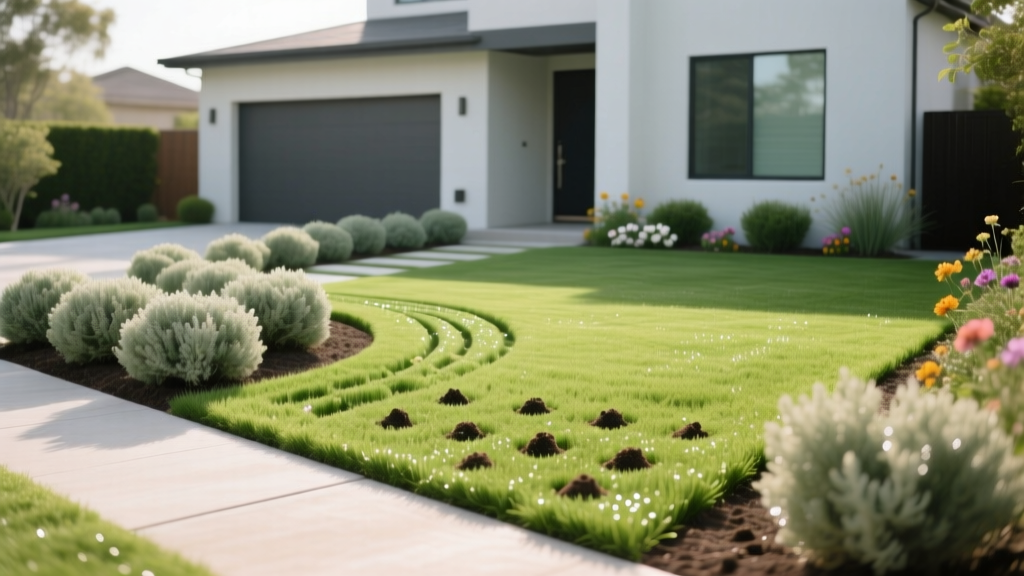
2026 Front Yard Makeover: Shrub Borders, Aeration & Seeding
Lisa ThompsonPublished
The 2026 Front Yard Makeover: Integrating Shrub Borders and Turf
As we navigate the 2026 landscaping season, the paradigm of front yard design has fundamentally shifted. Homeowners are moving away from high-maintenance, water-guzzling foundation plantings and rigid, labor-intensive garden beds. Instead, the modern curb appeal relies on the seamless integration of low-maintenance shrub borders and resilient, low-input turfgrass. However, a true front yard makeover is not just about what you plant in the beds; it is equally about how you manage the transition zone and the soil health of the adjacent lawn.
When you rip out overgrown, outdated shrubs and install a sleek, climate-adaptive border, the surrounding lawn often suffers from severe soil compaction due to years of foot traffic, heavy equipment, and poor grading. To achieve a cohesive, magazine-worthy front yard in 2026, you must pair your shrub border redesign with a rigorous core aeration and overseeding regimen. This comprehensive guide will walk you through the exact steps, product selections, and timing required to execute this dual-purpose landscaping project.
Designing the Low-Maintenance Shrub Border
Before you can aerate and seed, you must establish the hardscape and softscape boundaries of your new shrub border. In 2026, the most sustainable and visually striking borders utilize native or naturalized shrubs that require minimal pruning, resist local pests, and thrive on natural rainfall once established.
Top Shrub Choices for 2026 Borders
- Kodiak Black Diervilla (Diervilla rivularis): A powerhouse for foundation plantings, offering dark burgundy foliage that contrasts beautifully with green turf, while requiring almost zero supplemental watering.
- Low Scape Mound Aronia: Perfect for the front edge of the border, this compact shrub provides year-round interest with white spring flowers, summer berries, and brilliant red fall color, all while staying under two feet tall.
- Gem Box Inkberry Holly (Ilex glabra): An excellent, disease-resistant alternative to boxwood that maintains its dense, rounded habit without the need for constant shearing.
When designing the layout, ensure the border features a sweeping, natural curve rather than rigid, straight lines. Curves not only look more organic but also make mowing the adjacent turf significantly easier. Once the shrubs are planted, the critical next step is defining the edge between the new bed and the existing lawn.
The Intersection: Why Aeration is Critical Near New Beds
Installing a new shrub border involves digging, trenching, and moving soil. This process, combined with the historical compaction of the front yard, creates a hostile environment for turfgrass roots. According to the University of Minnesota Extension, core aeration is essential for alleviating soil compaction, reducing thatch buildup, and allowing oxygen, water, and nutrients to penetrate the root zone. This is especially vital in the transition zone immediately adjacent to your new shrub border, where soil is often heavily compacted from construction activity.
By pulling 3-inch soil plugs from the lawn, you create micro-environments that encourage deep root growth. This deep rooting is exactly what you need to create a drought-tolerant lawn that matches the low-maintenance ethos of your new shrub border. If you skip aeration and simply throw seed on top of compacted clay, your 2026 makeover will result in a thin, weedy lawn that detracts from your beautiful new plantings.
Selecting the Right Seed for a Low-Input Lawn
To complement a low-maintenance shrub border, your turfgrass must also be low-maintenance. In 2026, turf-type tall fescue (TTTF) blends and fine fescue mixtures dominate the market for their deep root systems, disease resistance, and reduced fertilizer requirements. Avoid traditional Kentucky Bluegrass for front yard makeovers unless you are prepared for high water and chemical inputs.
| Turfgrass Type | Drought Tolerance | Maintenance Level | Best Use Case in 2026 |
|---|---|---|---|
| Turf-Type Tall Fescue (TTTF) | Excellent | Low to Moderate | Full sun to partial shade; ideal for high-traffic front yards. |
| Fine Fescue Blend | Very Good | Very Low | Shady areas near large shrubs or trees; requires minimal mowing. |
| Improved Kentucky Bluegrass | Moderate | High | Only for premium, high-input lawns with automated irrigation. |
When purchasing seed, look for 2026-certified blends that include advanced endophyte technology. Endophytes are naturally occurring fungi that live inside the grass plant, providing systemic resistance against surface-feeding insects like chinch bugs and sod webworms, drastically reducing the need for chemical pesticides.
Step-by-Step Aeration and Overseeding Execution
Timing is everything. For cool-season grasses, the optimal window for this makeover is late summer to early fall (late August through September), when soil temperatures are warm enough for rapid germination, but air temperatures are cooling down, reducing heat stress on new seedlings.
Step 1: Edge and Trench the Border
Use a manual half-moon edger or a motorized bed edger to cut a clean, 4-inch deep trench along the boundary of your new shrub bed. Remove all turf and soil from the trench to create a physical barrier that prevents the lawn grass from creeping into your mulched shrub border. This clean line is the hallmark of professional landscaping.
Step 2: Core Aerate the Turf
Rent a commercial-grade core aerator. Water the lawn deeply 24 hours before aerating to ensure the tines can penetrate the soil and pull substantial plugs. Run the aerator over the entire front yard, making two passes in perpendicular directions over the most heavily compacted areas near the sidewalk and the new shrub beds. Leave the soil plugs on the lawn; they will break down and return beneficial microbes to the surface.
Step 3: Amend and Overseed
Immediately after aeration, apply a high-quality compost top-dressing (about 1/4 inch thick) across the lawn, sweeping it into the aeration holes. Follow this with your TTTF or Fine Fescue seed at a rate of 6 to 8 pounds per 1,000 square feet for overseeding. Use a broadcast spreader for even distribution, ensuring seed falls into the aeration holes for perfect seed-to-soil contact.
Step 4: Fertilize and Protect
Apply a starter fertilizer containing mesotrione. Mesotrione is a game-changer for 2026 lawn renovations; it prevents weed seeds (like crabgrass and broadleaf weeds) from germinating without harming your new grass seedlings. This eliminates the need to wait weeks to apply pre-emergent herbicides, keeping your new lawn pristine.
Mulching the Beds Without Smothering the Seed
A common mistake during front yard makeovers is allowing mulch from the shrub beds to spill over into the freshly seeded lawn, which can smother grass seedlings and introduce weed seeds to the turf. When mulching your new low-maintenance shrub border, use a coarse, aged hardwood bark or pine bark nuggets. These heavier mulches are less likely to wash away during heavy rains or the frequent, light waterings required for new grass seed.
Keep the mulch at least two inches away from the base of the newly planted shrubs to prevent stem rot, and ensure it sits slightly below the grade of the adjacent lawn trench. This creates a subtle containment lip that keeps mulch in the bed and water flowing toward the turf's root zone.
Cost Breakdown: 2026 Front Yard Renovation Estimates
Budgeting accurately is crucial for a successful landscaping project. Below is an estimated cost breakdown for a standard 1,000-square-foot front yard makeover, combining shrub border installation with lawn aeration and seeding.
| Project Component | Estimated Cost (2026) | Notes |
|---|---|---|
| Shrub Material (5-7 large shrubs) | $250 - $450 | Varies by nursery and shrub maturity (3-gallon vs. 5-gallon). |
| Compost & Mulch | $120 - $180 | Bulk delivery is more cost-effective than bagged products. |
| Core Aerator Rental (1 Day) | $85 - $120 | Commercial walk-behind aerator from a local equipment rental yard. |
| Premium Seed & Starter Fertilizer | $90 - $140 | Invest in certified, endophyte-enhanced seed and mesotrione fertilizer. |
| Edging Tools & Misc Supplies | $50 - $80 | Includes edging blades, landscape pins, and marking paint. |
Long-Term Care and Sustainable Practices
Once the seed has germinated and the new shrubs are settling in, your maintenance routine should reflect the sustainable goals of your 2026 redesign. The Environmental Protection Agency (EPA) strongly advocates for water-efficient landscaping practices, noting that grouping plants with similar water needs and maintaining healthy, aerated soil can reduce outdoor water use by up to 50 percent.
For your new lawn, adopt the "mow high and let it lie" strategy. Set your mower deck to 3.5 or 4 inches. Taller grass shades the soil, reducing evaporation and naturally suppressing weed germination. Leave the clippings on the lawn to return nitrogen to the soil. For your shrub border, rely on the coarse mulch to retain moisture, only supplementing with deep, infrequent watering during extreme summer droughts.
By treating the lawn and the garden bed as a single, interconnected ecosystem, your front yard makeover will not only elevate your home's curb appeal but also save you countless hours of maintenance. The synergy between a beautifully defined, low-maintenance shrub border and a thick, deeply rooted, aerated lawn is the ultimate hallmark of modern, intelligent landscaping.

