Home & Garden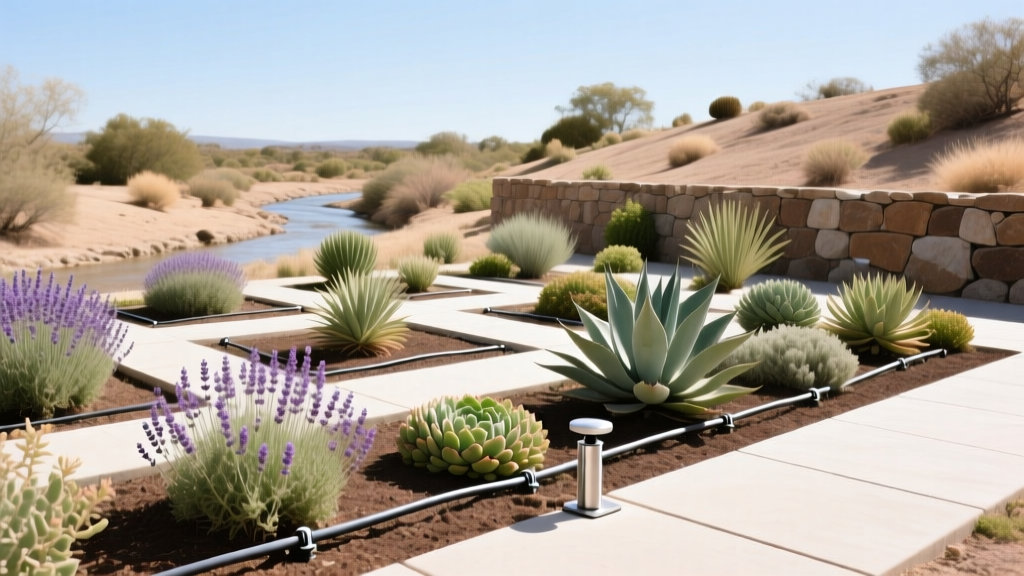
Smart Drip Irrigation Upgrades for Drought-Proof Gardens
David ParkPublished
The Urgent Shift to Water-Wise Landscaping
As climate patterns shift and drought conditions become a recurring reality across many regions, homeowners are fundamentally rethinking their outdoor living spaces. The traditional, water-thirsty turf lawn is rapidly being replaced by xeriscaping, native plant gardens, and drought-tolerant hardscapes. However, transitioning to a water-wise garden is only half the battle; how you deliver water to those plants dictates your true environmental impact and monthly utility bills. According to the Environmental Protection Agency (EPA) WaterSense program, outdoor water use can account for up to 60% of a household's total water consumption in arid climates. Upgrading to a smart drip irrigation system is the most effective, actionable step a homeowner can take to bridge the gap between beautiful landscaping and aggressive water conservation.
Why Smart Drip Irrigation Beats Traditional Sprinklers
Traditional spray-head sprinklers are notoriously inefficient. They broadcast water through the air, leading to massive losses from wind drift and evaporation before the moisture ever reaches the soil. Furthermore, spray systems often water non-target areas like driveways, sidewalks, and weed-prone bare soil, wasting precious resources.
Drip irrigation, by contrast, applies water directly to the base of the plant at a slow, measured rate. This targeted approach minimizes evaporation and eliminates runoff. When you pair drip tubing with a smart Wi-Fi-enabled controller, the system automatically adjusts watering schedules based on real-time local weather data, soil moisture levels, and evapotranspiration (ET) rates.
The Role of Evapotranspiration (ET)
ET is the sum of evaporation from the land surface and transpiration from plants. Smart controllers like the Rachio 3 or Orbit B-hyve Pro use local weather stations to calculate daily ET. If a heatwave is approaching, the system might increase watering slightly; if rain is forecasted, it will automatically skip the scheduled cycle. This dynamic adjustment ensures your drought-tolerant plants receive exactly what they need, preventing the root rot that often plagues xeriscaped gardens when they are accidentally overwatered by rigid, traditional mechanical timers.
Essential Components of a Smart Drip System
To build a robust, drought-proof irrigation network, you need more than just a hose and a timer. Here are the critical components required for a professional-grade residential setup:
1. Wi-Fi Enabled Smart Controllers
Devices like the Rachio 3 Smart Sprinkler Controller (approx. $229) or the Orbit B-hyve XR (approx. $179) replace your outdated mechanical dial timer. These EPA WaterSense-certified controllers connect to your home network and use hyper-local weather intelligence to automate your zones, ensuring you never water during a rainstorm or freeze event.
2. Pressure Regulators and Filters
Drip emitters are designed to operate at low pressure, typically between 15 and 30 PSI. Standard household water pressure ranges from 40 to 80 PSI, which will blow apart drip fittings and cause misting. Installing a 25-PSI pressure regulator combined with a 200-mesh filter at the hose bibb or manifold is non-negotiable to protect your system from high pressure and debris clogging.
3. Drip Emitters and Micro-Sprayers
For individual shrubs and trees, use pressure-compensating (PC) button emitters. PC emitters deliver a consistent flow rate regardless of pressure fluctuations or elevation changes in your yard. Choose 0.5 Gallons Per Hour (GPH) emitters for small perennials and 2.0 GPH emitters for established trees. For groundcover or dense native flower beds, inline drip tubing (where emitters are factory-installed every 12 inches inside the pipe) provides uniform coverage.
4. Soil Moisture Sensors and Rain Shutoff Devices
While smart controllers use weather data, a physical soil moisture sensor (like the Hunter Soil Clik) measures the actual volumetric water content in the root zone. Wired directly to the smart controller's sensor terminals, it overrides the schedule if the soil is already saturated, providing a crucial fail-safe against overwatering during unpredictable micro-climate rain showers.
Cost and ROI: Smart Drip vs. Traditional Sprinklers
Investing in smart technology and drip components carries an upfront cost, but the return on investment (ROI) is realized quickly through slashed water bills and reduced plant replacement costs. The following table compares a standard 500-square-foot garden bed using traditional spray versus a smart drip upgrade.
| Feature | Traditional Spray System | Smart Drip System |
|---|---|---|
| Water Application Efficiency | 60% - 75% | 90% - 95% |
| Evaporation & Wind Loss | High (up to 40%) | Negligible (under 5%) |
| Weed Germination Rate | High (widespread moisture) | Low (targeted root zones only) |
| Upfront Material Cost (500 sq ft) | $150 - $250 | $300 - $450 (includes smart hub) |
| Estimated Annual Water Savings | Baseline | 30% - 50% reduction vs. spray |
Step-by-Step Installation Guide for DIYers
Converting a zone from spray to drip is a manageable weekend project. Follow these steps for a seamless transition:
Step 1: Cap the Old Spray Heads
Do not simply unscrew the spray nozzles; you must cap the risers. Use 1/2-inch PVC or polyurethane caps to seal off the old spray heads. Leave one spray head active at the very end of the line to act as a flush valve for future maintenance.
Step 2: Install the Manifold and Regulator
At the zone's primary water source, install a backflow preventer, a 200-mesh filter, and a 25-PSI pressure regulator. Connect a 1/2-inch polyethylene mainline tubing to the regulator using a compression fitting.
Step 3: Lay the Mainline and Distribution Tubing
Unroll the 1/2-inch mainline tubing and let it sit in the sun for 30 minutes; the heat makes the polyethylene pliable and easier to work with. Run the mainline along the perimeter of your garden beds. Use 1/4-inch micro-tubing to branch off the mainline and reach individual plants.
Step 4: Punch and Connect Emitters
Use a specialized drip punch tool to create clean holes in the 1/2-inch tubing. Insert barbed connectors and attach your micro-tubing and PC emitters. Place emitters in a ring around the drip line (the outer edge of the plant's canopy) rather than directly against the trunk, encouraging outward root growth and drought resilience.
Step 5: Program the Smart Controller
Connect your smart controller to your Wi-Fi network. Group your drip zones separately from any remaining turf zones. Drip systems require longer run times but fewer watering days. For example, instead of watering for 10 minutes daily, program the drip zone to run for 45 minutes twice a week, promoting deep, drought-resistant root systems.
Maintenance Tips for Peak Efficiency
A water-wise garden requires mindful maintenance. According to experts at the University of California Agriculture and Natural Resources, drip systems are highly efficient but susceptible to specific issues if neglected.
- Monthly Flushing: Open the flush valve at the end of your mainline tubing once a month to blast out accumulated sediment and mineral deposits.
- Seasonal Adjustments: Even with a smart controller, physically inspect your emitters at the start of spring and late fall. Look for gecko damage, rodent chewing, or calcium buildup that restricts flow.
- Mulch Integration: Cover your drip lines with 2 to 3 inches of organic wood mulch. This hides the unsightly tubing, protects the polyethylene from UV degradation, and further reduces soil surface evaporation by up to 70%.
Conclusion
Embracing water-wise landscaping does not mean sacrificing a lush, vibrant outdoor living space. By integrating smart drip irrigation, pressure regulation, and soil moisture monitoring, you create a resilient ecosystem capable of surviving severe droughts while minimizing your environmental footprint. As water restrictions become more common, these upgrades not only future-proof your garden but also align your home with the cutting edge of sustainable, energy-efficient landscaping. For more regional advice on plant selection and water conservation, consult resources like Texas A&M AgriLife Extension's Water Conservation programs, which offer invaluable data on native, drought-tolerant species and irrigation best practices.
