Home & Garden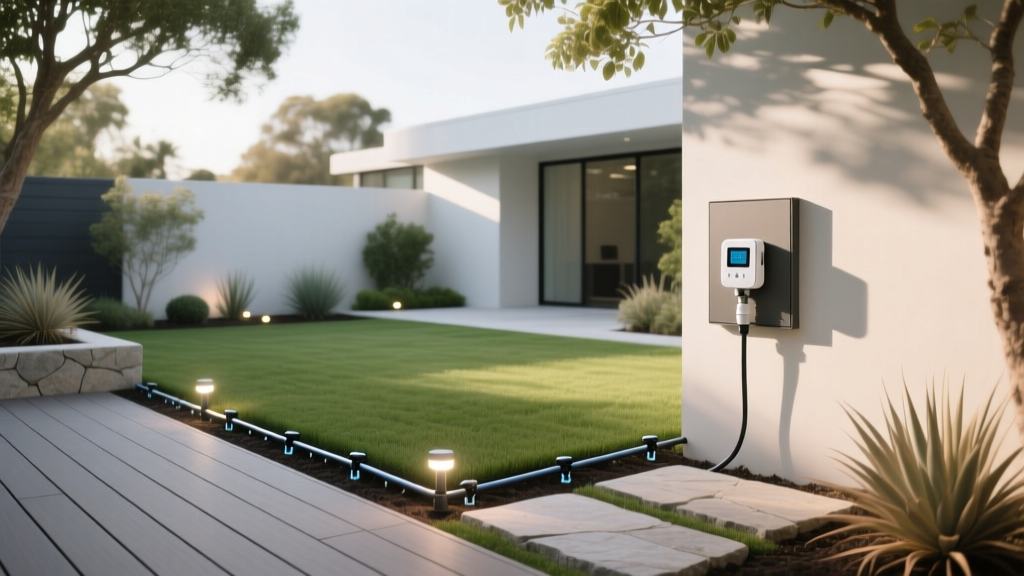
Smart Garden Automation: Irrigation And Lighting Guide
Robert HayesPublished
The Rise of the Connected Outdoor Space
The modern home extends far beyond the four walls of its interior, seamlessly blending indoor comfort with outdoor functionality. As homeowners seek to maximize their living space, the garden and lawn have evolved into critical extensions of the smart home ecosystem. Bridging the gap between energy-efficient landscaping and cutting-edge technology, smart home automation for irrigation and lighting offers unprecedented control over your outdoor environment. By integrating weather-responsive sprinkler systems and automated LED landscape lighting, you can cultivate a thriving garden while drastically reducing water waste and electricity costs.
According to the Environmental Protection Agency (EPA) WaterSense program, outdoor water use accounts for nearly 30 percent of total household water consumption, with more than half of that water wasted due to evaporation, wind, or overwatering. Smart automation directly combats this inefficiency. In this comprehensive guide, we will explore how to select, install, and integrate smart irrigation controllers and landscape lighting to create a fully automated, eco-friendly, and visually stunning outdoor oasis.
Smart Irrigation: Precision Watering for a Healthier Lawn
Traditional timer-based sprinkler systems operate on rigid schedules, completely oblivious to the actual needs of your soil or the current weather conditions. Smart irrigation controllers replace these outdated timers with intelligent hubs that adjust watering schedules in real-time. There are two primary types of smart irrigation technologies available on the market today: Weather-Based Evapotranspiration (ET) controllers and Soil Moisture Sensor (SMS) systems.
Weather-Based Evapotranspiration (ET) Controllers
ET controllers, such as the highly rated Rachio 3 or the Orbit B-hyve, utilize local weather data—either via Wi-Fi connections to hyper-local weather stations or through on-site sensors—to calculate the exact amount of water your lawn needs. Evapotranspiration is the sum of evaporation from the soil and transpiration from plants. By monitoring variables like temperature, humidity, solar radiation, and wind speed, these controllers automatically skip watering cycles before, during, and after rain events. The EPA notes that WaterSense labeled smart irrigation controllers can save the average home nearly 7,600 gallons of water annually.
Soil Moisture Sensor (SMS) Systems
While weather-based controllers look to the sky, soil moisture sensors look to the ground. SMS devices are buried directly in the root zone of your lawn or garden beds. They measure the actual volumetric water content of the soil and override the irrigation controller if the moisture level is above a user-defined threshold. This is particularly effective for microclimates within your yard, such as heavily shaded areas that retain moisture longer or sandy soils that drain exceptionally fast.
| Feature | Weather-Based (ET) Controllers | Soil Moisture Sensors (SMS) |
|---|---|---|
| Primary Data Source | Local weather stations and forecasts | Direct soil volumetric water content |
| Best Use Case | Large lawns with uniform sun exposure | Garden beds, shaded areas, and microclimates |
| Installation Difficulty | Low (Indoor/Outdoor hub replacement) | Moderate (Requires burying sensors in zones) |
| Average Cost | $150 - $250 | $50 - $100 per sensor zone |
Smart Landscape Lighting: Ambiance Meets Energy Efficiency
A well-lit garden enhances home security, extends usable outdoor hours, and highlights architectural and botanical features. However, leaving traditional halogen or incandescent landscape lights on a simple dusk-to-dawn photocell can lead to massive energy waste. The U.S. Department of Energy strongly recommends transitioning to LED fixtures paired with smart controls to maximize outdoor energy efficiency.
Hub-Based Ecosystems vs. Wi-Fi Pathway Lights
When designing a smart outdoor lighting scheme, you generally have two paths. The first involves low-voltage LED transformer systems paired with smart transformers or smart relays (like the Brilliant Lighting Control or a smart plug rated for outdoor transformer use). This allows you to control an entire run of pathway and spotlights simultaneously.
The second path utilizes individual Wi-Fi or Bluetooth-enabled fixtures, such as the Philips Hue Call bollard or Ring Smart Lighting Pathway lights. These individual fixtures offer granular control, allowing you to change the color temperature of specific lights to highlight a Japanese maple tree while keeping pathway lights a crisp, cool white for safe navigation. Furthermore, smart lighting systems can be programmed to dim to 30 percent brightness at midnight, drastically reducing light pollution and saving electricity without compromising security.
Integrating Irrigation and Lighting into a Unified Smart Home
The true magic of smart home automation occurs when disparate systems communicate and react to shared triggers. By bringing your smart irrigation and landscape lighting into a unified ecosystem—such as Apple HomeKit, Amazon Alexa, Google Home, or the new Matter smart home standard—you can create powerful, automated routines that require zero daily intervention.
Practical Automation Routines for the Garden
- The "Rain Delay & Ambiance" Routine: If your smart irrigation controller detects a 70 percent chance of local precipitation, it automatically cancels the morning watering cycle. Simultaneously, it triggers your smart lighting hub to turn on the patio string lights and set the garden spotlights to a cozy "stormy day" warm white hue, preparing the covered patio for afternoon use.
- Geofenced Security & Maintenance: Using your smartphone's location services, the system detects when the last family member leaves the property. The irrigation system is permitted to run its mid-day cycle for the sun-baked front lawn (which would normally be interrupted by foot traffic), while the landscape lighting arms itself, turning on motion-activated floodlights if any movement is detected near the garden shed.
- Seasonal Shift Automation: As the autumnal equinox approaches and daylight hours shorten, smart systems automatically adjust the lighting "on" times earlier in the evening. Concurrently, the irrigation controller's seasonal shift algorithm reduces overall watering duration by 20 percent to account for decreased evapotranspiration rates, preventing root rot in cooling soil.
Cost Analysis and Return on Investment
Upfront costs for smart outdoor automation can seem daunting, but the return on investment (ROI) is realized through utility savings, plant replacement prevention, and increased property value. Below is a typical cost breakdown for a standard quarter-acre suburban lot.
| Component | Estimated Cost | Annual Savings / Value |
|---|---|---|
| Smart ET Irrigation Controller (8-Zone) | $220 | $100 - $150 (Water bill reduction) |
| Soil Moisture Sensors (2 Zones) | $120 | Prevents $300+ in plant replacement |
| Smart Low-Voltage LED Transformer | $180 | $60 - $90 (Electricity reduction) |
| Smart LED Pathway Lights (Set of 6) | $350 | Longevity (50,000 hrs vs 2,000 hrs) |
| Total Estimated Investment | $870 | Pays for itself in 3-5 years |
Additionally, many local municipalities and water districts offer substantial rebates for installing WaterSense certified smart irrigation controllers, sometimes covering up to 50 percent of the hardware cost. Always check with your local utility provider before purchasing.
Installation Best Practices and Maintenance
To ensure your smart outdoor systems function flawlessly year-round, proper installation and seasonal maintenance are crucial. When installing smart irrigation controllers, ensure the Wi-Fi signal reaches the installation site. If your controller is housed in a detached garage or a metal shed, consider installing a Wi-Fi extender or a hardwired Ethernet connection to prevent dropouts during critical firmware updates or weather-fetching cycles.
For smart landscape lighting, pay close attention to IP (Ingress Protection) ratings. Any fixture or smart plug exposed to the elements must carry an IP65 rating or higher to withstand heavy rain and dust. Furthermore, while smart controllers handle the scheduling, you must still perform physical maintenance: clean sprinkler heads of debris, flush drip irrigation lines annually, and wipe down landscape lighting lenses to maintain optimal lumen output.
Conclusion
Transforming your garden into a smart, automated ecosystem is one of the most rewarding home improvement projects you can undertake. By replacing dumb timers with intelligent, weather-aware irrigation controllers and swapping out halogen bulbs for smart LED landscape lighting, you bridge the gap between ecological responsibility and modern convenience. Whether you are looking to nurture a delicate garden-to-table vegetable patch or simply want your outdoor entertaining space to light up automatically as you pull into the driveway, smart home automation puts the ultimate control right in the palm of your hand.
