Pest Control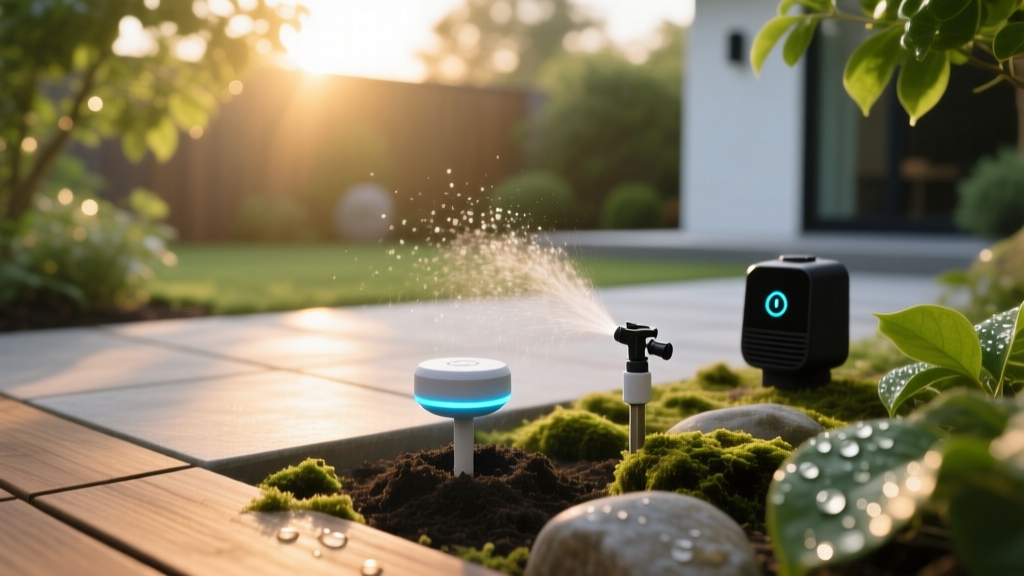
Smart Home Automation For Effective Yard Pest Control
Sarah ChenPublished
The Intersection of Smart Home Tech and Integrated Pest Management
When most homeowners think of pest control, they picture chemical sprays, granular treatments, and manual traps. However, the modern approach to lawn and garden care has evolved significantly. Integrated Pest Management (IPM) now heavily leverages smart home automation and Internet of Things (IoT) devices to create environments that are naturally hostile to pests. By automating your yard's infrastructure, you can eliminate the root causes of infestations—such as excess moisture and improper lighting—before they ever become a problem.
Smart home technology allows you to monitor and control your outdoor environment with pinpoint accuracy. Instead of reacting to a mosquito outbreak or a fungus gnat invasion, smart devices help you proactively manage the microclimates in your garden. From weather-adaptive smart sprinklers to automated insect traps and AI-driven security cameras, automating your yard is one of the most effective, eco-friendly ways to protect your landscape.
The Moisture-Pest Connection: Smart Irrigation Systems
Overwatering is the single most common landscaping mistake, and it is also a primary catalyst for pest infestations. Excess moisture creates ideal breeding grounds for a variety of insects and promotes fungal diseases that attract pests. According to the Environmental Protection Agency (EPA), smart irrigation controllers can reduce outdoor water use by up to 50% while maintaining optimal plant health. More importantly for pest control, these devices prevent the puddling and soil saturation that pests rely on to reproduce.
Preventing Mosquito Breeding Grounds
Mosquitoes are notorious for breeding in standing water. Even a small puddle left behind by an inefficient sprinkler system can hatch hundreds of mosquitoes in a matter of days. The Centers for Disease Control and Prevention (CDC) notes that mosquitoes can complete their life cycle in as little as four days when standing water is present and temperatures are warm. Smart sprinkler controllers, such as the Rachio 3 or Orbit B-hyve, use local weather data, evapotranspiration (ET) rates, and soil type inputs to calculate the exact amount of water your lawn needs. By programming your smart controller with accurate slope and soil drainage data, the system will automatically split watering times into shorter cycles (cycle and soak), allowing water to absorb fully and eliminating the surface runoff and puddling that mosquitoes need to breed.
Stopping Fungus Gnats and Root Rot
In garden beds and potted plants, excess moisture leads to fungus gnats. These tiny, annoying insects lay their eggs in the top layer of damp soil. Penn State Extension highlights that fungus gnat larvae thrive in moist, organic-rich environments and can cause severe damage to plant roots. To combat this, you can integrate IoT soil moisture sensors, like the Ecowitt WH51 or Xiaomi Flora, into your smart home ecosystem. By placing these probes in your garden beds or large planters, you can set up automations via platforms like Home Assistant, IFTTT, or Apple HomeKit. If the soil moisture level exceeds 60%, the smart system can automatically shut off your drip irrigation valves or send a push notification to your phone, ensuring the soil dries out sufficiently to kill gnat larvae and eggs.
Smart Lighting: Repelling Insects with Automation
Traditional outdoor lighting acts as a beacon for night-flying insects, drawing mosquitoes, moths, and beetles directly to your patio and home entryways. Insects are highly attracted to the ultraviolet (UV) and blue light spectrums emitted by standard incandescent and cool-white LED bulbs. Smart lighting systems, such as Philips Hue or Wyze Bulbs, offer a brilliant automated solution to this problem.
By scheduling your smart outdoor lights to shift to a warm amber, yellow, or red hue after sunset, you can drastically reduce insect attraction. Insects cannot see light in the red and warm amber spectrums as effectively, meaning your patio remains illuminated for human use without acting as a magnet for pests. You can create automated routines that trigger these color changes based on your local sunset time, ensuring your outdoor living spaces remain comfortable and bug-free all evening without you ever having to flip a switch.
Comparison Chart: Traditional vs. Smart Pest Prevention
Understanding the shift from reactive chemical treatments to proactive smart home automation highlights the long-term benefits of upgrading your yard's infrastructure.
| Feature | Traditional Pest Control | Smart / Automated Pest Control |
|---|---|---|
| Moisture Management | Manual timer-based sprinklers; prone to overwatering and puddling. | Weather-adaptive controllers and IoT soil sensors; prevents standing water. |
| Mosquito Prevention | Chemical foggers and larvicides applied after pests are spotted. | Automated cycle-and-soak watering schedules eliminate breeding grounds. |
| Lighting Attraction | Standard white/yellow bug lights left on all night. | Smart bulbs automatically shift to insect-repelling amber hues at dusk. |
| Trap Management | Manual checking and emptying of sticky traps and bait stations. | Smart plugs automate UV/CO2 traps at peak feeding hours and send alerts. |
| Environmental Impact | High reliance on broad-spectrum chemical pesticides. | Zero-chemical prevention through environmental modification (IPM). |
Automating Traps and Repellents with Smart Plugs
For pests that cannot be entirely deterred by moisture and lighting control, automated traps offer a hands-off solution. Devices like the DynaTrap or various CO2-based mosquito traps are highly effective, but they are often left running 24/7, wasting electricity and reducing the lifespan of their UV bulbs and fans. By plugging these traps into outdoor-rated smart plugs, such as the Kasa Outdoor Smart Plug or Wyze Plug Outdoor, you can automate their operation.
Mosquitoes and many other biting insects are most active at dawn and dusk. You can program your smart plugs to turn the traps on exactly one hour before sunset and turn them off one hour after sunrise. Furthermore, if you use a smart plug with energy monitoring capabilities, you can set up alerts to notify you when the trap's power draw changes, which often indicates that the collection basket is full or the UV bulb needs replacing. This ensures your traps are always operating at peak efficiency during the exact hours when pest activity is highest.
AI Cameras for Rodent and Wildlife Deterrence
While insects are a major nuisance, larger pests like deer, rabbits, and rodents can decimate a garden overnight. Modern smart home security cameras equipped with AI person, animal, and vehicle detection—such as those from Ring, Arlo, or Eufy—can be repurposed for garden pest control. When the camera's AI detects the specific profile of a deer or a raccoon entering your garden zone, it can trigger an automated response.
Through smart home routines, an animal detection event can automatically turn on bright floodlights, trigger a smart sprinkler valve to pulse water for ten seconds, or play a pre-recorded predator sound through an outdoor smart speaker. This startles the animal and conditions them to avoid your property, providing a humane, non-lethal, and highly effective automated deterrent that protects your prized plants without the need for physical fencing or chemical repellents.
Cost vs. Benefit Analysis
Investing in smart home automation for pest control requires an upfront financial commitment, but the long-term savings are substantial. A high-quality smart irrigation controller costs between $150 and $250, while a multi-pack of smart soil sensors and outdoor smart plugs can add another $100 to your budget. However, when you factor in the reduced water bills, the elimination of expensive seasonal chemical treatments, and the replacement of damaged plants, the return on investment is typically realized within the first two years. More importantly, you gain the peace of mind that comes with a healthier, more resilient landscape that naturally defends itself against pests through intelligent, automated environmental management.