Pest Control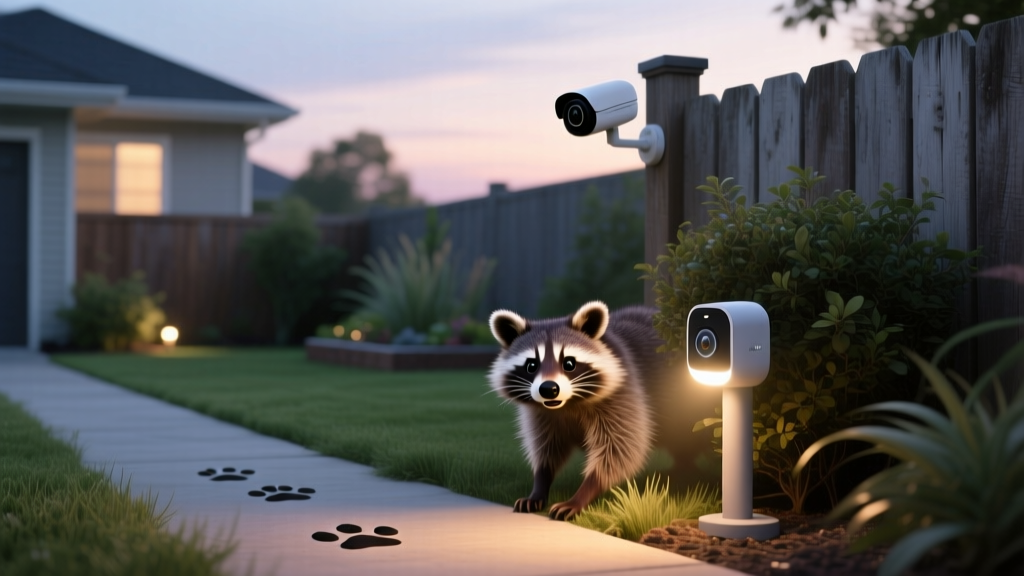
Smart Home Automation for Nocturnal Garden Pest Control
Emily WatsonPublished
Nocturnal pests—ranging from foraging deer and digging skunks to raiding raccoons and burrowing rodents—can turn a meticulously maintained lawn and garden into a devastated landscape by sunrise. For decades, homeowners have relied on static deterrents like plastic owls, reflective tape, and chemical repellents to protect their outdoor spaces. However, these traditional methods often yield temporary results at best. Today, the intersection of landscaping and technology offers a superior solution: smart home automation. By leveraging Internet of Things (IoT) devices, AI-powered cameras, and automated irrigation systems, you can create a dynamic, unpredictable environment that humanely deters wildlife without harming your lawn or the ecosystem.
The Habituation Problem in Traditional Pest Control
To understand why smart automation is so effective, we must first understand animal psychology. Wildlife species are highly adaptable. When a raccoon or deer encounters a static scarecrow or a continuous ultrasonic noise emitter, they initially experience a startle response. However, once they realize the stimulus poses no actual physical threat, they undergo a process called habituation. They learn to ignore the deterrent and return to feeding on your prized hostas or tearing up your grub-rich turf.
According to the Internet Center for Wildlife Damage Management (ICWDM), animals quickly habituate to static visual and auditory deterrents, rendering them useless within a matter of days. The key to long-term wildlife management is unpredictability. Smart home technology excels in this arena by allowing you to randomize deterrent triggers, combine multiple sensory stimuli (light, sound, and water), and target specific animal behaviors using artificial intelligence.
Essential Smart Home Hardware for the Garden
Building an automated pest control perimeter requires a network of interconnected devices. Here are the core components you need to integrate into your smart home ecosystem (such as Samsung SmartThings, Apple HomeKit, or Amazon Alexa).
1. AI-Powered Outdoor Security Cameras
Standard motion-activated floodlights often trigger false alarms from swaying tree branches or passing cars, which wastes energy and annoys neighbors. Modern smart cameras utilize on-device AI to differentiate between humans, vehicles, and specific animals. Devices like the Wyze Cam v3 (approx. $35) or the Ring Stick Up Cam Battery (approx. $99) offer customizable motion zones and animal detection alerts. By placing these cameras at key entry points—such as garden gates or the edge of the woods—you create the "eyes" of your automated defense system.
2. Smart Outdoor Lighting Systems
Once an animal is detected, sudden changes in illumination can trigger a flight response. Instead of leaving a porch light on all night (which contributes to light pollution and actually attracts certain insects and pests), use smart lighting systems like Philips Hue Outdoor or Ring Smart Lighting. These systems allow you to program sudden brightness spikes, color changes, or strobing effects that startle nocturnal foragers. Because the lighting is controlled via a hub, you can randomize the patterns so the animals never learn the sequence.
3. Smart Irrigation Controllers
Water is one of the most effective, non-toxic deterrents for mammals like deer, raccoons, and stray cats. A smart sprinkler controller, such as the Orbit B-hyve (approx. $50) or Rachio 3 (approx. $200), can be integrated into your pest control routine. Rather than watering on a fixed schedule, you can dedicate a specific "defense zone" sprinkler head aimed at a vulnerable garden bed, ready to be triggered on demand.
Designing Your Automated Deterrence Routines
The true power of smart home pest control lies in automation platforms like IFTTT (If This Then That) or native hub routines. By linking your devices, you can create a multi-sensory startle sequence that prevents habituation. Here is an example of a highly effective, automated nocturnal defense routine:
- Trigger (IF): The outdoor AI camera detects an animal in "Zone A" (the vegetable garden perimeter) between the hours of 9:00 PM and 5:00 AM.
- Action 1 (THEN): Smart path lights immediately switch from a dim amber glow to 100% bright, cool-white strobe for 15 seconds.
- Action 2 (THEN): The smart irrigation controller activates "Valve 4" (the garden border sprinkler) for exactly 30 seconds, delivering a sudden burst of water.
- Action 3 (THEN): A smart outdoor speaker (like a Sonos Move or weatherproof Bluetooth speaker linked to an Alexa routine) plays a sudden, loud predatory sound (e.g., a barking dog or a coyote howl) or a sharp ultrasonic frequency.
- Reset: The system resets to standby mode, but logs the event to your smartphone so you can review the camera footage and adjust motion zones if necessary.
This combination of sudden light, physical water contact, and auditory disruption overwhelms the animal's senses, triggering an immediate flight response without causing physical harm. Because the routine can be programmed to randomize the order of these actions (e.g., water first, then sound, then light), the wildlife cannot predict the outcome, effectively preventing habituation.
Cost and Effectiveness Comparison
How does a smart home setup compare to traditional pest control methods over a multi-year period? The following table breaks down the investment, maintenance, and long-term efficacy of various approaches.
| Deterrent Method | Initial Cost | Annual Maintenance | Habituation Risk | Environmental Impact |
|---|---|---|---|---|
| Chemical Repellents (Sprays/Granules) | $20 - $50 | $150+ (Reapplication) | High (Washes away) | Moderate (Runoff risks) |
| Static Scare Devices (Owls/Tape) | $15 - $40 | $0 | Very High (Days) | Low (Plastic waste) |
| Motion-Activated Sprinkler (Standalone) | $40 - $70 | $10 (Batteries/Winterizing) | Moderate | Low (Water usage) |
| Integrated Smart Home Automation | $200 - $450 | $30 (Cloud storage/Electricity) | Very Low (Randomized) | Low (Targeted water/light) |
While the upfront cost of smart home integration is higher, the elimination of recurring chemical purchases and the drastic reduction in landscape damage often result in a positive return on investment within the first two growing seasons.
Integrating IPM and Environmental Stewardship
Using technology to manage wildlife aligns perfectly with the principles of Integrated Pest Management (IPM). The Environmental Protection Agency (EPA) advocates for IPM as a strategy that focuses on long-term prevention of pests through a combination of techniques such as biological control, habitat manipulation, and modification of cultural practices, reserving chemical interventions only as a last resort. Smart automation serves as an advanced form of habitat manipulation and behavioral modification, allowing homeowners to protect their lawns without introducing toxic rodenticides or harsh chemical repellents into the local food web.
However, environmental stewardship also means considering the impact of your smart devices on the broader ecosystem. Light pollution is a growing concern that disrupts the circadian rhythms of local wildlife, including beneficial pollinators and migratory birds. To mitigate this, program your smart outdoor lights to emit amber or red hues during normal evening hours, as these wavelengths are less disruptive to nocturnal wildlife. Reserve the harsh, cool-white strobing effects strictly for the brief moments when an animal breach is detected by your cameras.
Long-Term Maintenance and Seasonal Adjustments
As seasons change, so do the behaviors and types of pests targeting your yard. Spring may bring foraging deer looking for fresh shoots, while autumn might attract rodents seeking winter nesting grounds in your shed or under your deck. For comprehensive guidelines on seasonal wildlife behavior and humane deterrence, refer to the USDA APHIS Wildlife Services, which provides extensive data on regional wildlife patterns.
To maintain your smart system's effectiveness, perform a seasonal audit of your automation routines. In the spring, adjust your camera's motion zones to account for new foliage growth that might trigger false alerts. In the late fall, ensure your smart irrigation valves are properly winterized and blown out to prevent freezing, and pivot your automation routines to rely more heavily on smart lighting and auditory deterrents until the spring thaw. By treating your smart home ecosystem as a dynamic, living component of your landscape management strategy, you can enjoy a pristine, pest-free lawn year-round while coexisting peacefully with local wildlife.