Home & Garden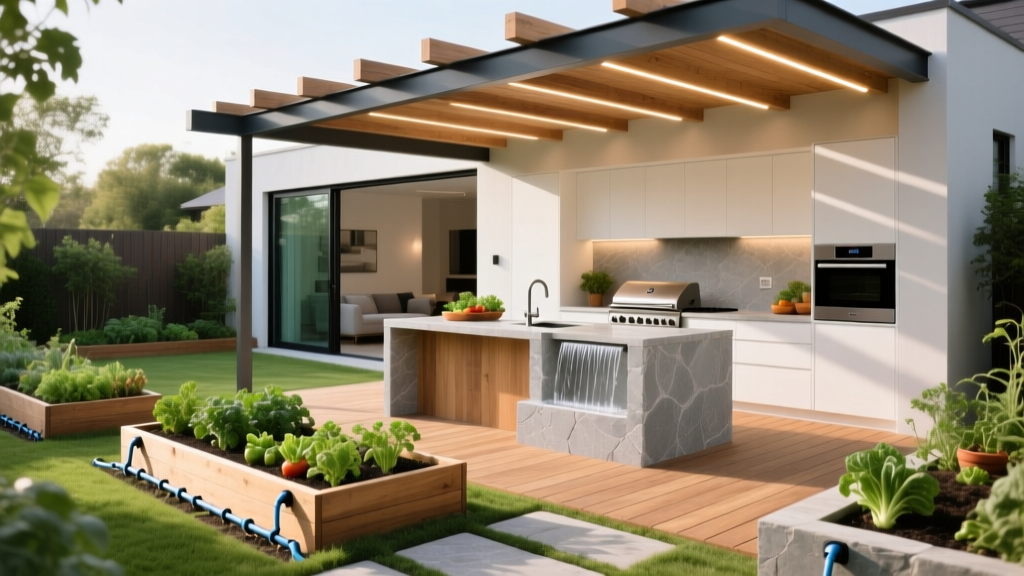
Designing a Smart Indoor-Outdoor Kitchen Garden Patio
Sarah ChenPublished
The Rise of the Indoor-Outdoor Kitchen Garden
The modern home is no longer confined to its interior walls. Homeowners are increasingly seeking ways to blur the lines between indoor comfort and outdoor vitality, creating spaces that serve both as entertainment hubs and functional extensions of the house. One of the most rewarding ways to achieve this is by designing an indoor-outdoor kitchen garden patio. This concept bridges the gap between garden-to-table cooking, smart home integration, and energy-efficient landscaping. By thoughtfully planning your outdoor culinary and garden space, you can cultivate fresh herbs and vegetables just steps away from your prep station, all while utilizing smart technology to minimize water waste and energy consumption. Whether you are renovating an existing backyard or planning a new build, understanding the principles of spatial flow, material durability, and technological integration is crucial for a successful project.
Planning the Layout: Zones and Flow
Planning the layout requires a strategic approach to zoning and flow. The goal is to create a seamless transition from the indoor kitchen to the outdoor patio. Start by installing large, multi-panel sliding glass doors or a folding glass wall system. These architectural elements physically remove the barrier between inside and outside, allowing natural light to flood the interior while expanding your usable square footage. When measuring your outdoor space, allocate at least 150 square feet for the primary cooking and dining zone, ensuring there is a minimum of 36 inches of clearance around all appliances and walkways for safe and comfortable traffic flow.
The Prep and Cooking Zone
The prep and cooking zone should be constructed with weather-resistant, low-maintenance materials. Marine-grade 304 stainless steel is the industry standard for outdoor cabinetry and appliances due to its exceptional resistance to rust and corrosion. For countertops, avoid porous natural stones like marble, which can stain from acidic garden-to-table ingredients like tomatoes and lemons. Instead, opt for sintered stone or high-quality porcelain slabs. These materials can withstand extreme temperature fluctuations, direct UV exposure, and the heat of outdoor pizza ovens or built-in gas grills without cracking or fading.
The Garden-to-Table Harvest Zone
The garden-to-table harvest zone should be positioned to maximize both convenience and sunlight. Most edible plants require a minimum of six to eight hours of direct sunlight per day. Design raised cedar or galvanized steel planter beds at a height of 24 to 30 inches. This elevation not only provides excellent drainage and warms the soil faster in the spring but also serves as a natural boundary wall for your patio. Incorporate vertical gardening elements, such as stainless steel trellises or living walls, to grow climbing crops like pole beans, cucumbers, and indeterminate tomatoes. This saves valuable ground space and creates a lush, green privacy screen that enhances the outdoor living experience.
When planning your edible landscape, consider these top companion planting pairings for your raised beds:
- Tomatoes and Basil: A classic culinary pairing that also benefits from companion planting, as basil can help repel certain pests that target tomato plants.
- Peppers and Cilantro: Both thrive in similar warm, well-drained soil conditions and are essential for fresh salsas prepared right on the outdoor counter.
- Zucchini and Nasturtiums: Nasturtiums act as a trap crop for aphids, protecting your squash while providing edible, peppery flowers for summer salads.
Integrating Smart Home Technology
To truly bridge the gap between indoor convenience and outdoor maintenance, your patio design must include smart home integration. Automating your garden's irrigation and lighting systems ensures that your edible landscape thrives with minimal manual intervention, saving you time, water, and money.
Smart Irrigation for the Edible Garden
According to the Environmental Protection Agency (EPA), smart irrigation controllers can significantly reduce outdoor water use by adjusting watering schedules based on local weather conditions and soil moisture levels. Traditional timers often overwater, leading to root rot in delicate herbs and wasting thousands of gallons of water annually. By integrating a Wi-Fi-enabled smart controller into your home automation system, you can monitor and adjust your garden's hydration directly from your smartphone, whether you are inside the kitchen or away on vacation.
| Feature | Weather-Based Controllers | Soil Moisture Sensors |
|---|---|---|
| Data Source | Local weather stations and ET data | Direct soil probes in garden beds |
| Best For | Large lawns and general landscaping | Precise garden-to-table raised beds |
| Accuracy | High (macro-level) | Very High (micro-level) |
| Installation | Simple (replaces indoor timer) | Moderate (requires burying probes) |
Pair your smart controller with a drip irrigation system equipped with inline emitters. Drip irrigation delivers water directly to the root zone of your vegetables and herbs, reducing evaporation and preventing fungal diseases that occur when foliage is left wet by overhead sprinklers.
Energy-Efficient Outdoor Lighting
Proper illumination extends the usability of your outdoor kitchen well into the evening while highlighting the beauty of your edible garden. The U.S. Department of Energy highly recommends utilizing LED fixtures for all outdoor lighting applications due to their superior energy efficiency, longevity, and durability in harsh weather conditions. Plan a layered lighting scheme: use bright, focused LED task lighting (4000K color temperature) over the grill and prep counters for safe cooking; install dimmable, warm ambient string lights (2700K) over the dining area to create an inviting atmosphere; and employ low-voltage LED uplighting to accentuate the architectural foliage of fruit trees or the texture of your living walls. Integrating these fixtures with a smart lighting hub allows you to set automated schedules or trigger scenes via voice commands as you carry fresh ingredients from the garden to the grill.
Material Selection and Budgeting
Creating a cohesive indoor-outdoor space requires careful material selection that complements your interior design while surviving the elements. Flooring is a critical component. To create a visual continuum, use large-format porcelain pavers that mimic the look of your interior hardwood or stone floors. Porcelain is virtually impervious to water, frost-proof, and highly resistant to scratching and staining from dropped food or garden tools.
Budgeting for a high-end smart outdoor kitchen and garden patio typically ranges from $35,000 to $85,000, depending on the complexity of the appliances, hardscaping, and smart technology integration. To optimize costs without sacrificing quality, prioritize spending on permanent, structural elements like the patio foundation, weatherproof cabinetry, and smart irrigation infrastructure. You can phase in decorative elements, specialized garden planters, and premium outdoor furniture over time.
Seasonal Maintenance and Planning
A successful garden-to-table patio requires year-round planning and seasonal maintenance. Resources like the United States Department of Agriculture (USDA) provide extensive guidelines on crop rotation, soil health, and regional planting zones, which are essential for maximizing your edible garden's yield. In the spring, amend your raised beds with organic compost and set up your smart irrigation schedules. During the peak summer harvest, your outdoor kitchen becomes the epicenter of culinary activity, allowing you to process and cook fresh produce immediately. In the autumn, transition to cold-weather crops like kale, spinach, and root vegetables, and consider adding a patio heater or a fire pit to extend the outdoor dining season. Finally, winterize your smart irrigation system by blowing out the drip lines with compressed air to prevent freeze damage, and cover your stainless steel appliances with custom-fitted, breathable canvas covers to protect them from winter storms.
Conclusion
Designing a smart indoor-outdoor kitchen garden patio is a transformative investment that enhances your lifestyle, increases your property value, and promotes sustainable living. By combining thoughtful spatial planning, durable materials, and cutting-edge smart home technology, you create a dynamic environment where the joy of gardening and the art of cooking seamlessly converge.
