Home & Garden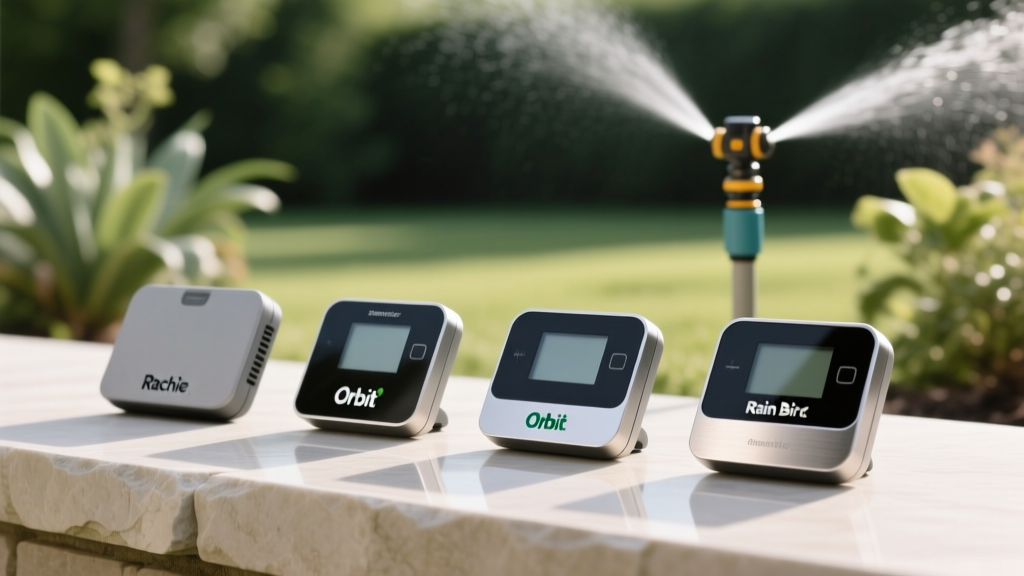
Top Smart Irrigation Controllers: 2024 Product Review
Emily WatsonPublished
The Evolution of Outdoor Watering
Smart home tech has slowly made its way outside — and the old mechanical sprinkler timer is fading fast. Homeowners are looking for ways to cut down on water waste and lower utility bills, and smart irrigation controllers are stepping in. These WiFi-enabled devices pull in real-time weather data, soil moisture readings, and evapotranspiration (ET) rates to adjust watering automatically. We tested several top models and compared them side by side to help you pick one that fits your yard, your budget, and how much time you want to spend managing it.
Why Upgrade to a Smart Sprinkler Controller?
Outdoor water use makes up about 30% of total household water consumption, according to the U.S. Environmental Protection Agency (EPA). In dry areas, that number often climbs above 60%.
'Smart irrigation controllers that earn the WaterSense label use local weather and landscape conditions to tailor watering schedules. Replacing a standard clock timer with a WaterSense labeled smart controller can save the average home nearly 7,600 gallons of water annually.'
— U.S. EPA WaterSense Program
A WaterSense-certified smart controller helps avoid overwatering — which can weaken grass roots, encourage fungus, and wash nutrients away. Many also work with Amazon Alexa, Google Home, and Apple HomeKit, so you can control your sprinklers from the same app or voice assistant you use indoors.
Top 3 Smart Sprinkler Controllers Compared
We tested the most popular smart irrigation controllers based on app performance, weather algorithm accuracy, ease of installation, and value. Here’s how they compare.
1. Rachio 3 Smart Sprinkler Controller (Best Overall)
The Rachio 3 is the model most people reach for first. It comes in 8-zone and 16-zone versions and is built for hands-off operation. Its Weather Intelligence Plus feature pulls data from more than 150,000 personal weather stations to adjust for rain, wind, freezing temps, and humidity.
Key Specifications:
- Price: Approximately $229 (8-zone) / $279 (16-zone)
- Connectivity: 2.4 GHz and 5 GHz WiFi
- Installation Time: 30 to 45 minutes
- WaterSense Certified: Yes
Pros:
- Weather data is hyperlocal and updates frequently.
- Supports both 2.4 GHz and 5 GHz WiFi, so it works with most modern routers.
- The 'Cycle and Soak' feature helps prevent runoff on clay soil or sloped lawns.
- Plays well with IFTTT and major smart home platforms.
Cons:
- It’s pricier than other options.
- No screen or manual controls — everything happens through the app.
2. Orbit B-hyve Smart Indoor/Outdoor Controller (Best Budget)
The Orbit B-hyve gives you smart features at a lower price. It comes in indoor (6-zone) and outdoor-rated (12-zone) versions. The outdoor model holds up well outside — think garages, sheds, or mounted on an exterior wall. It uses Orbit’s WeatherSense tech to adjust watering based on local forecasts.
Key Specifications:
- Price: Approximately $119 (6-zone indoor) / $169 (12-zone outdoor)
- Connectivity: 2.4 GHz WiFi only
- Installation Time: 45 to 60 minutes
- WaterSense Certified: Yes
Pros:
- A solid entry point if you’re new to smart irrigation.
- Has a small LCD screen and physical buttons — handy if your WiFi goes out.
- The outdoor version is rugged, lockable, and weatherproof.
Cons:
- Only works on 2.4 GHz WiFi, which can be tricky with newer mesh systems.
- The app feels less polished than Rachio’s — navigation isn’t as smooth.
3. Rain Bird ST8I-2.0 Smart Indoor WiFi Timer (Best for Traditionalists)
Rain Bird has been making irrigation gear for decades, and the ST8I-2.0 keeps things familiar. This 8-zone controller looks and operates like a classic Rain Bird dial timer — but with WiFi tucked inside. If you’re replacing an older Rain Bird unit, you can reuse the same wires and mounting holes.
Key Specifications:
- Price: Approximately $105 (8-zone)
- Connectivity: 2.4 GHz WiFi
- Installation Time: 20 to 30 minutes (if replacing an older Rain Bird unit)
- WaterSense Certified: Yes
Pros:
- You get a physical dial and push-button interface — no phone required for basic changes.
- Fits right into older Rain Bird setups, saving time and effort.
- Uses a sturdy transformer and reliable internal parts.
Cons:
- Weather adjustments are simpler — it uses seasonal percentages instead of daily ET calculations.
- No outdoor-rated version in this line.
Feature Comparison Chart
We put the top three models head to head to make differences easier to spot.
| Feature | Rachio 3 | Orbit B-hyve | Rain Bird ST8I-2.0 |
|---|---|---|---|
| Retail Price (8-Zone) | $229 | $139 (8-zone indoor) | $105 |
| WiFi Band Support | 2.4 GHz & 5 GHz | 2.4 GHz Only | 2.4 GHz Only |
| Weather Algorithm | Hyperlocal (Weather Intelligence Plus) | Local Forecast (WeatherSense) | Basic Seasonal Adjust |
| Physical Interface | LED Indicators Only | LCD Screen & Buttons | Traditional Dial & Screen |
| Cycle and Soak | Advanced / Automated | Manual Setup Required | Manual Setup Required |
| Smart Home Integration | Alexa, Google, Apple, IFTTT | Alexa, Google | Alexa, Google |
| Installation Difficulty | Easy (Color-coded app guide) | Moderate | Very Easy (Legacy fit) |
Actionable Installation and Setup Tips
No matter which controller you choose, getting it installed and set up right matters. A few small steps go a long way toward saving water and keeping your lawn healthy.
1. Verify Your WiFi Signal and Frequency
Most smart controllers — especially the Orbit and Rain Bird models — need a 2.4 GHz signal. Many routers broadcast both 2.4 GHz and 5 GHz under the same network name. Before installing, check your WiFi strength where the controller will live — like your garage or utility closet. If the signal is weak, a WiFi extender might help. If the controller loses connection, it falls back to a basic schedule and won’t save water like it should.
2. Label Your Wires Before Disconnecting
Before pulling off your old controller, snap a clear photo of the wiring terminals. Better yet, use painter’s tape and a fine-tip marker to label each wire with its zone number. Most smart controllers include a wiring template, but having a visual backup saves time and frustration later.
3. Configure Soil Types and Slope Management
During setup, the app will ask about soil type, sun exposure, and plant type for each zone. Take a minute to answer accurately. Clay soil absorbs water slowly — around 0.2 inches per hour. If your sprinklers deliver 1.5 inches per hour, most of that water runs off. Use the 'Cycle and Soak' feature to break up watering: four 5-minute sessions instead of one 20-minute session lets water soak in between cycles.
Final Verdict: Which Controller is Right for Your Lawn?
Your best choice depends on your budget, comfort level with tech, and what’s already in your yard. The Rachio 3 stands out for accuracy, automation, and smart home compatibility — and if you have clay soil or a steep slope, its Cycle and Soak feature really helps. The Orbit B-hyve is a strong pick if you want smart features without spending more than $170 — especially if you need something rated for outdoor use or like having physical controls. And if you’re swapping out an aging Rain Bird timer, the Rain Bird ST8I-2.0 gets you online in under half an hour, using the same holes and wires. Any of these WaterSense-certified controllers will cut water use, lower your bill, and keep your yard green with less guesswork.
