Home & Garden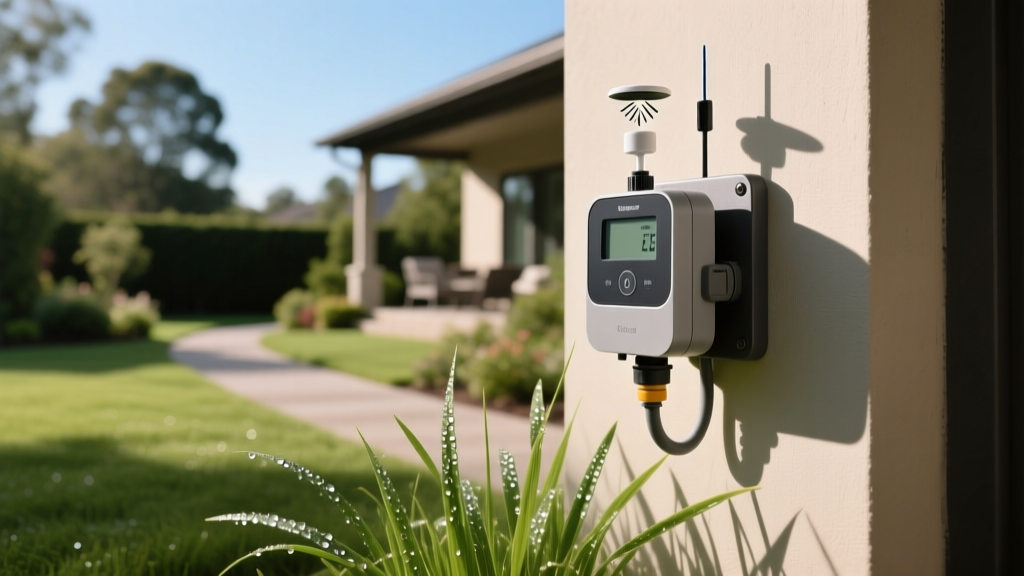
Smart Irrigation Controllers: Automate and Save Water Outdoors
Anna KowalskiPublished
Bridging the gap between indoor comfort and outdoor vitality is the ultimate goal of modern home automation. While smart thermostats and lighting have become household staples, the landscape outside your window often remains stuck in the past. Traditional sprinkler timers operate on rigid, dumb schedules, watering your lawn during torrential downpours or scorching midday heat. Enter the smart irrigation controller: a Wi-Fi-enabled hub that transforms your garden into a responsive, data-driven ecosystem. By integrating local weather data, soil conditions, and smart home routines, these devices ensure your lawn receives exactly what it needs, precisely when it needs it.
The Hidden Costs of Traditional Irrigation
Most legacy irrigation systems rely on mechanical or basic digital timers. You set the days and minutes, and the system obeys blindly. This 'set-it-and-forget-it' approach is inherently flawed. It ignores seasonal shifts, microclimates, and unexpected rainfall. The result? Massive water waste, shallow root systems, and fungal diseases caused by overwatering. According to the U.S. Environmental Protection Agency (EPA) WaterSense program, an average home with an automatic landscape irrigation system can waste up to 25,000 gallons of water annually due to inefficiencies and outdated scheduling. This not only drives up your utility bills but also puts unnecessary strain on municipal water supplies, especially in drought-prone regions.
The Science of Evapotranspiration (ET)
To understand why smart controllers are so effective, you must understand Evapotranspiration (ET). ET is the sum of evaporation from the soil and transpiration from plants. It represents the exact amount of water your lawn loses to the atmosphere based on current temperature, humidity, wind speed, and solar radiation. Smart weather-based controllers connect to local weather stations via Wi-Fi to calculate daily ET rates. If your lawn loses 0.2 inches of water to a hot, windy Tuesday, the controller automatically schedules just enough irrigation to replace that exact deficit on Wednesday morning. This precision eliminates the guesswork and promotes deep, drought-resistant root growth.
Top Smart Irrigation Controllers Compared
Choosing the right hardware depends on your landscape's complexity, your budget, and your preferred smart home ecosystem. Below is a comparison of the industry's leading smart controllers.
| Feature | Rachio 3 | Orbit B-hyve | Netro Sprite |
|---|---|---|---|
| Zones Supported | 8 or 16 | 6 to 12 | 12 |
| Weather Intelligence | Hyper-local (Weather Intelligence Plus) | WeatherSense (Local station data) | AI-driven historical & forecast data |
| Smart Home Integration | Alexa, Google, Apple HomeKit, IFTTT | Alexa, Google | Alexa, Google |
| Best For | Advanced automation & Apple users | Budget-conscious DIYers | Set-and-forget AI scheduling |
| Average Cost | $229 - $279 | $99 - $149 | $169 |
Step-by-Step Guide to Upgrading Your System
Installing a smart controller is a highly rewarding weekend DIY project. Most models are designed for direct replacement of legacy units. Here is a structured guide to getting your system online.
Step 1: Audit and Map Your Zones
Before removing your old controller, turn on each zone manually and document what each valve controls. Note the plant type (turf, shrubs, drip), sun exposure (full sun, deep shade), and soil type (clay, loam, sand). This data is critical for the app setup phase.
Step 2: Wiring the New Hub
Turn off the power to your irrigation system at the breaker. Label every wire connected to your old controller using painter's tape. Most smart controllers require a common wire (C-wire) for continuous power. If your legacy system lacks a C-wire, you may need to purchase a 24V AC transformer or a smart controller power adapter.
Step 3: App Configuration and Zone Customization
Mount the new controller, restore power, and connect it to your 2.4GHz Wi-Fi network. Input the zone data you gathered in Step 1. The software will use this information to generate customized watering schedules, applying shorter, more frequent cycles for clay soils to prevent runoff, and longer, deeper soaks for sandy soils.
Smart Home Integration and Automation
The true power of a smart irrigation system is unlocked when it communicates with the rest of your home. By leveraging platforms like IFTTT (If This Then That), SmartThings, or native voice assistants, you can create sophisticated outdoor routines.
- Geofencing Routines: Set your irrigation to pause automatically if you are hosting a backyard barbecue. If your phone's GPS detects you are home during a scheduled watering window, the system will delay the cycle until you leave.
- Wind and Freeze Skips: While rain skips are standard, advanced integrations allow you to halt watering if local wind speeds exceed 15 mph (preventing water waste from wind drift) or if temperatures drop near freezing (preventing icy walkways).
- Push Notifications: Receive an alert on your smartwatch if the controller detects a wiring fault or a sudden drop in water pressure, which could indicate a busted sprinkler head or a leaking mainline.
Maximizing Efficiency with Soil Moisture Sensors
While weather-based ET data is incredibly accurate, it cannot measure what is happening beneath the surface. For the ultimate automated setup, pair your smart controller with wireless soil moisture sensors. Placed in the root zone of your most problematic garden beds, these sensors provide ground-truth data. The Irrigation Association frequently highlights that combining weather-based controllers with on-site soil sensors represents the gold standard in landscape water management, ensuring that microclimates—like a shaded bed next to a retaining wall—are not overwatered by generalized neighborhood weather data.
'Smart water management is no longer a luxury; it is a necessity for modern landscape stewardship. By integrating real-time environmental data, homeowners can reduce outdoor water use by up to 50% without sacrificing turf health.' — Industry Best Practices for Smart Irrigation.
Financial ROI and Municipal Rebates
The upfront cost of a smart controller (typically between $150 and $300) is often offset by rapid utility savings and local incentives. Because outdoor water use accounts for nearly 30% of total household water consumption in the U.S., reducing waste yields immediate financial returns. Furthermore, many municipalities and local water districts offer aggressive rebate programs to incentivize the adoption of WaterSense-labeled smart controllers. In some drought-impacted areas of California and the Southwest, rebates can cover up to 100% of the hardware cost. Always check with your local water provider or visit resources like Water Use It Wisely to find active conservation rebate programs in your zip code before purchasing.
Conclusion
Automating your outdoor irrigation is a cornerstone of the modern smart home. It frees you from the burden of manual timer adjustments, protects your landscape from the extremes of weather, and positions your household as a responsible steward of local water resources. Whether you opt for the advanced ecosystem integration of the Rachio 3 or the budget-friendly automation of the Orbit B-hyve, upgrading to a smart controller is a high-impact project that pays dividends in both lawn health and long-term utility savings.
