Home & Garden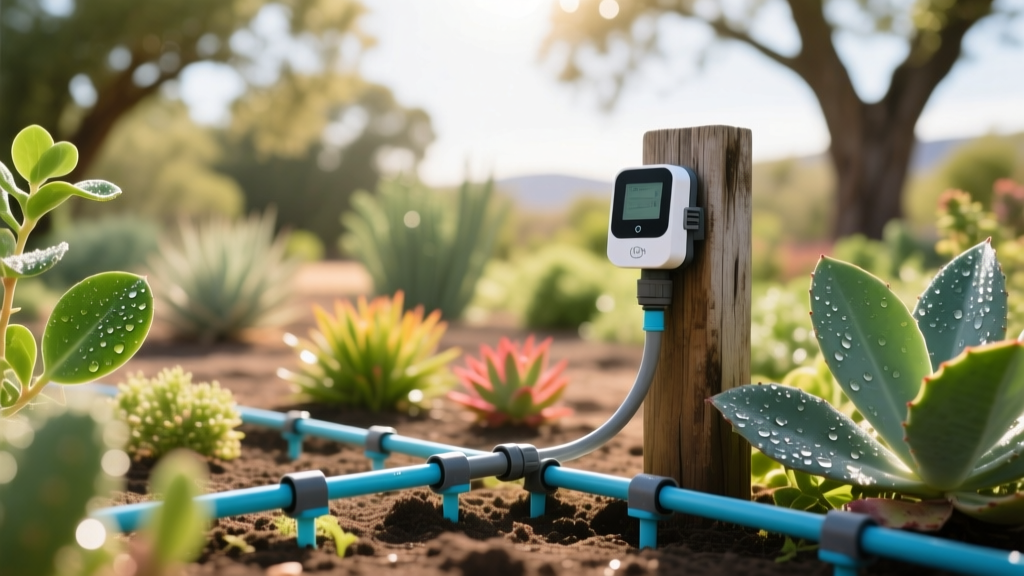
Smart Irrigation and Drip Systems for Drought Gardens
Emily WatsonPublished
The Hidden Inefficiencies of Traditional Sprinklers
As climate patterns shift and drought conditions become a recurring challenge for homeowners across the globe, maintaining a lush, productive outdoor space requires a strategic pivot. The traditional approach of setting a timer and letting sprinklers run on a fixed schedule is no longer viable. Water restrictions, soaring utility bills, and environmental stewardship demand a more intelligent approach to landscaping. Bridging the gap between smart home technology and sustainable gardening, water-wise irrigation solutions offer a lifeline for your lawn, ornamental beds, and garden-to-table vegetable patches.
Traditional overhead sprinkler systems were designed for convenience, not conservation. When water is sprayed into the air, it is immediately subjected to environmental variables that severely reduce its efficacy. Wind drift can carry up to twenty percent of your water onto driveways, sidewalks, and neighboring properties. Furthermore, evaporation accounts for massive losses, particularly during the midday hours when automatic timers often trigger. According to the EPA WaterSense program, the average American family uses more than 320 gallons of water per day, with nearly thirty percent dedicated to outdoor uses. In arid regions, this figure can easily exceed fifty percent.
Traditional sprinklers also encourage shallow root systems. Because the water is applied rapidly and broadly, it often runs off compacted soil before it can penetrate deeply. Shallow roots make turf and plants highly susceptible to heat stress and drought, creating a vicious cycle where homeowners feel compelled to water more frequently, exacerbating the waste.
The Brain of the Operation: Smart Irrigation Controllers
The cornerstone of any water-wise landscape is the smart irrigation controller. Unlike standard timers that operate on a rigid schedule regardless of the weather, smart controllers utilize real-time data to make precise watering decisions. There are two primary types of smart controllers: weather-based (Evapotranspiration or ET controllers) and soil moisture sensor-based.
Weather-based controllers connect to your home Wi-Fi and pull local meteorological data, including temperature, humidity, solar radiation, and wind speed. They calculate the exact rate of evapotranspiration—the amount of water lost from the soil and plant leaves—and adjust the watering duration accordingly. If a rainstorm is forecasted, or if the soil already retains sufficient moisture from morning dew, the system automatically skips the scheduled cycle.
Leading models like the Rachio 3 (retailing around $229) and the Orbit B-hyve (around $119) offer intuitive smartphone apps that allow you to monitor water usage, receive freeze or rain delay notifications, and customize zones based on plant type, sun exposure, and soil composition. The EPA WaterSense label identifies controllers that have been independently certified to save water without sacrificing landscape health. Upgrading to a WaterSense-labeled smart controller can save the average home nearly 7,600 gallons of water annually, translating to significant financial returns on your utility bill.
Drip Irrigation: Delivering Water Directly to the Roots
While smart controllers dictate when and how long to water, the delivery method dictates where the water goes. Drip irrigation is the undisputed champion of drought-resilient landscaping. By utilizing a network of flexible polyethylene tubing and low-flow emitters, drip systems deliver water drop by drop directly to the base of the plant or the root zone.
This targeted approach boasts an application efficiency of ninety percent or higher, compared to the fifty to sixty percent efficiency of traditional spray heads. According to experts at the Texas A&M AgriLife Extension, drip irrigation minimizes evaporation, prevents water from landing on foliage (which reduces the incidence of fungal diseases like powdery mildew), and virtually eliminates runoff.
For garden-to-table raised beds, drip tape or inline emitter tubing ensures that your tomatoes, peppers, and leafy greens receive consistent moisture without watering competing weeds in the pathways. Emitters are rated in Gallons Per Hour (GPH). A standard shrub might require a 2.0 GPH emitter, while a raised vegetable bed benefits from inline tubing with 0.9 GPH emitters spaced every twelve inches. Because drip systems operate at low pressure, a critical component of the setup is the pressure regulator, which reduces standard household water pressure (often 60-80 PSI) down to the 25 PSI required to prevent the drip fittings from blowing apart.
System Comparison: Traditional Sprinklers vs. Smart Drip Systems
| Feature | Traditional Sprinklers | Smart Drip Irrigation |
|---|---|---|
| Water Efficiency | 50% - 65% | 90% - 95% |
| Evaporation Loss | High (Airborne spray) | Negligible (Soil level) |
| Weed Germination | High (Widespread coverage) | Low (Targeted roots only) |
| Disease Risk | High (Wet foliage) | Low (Dry foliage) |
| Upfront Equipment Cost | $1,500 - $3,500+ | $300 - $800 (DIY Retrofit) |
| Long-Term Water Savings | Minimal | 30% - 50% reduction |
| Smart Integration | Rare (Requires full upgrade) | Standard (Wi-Fi enabled) |
Step-by-Step Guide to Retrofitting Your Garden
Transitioning from a water-wasting system to a drought-proof oasis is a manageable DIY project that can be completed over a weekend. Here is a practical, actionable guide to retrofitting your ornamental beds and vegetable gardens.
Step 1: Cap and Convert
You do not necessarily need to dig up your existing PVC sprinkler lines. Identify the sprinkler heads in your garden beds and remove them. Install a conversion kit, which typically includes a threaded adapter that screws directly into the existing riser. This adapter features a built-in filter and a pressure regulator, instantly converting a high-pressure spray zone into a low-pressure drip zone.
Step 2: Lay the Mainline Tubing
Connect a half-inch polyethylene mainline tubing to the conversion kit. Unroll the tubing and let it sit in the sun for an hour; the heat makes the plastic pliable and much easier to work with. Snake the mainline through the bed, keeping it close to the base of your plants but hidden beneath a layer of mulch. Use landscape staples every four feet to secure the tubing to the soil.
Step 3: Attach Emitters and Micro-Tubing
For individual shrubs and trees, punch a hole in the mainline using a specialized drip punch tool. Insert a barbed connector and attach a quarter-inch micro-tubing. Run the micro-tubing to the root zone of the plant and attach an adjustable bubbler or a specific GPH emitter. For raised vegetable beds, simply use half-inch inline drip tubing, which has emitters pre-installed inside the pipe at regular intervals.
Step 4: Flush and Connect to the Smart Controller
Before capping the ends of your tubing, turn the water on for thirty seconds to flush out any dirt or plastic shavings that entered the lines during installation. Cap the ends using figure-eight end caps. Finally, wire your new smart controller to the irrigation valves, connect it to your home Wi-Fi, and input the specific zone data (soil type, plant type, shade percentage) into the companion app.
Maximizing Retention with Soil Amendments and Mulch
Even the most advanced smart drip system cannot overcome poor soil structure. To truly drought-proof your landscape, you must address the soil's water-holding capacity. Sandy soils drain too quickly, while heavy clay soils repel water and cause pooling. Incorporating organic matter, such as compost or aged manure, acts like a sponge, increasing the soil's ability to retain moisture between watering cycles.
Apply a two-to-three-inch layer of organic mulch—such as shredded bark, pine needles, or straw—over the top of your soil and drip lines. Mulch is a critical component of water-wise gardening. It insulates the soil, keeping root zones up to fifteen degrees cooler during peak summer heat, and drastically reduces surface evaporation. Furthermore, as organic mulch breaks down, it feeds the soil microbiome, improving overall soil structure and plant resilience.
Garden-to-Table: Drought Strategies for Edibles
Vegetable gardens are notoriously thirsty, but they can thrive under drought conditions with careful management. Group your edibles by their water needs, a practice known as hydrozoning. Deep-rooted crops like tomatoes, eggplants, and squash require less frequent but deeper watering to encourage roots to chase moisture down into the soil profile. Conversely, shallow-rooted crops like lettuce, radishes, and herbs need consistent, light moisture.
By assigning these to different irrigation zones on your smart controller, you prevent overwatering the deep-rooted plants while keeping the shallow-rooted ones hydrated. Utilizing shade cloth during extreme heat waves can also reduce plant transpiration rates, preserving the water you deliver through your drip system.
Conclusion
Embracing water-wise and drought-tolerant landscaping does not mean sacrificing the beauty or productivity of your outdoor living spaces. By combining the data-driven precision of smart irrigation controllers with the surgical efficiency of drip systems, you take control of your water usage. The initial investment in smart technology and drip components pays for itself through reduced utility bills, lower plant replacement costs, and the peace of mind that comes from knowing your garden is resilient against the elements. As water conservation becomes an increasingly critical aspect of modern homeownership, these smart, actionable upgrades ensure your landscape remains a vibrant, thriving sanctuary for years to come.
