Home & Garden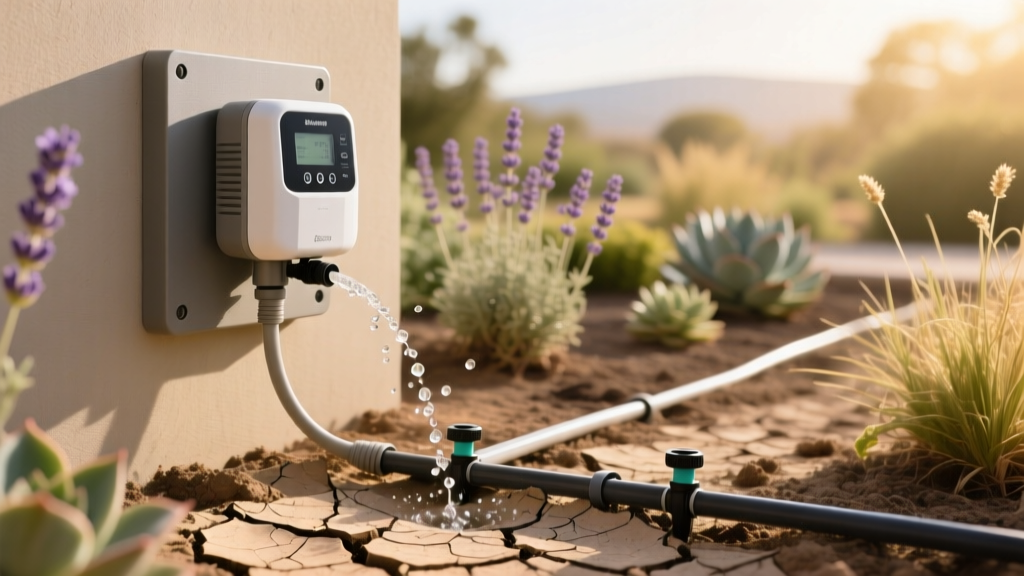
Smart Irrigation and Drip Systems for Drought Resilience
James MillerPublished
As extreme weather patterns and prolonged droughts become the new normal across many regions, homeowners are facing unprecedented challenges in maintaining their outdoor spaces. Traditional landscaping methods, heavily reliant on abundant water supplies and conventional sprinkler systems, are no longer sustainable or economically viable. The intersection of smart home technology and water-wise landscaping offers a powerful solution: upgrading to smart irrigation controllers paired with drip irrigation systems. This comprehensive guide will walk you through the science, economics, and practical steps of drought-proofing your garden without sacrificing curb appeal or plant health.
The Hidden Cost of Traditional Sprinklers
For decades, the pop-up spray sprinkler has been the default choice for residential landscaping. However, in an era of water scarcity, these systems reveal glaring inefficiencies. Traditional overhead sprinklers operate by broadcasting water through the air, which leaves the moisture highly vulnerable to environmental factors. According to the Environmental Protection Agency (EPA), traditional spray systems can lose up to 50% of their water to evaporation and wind drift before it ever reaches the root zone of your plants.
Furthermore, sprinklers often apply water faster than the soil can absorb it, leading to significant surface runoff. This not only wastes a precious resource but also washes away expensive fertilizers and topsoil into local storm drains, contributing to urban water pollution. When drought restrictions are enacted, homeowners with traditional systems are often the first to face dead lawns and withered garden beds because their infrastructure simply cannot adapt to strict watering windows.
Why Smart Irrigation Controllers Are a Game-Changer
The brain of any modern, water-wise landscape is the smart irrigation controller. Unlike older timer-based systems that water on a rigid schedule regardless of the weather, smart controllers utilize real-time data to make precise watering decisions. There are two primary types of smart controllers recognized by the EPA WaterSense program:
Weather-Based (ET) Controllers
These devices connect to your home Wi-Fi network and pull local meteorological data to calculate Evapotranspiration (ET) and the rate at which water evaporates from the soil and transpires from plants. If rain is in the forecast, or if humidity is high and temperatures are mild, the controller automatically delays or shortens the watering cycle. Brands like Rachio and Orbit B-hyve have made these Wi-Fi-enabled controllers incredibly user-friendly, allowing you to monitor and adjust your landscape water usage directly from your smartphone.
Soil Moisture Sensor Controllers
Instead of relying on weather forecasts, these systems use physical sensors buried in the root zones of your garden beds and lawn. The system will only trigger an irrigation cycle when the soil moisture drops below a specific, pre-set threshold. This is particularly effective for microclimates within your yard, such as heavily shaded areas that retain moisture longer than sun-baked slopes.
By simply replacing a standard clock timer with a WaterSense labeled smart irrigation controller, the average home can save nearly 7,600 gallons of water annually.
Drip Irrigation: The Gold Standard for Water-Wise Gardens
While a smart controller dictates when to water, the delivery method dictates how efficiently that water is used. Converting your garden beds, shrub borders, and vegetable patches from overhead spray to drip irrigation is the single most impactful upgrade you can make for drought resilience.
Drip irrigation utilizes a network of flexible polyethylene tubing and specialized emitters to deliver water drop-by-drop directly to the base of the plant. As highlighted by water conservation experts at Water - Use It Wisely, drip systems operate at up to 90% efficiency, compared to the 50-70% efficiency of traditional spray systems. Because the water is applied slowly and directly to the soil surface, there is virtually zero loss to evaporation or wind drift.
Additionally, drip irrigation keeps the foliage of your plants dry, which drastically reduces the incidence of fungal diseases like powdery mildew and black spot, a common issue when overhead sprinklers soak rose bushes and tomato plants in the evening.
System Comparison: Sprinklers vs. Smart Drip Systems
To understand the true value of retrofitting your landscape, consider the following comparison between traditional overhead spray systems and modern smart drip integrations.
| Feature | Traditional Spray Sprinklers | Smart Controller + Drip Irrigation |
|---|---|---|
| Water Efficiency | 50% - 70% | 85% - 95% |
| Evaporation and Wind Loss | High | Negligible |
| Weed Growth | High (waters empty spaces) | Low (targets specific plants) |
| Foliage Disease Risk | High (wets leaves) | Low (keeps leaves dry) |
| Average Installation Cost | $2,500 - $4,500 | $1,500 - $3,000 (Retrofit) |
| Adaptability to Drought Rules | Poor | Excellent |
Step-by-Step Guide to Retrofitting Your Garden
Transitioning to a water-wise system does not necessarily mean tearing up your entire yard. You can systematically retrofit your existing landscape over a weekend using basic tools and readily available components from brands like Netafim, Rain Bird, or DIG.
Step 1: Cap and Convert Existing Spray Heads
In your garden beds, locate the existing pop-up sprinkler heads. Using a PVC slip-fit cap or a specialized sprinkler cap, seal off the heads that are no longer needed. For the heads you wish to convert, attach a drip conversion kit, which typically includes a pressure regulator and a poly tubing adapter. Drip systems require lower water pressure (usually around 25-30 PSI) compared to sprinklers (40-60 PSI), making the pressure regulator a mandatory component to prevent blown emitters.
Step 2: Lay Out the Drip Tubing
Run half-inch mainline polyethylene tubing from your converted sprinkler head through the garden bed, weaving it near the base of your shrubs and perennials. Secure the tubing using landscape staples every few feet to keep it in place.
Step 3: Install Emitters and Micro-Drip Lines
Puncture the mainline tubing using a specialized hole punch tool and insert barbed emitters. For large shrubs and trees, use multi-stream rotors or high-flow emitters (e.g., 2 to 4 gallons per hour). For densely planted annual beds or vegetable gardens, use quarter-inch inline drip tubing, which features pre-installed emitters spaced every 6 to 12 inches.
Step 4: Upgrade the Controller
Replace your old mechanical timer with a Wi-Fi-enabled smart controller. Wire the valves according to the manufacturer instructions, connect the device to your home network, and use the companion app to input your soil type, plant types, and sun exposure for each zone. The software will automatically generate a highly optimized, water-wise schedule.
Integrating Smart Tech with Rainwater Harvesting
For the ultimate drought-resilient landscape, consider pairing your smart drip system with a rainwater harvesting setup. By routing your roof downspouts into a catchment barrel or cistern, you can store free, high-quality water for your garden. Modern smart controllers can be integrated with smart solenoid valves and pump systems to draw from your rainwater reserve before tapping into the municipal supply. According to the Irrigation Association, combining alternative water sources with precision irrigation technology represents the cutting edge of sustainable landscape management, drastically reducing reliance on strained municipal aquifers.
Financial Incentives and Return on Investment
While the upfront cost of purchasing a smart controller ($150-$250) and drip irrigation materials ($100-$300 for an average garden bed) may seem daunting, the return on investment is rapid. Many local water municipalities and utility districts offer aggressive rebate programs to incentivize water conservation. It is common to find rebates that cover 50% to 100% of the cost of an EPA WaterSense labeled smart controller.
When you factor in the monthly savings on your water bill, often seeing a 20% to 40% reduction in outdoor water use, the system typically pays for itself within one to two irrigation seasons. Furthermore, by keeping your expensive landscaping alive during severe droughts, you protect your home curb appeal and property value, avoiding the massive costs of replanting dead trees and shrubs.
Conclusion
Adapting to a drier climate does not mean abandoning your passion for gardening; it simply requires a shift toward smarter, more efficient technologies. By upgrading to a smart irrigation controller and converting your garden beds to drip irrigation, you build a resilient landscape capable of thriving in the face of drought and heatwaves. Not only will you conserve thousands of gallons of water annually, but you will also enjoy a healthier, more vibrant garden with significantly less manual labor and guesswork. Embrace the future of water-wise landscaping and turn your outdoor space into a model of sustainable beauty.
