Home & Garden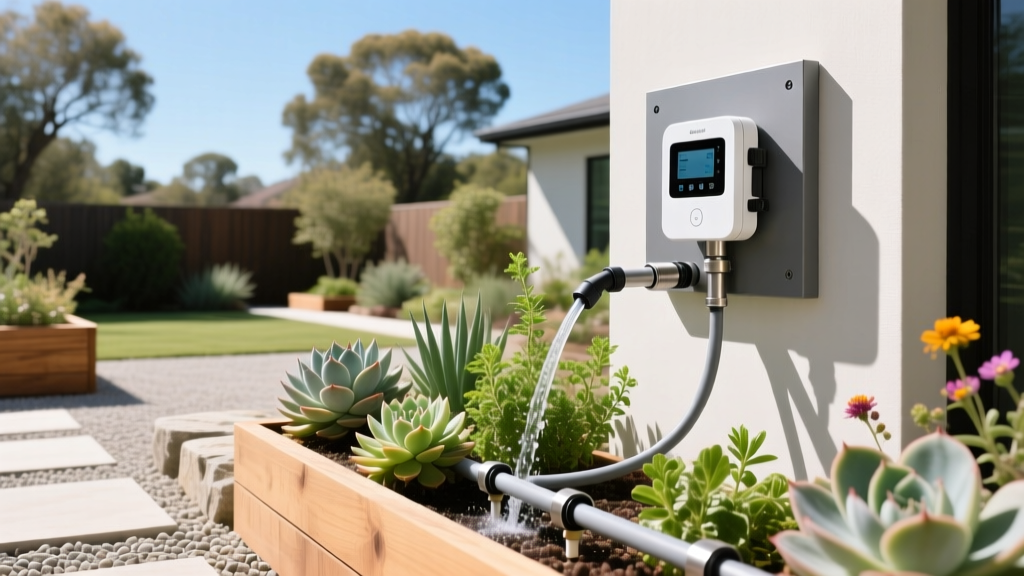
Smart Irrigation & Drip Systems: The Drought-Proof Guide
David ParkPublished
Introduction
As climate patterns shift and municipal water restrictions become a seasonal norm across many regions, homeowners are increasingly seeking sustainable ways to maintain their landscapes. The traditional approach of running oscillating sprinklers for hours on end is no longer viable, both environmentally and economically. Bridging the gap between a lush outdoor living space and responsible resource management requires a strategic pivot toward water-wise landscaping. At the heart of this transformation are two critical technologies: smart irrigation controllers and drip irrigation systems. By integrating these solutions, you can drought-proof your garden, reduce your water bill by up to 50 percent, and ensure your plants receive the precise hydration they need to thrive.
The Hidden Inefficiencies of Traditional Spray Heads
Traditional pop-up spray heads and rotor sprinklers were designed for an era of abundant water and low utility costs. They operate by broadcasting water through the air at high pressures (typically 30 to 50 PSI). While this creates a visually appealing arc of water, it is incredibly inefficient. According to the EPA WaterSense program, traditional spray systems can lose up to 30 percent of their water to evaporation and wind drift before it ever reaches the soil. Furthermore, spray heads often apply water faster than the soil can absorb it, leading to surface runoff that carries fertilizers and pesticides into local storm drains. In drought-prone areas, this runoff is not just a waste of a precious resource; it is a direct violation of municipal water conservation ordinances.
Upgrading to a Weather-Based Smart Controller
The brain of any modern, water-wise landscape is the smart irrigation controller. Unlike standard timers that operate on a rigid, pre-set schedule regardless of the weather, smart controllers utilize local meteorological data to adjust watering times automatically. These devices calculate the daily Evapotranspiration (ET) rate—the sum of evaporation from the land surface and transpiration from vegetation—to determine exactly how much water your landscape has lost and needs replaced. Market-leading products like the Rachio 3 Smart Sprinkler Controller (retailing around $229) or the Orbit B-hyve Smart Indoor/Outdoor Sprinkler Controller (around $119) connect directly to your home Wi-Fi network. They pull hyper-local weather data to skip watering before, during, and after rain events, and they adjust run times based on seasonal temperature shifts and soil type. The EPA notes that homes with WaterSense labeled smart controllers can save an average of 7,600 gallons of water annually. The return on investment is rapid, often paying for the hardware within a single summer season through reduced utility bills.
Converting Spray Zones to Drip Irrigation
While a smart controller optimizes the schedule, converting your planting beds from spray heads to drip irrigation optimizes the delivery. Drip irrigation applies water directly to the root zone of the plant at a slow, measured rate, virtually eliminating evaporation and wind drift. The Texas A&M AgriLife Extension highlights that drip systems can achieve up to 95 percent water application efficiency, compared to the 50 to 70 percent efficiency of traditional spray systems. To convert a standard shrub or flower bed, you will need to cap the existing spray heads and install a drip conversion kit. This kit must include a pressure regulator to drop the household water pressure from 50 PSI down to a safe 15 to 25 PSI for drip lines, and a mesh filter to prevent the tiny emitter openings from clogging with sediment. From the filter, you run 1/2-inch polyethylene mainline tubing through the bed, branching off with 1/4-inch micro-tubing to individual plants. For most shrubs, a 1 Gallon Per Hour (GPH) pressure-compensating emitter is ideal, while larger trees may require multiple 2 GPH emitters arranged in a ring around the drip line.
Data Table: Irrigation System Efficiency Comparison
| Feature | Traditional Spray Heads | Standard Drip System | Smart Controller + Drip |
|---|---|---|---|
| Water Application Efficiency | 50% - 70% | 85% - 90% | 95% - 98% |
| Evaporation & Wind Loss | High (Up to 30%) | Negligible | Negligible |
| Average Initial Cost (per zone) | $150 - $250 | $100 - $200 | $250 - $400 |
| Annual Water Savings | Baseline | 30% - 40% | 50% - 70% |
| Runoff Risk | High | Low | Very Low (Cycle & Soak) |
Hydrozoning: The Foundation of Drought-Resistant Design
Technology alone cannot save a poorly designed landscape. Hydrozoning is the practice of grouping plants with similar water, sunlight, and soil requirements into the same irrigation zones. The California Department of Water Resources strongly advocates for hydrozoning as a core tenet of water-efficient landscaping. If you place a water-thirsty hydrangea in the same drip zone as a drought-tolerant lavender plant, one will inevitably suffer. Divide your landscape into distinct hydrozones: High (turfgrass, vegetable gardens), Moderate (ornamental shrubs, perennial flowers), Low (native plants, Mediterranean climate species), and Very Low (established desert succulents, mature oaks). Your smart controller can then manage each zone independently, applying heavy, frequent watering to the vegetable garden while giving the native sage brush a deep, infrequent soak once a month.
Soil Amendments and Mulching for Moisture Retention
Water-wise gardening extends below the surface. Compacted, clay-heavy soils repel water, causing expensive irrigation to run off into the street. Before installing drip lines, incorporate 2 to 3 inches of organic compost into the top 6 inches of your soil to improve porosity and water retention. Once the drip system is in place, cover the tubing and the soil surface with a 3-inch layer of organic mulch, such as shredded hardwood bark or arborist wood chips. Mulch acts as a thermal barrier, keeping the soil temperature stable and reducing surface evaporation by up to 70 percent. It also suppresses water-stealing weeds and breaks down over time to feed the soil microbiome. Ensure the mulch is kept a few inches away from the base of tree trunks and shrub stems to prevent rot and rodent damage.
Smart Scheduling: Cycle and Soak for Clay Soils
Even with drip irrigation, scheduling matters. For landscapes with heavy clay soils, the infiltration rate is incredibly slow. If you run a drip zone for two continuous hours, the water may pool on the surface or run off before penetrating deeply. Utilize the Cycle and Soak feature on your smart controller. This method divides the total watering time into shorter cycles with resting periods in between. For example, instead of watering for 60 minutes straight, the controller will water for 15 minutes, wait 45 minutes for the water to percolate into the clay, and then repeat this process three more times. This encourages deep root growth, which is the ultimate key to drought survival. Deep roots can access subterranean moisture reserves long after the topsoil has dried out.
Routine Maintenance and System Winterization
A water-wise system requires seasonal attention to maintain its high efficiency. In the spring, flush your drip lines by opening the end caps and letting water run through for a minute to clear out any debris or mineral buildup. Walk the garden and check for geysers—emitters that have been chewed by rodents or damaged by landscaping tools. Replace damaged 1/4-inch lines using barbed couplers and goof plugs. As autumn approaches and plants enter dormancy, adjust your smart controller's seasonal shift settings to reduce watering frequency. If you live in a region with hard freezes, you must winterize your system. Shut off the main water supply to the irrigation system, open the manual drain valves, and use an air compressor to blow out any remaining water from the poly tubing to prevent catastrophic cracking and splitting during freeze-thaw cycles.
Conclusion
Transitioning to a water-wise landscape is not about sacrificing beauty for conservation; it is about working smarter with nature. By combining the data-driven precision of a smart irrigation controller with the targeted delivery of a drip system, you create a resilient outdoor sanctuary capable of withstanding severe drought conditions. Not only will you protect your local watershed and comply with municipal restrictions, but you will also cultivate a deeper, healthier root system that keeps your garden vibrant year-round.
