Home & Garden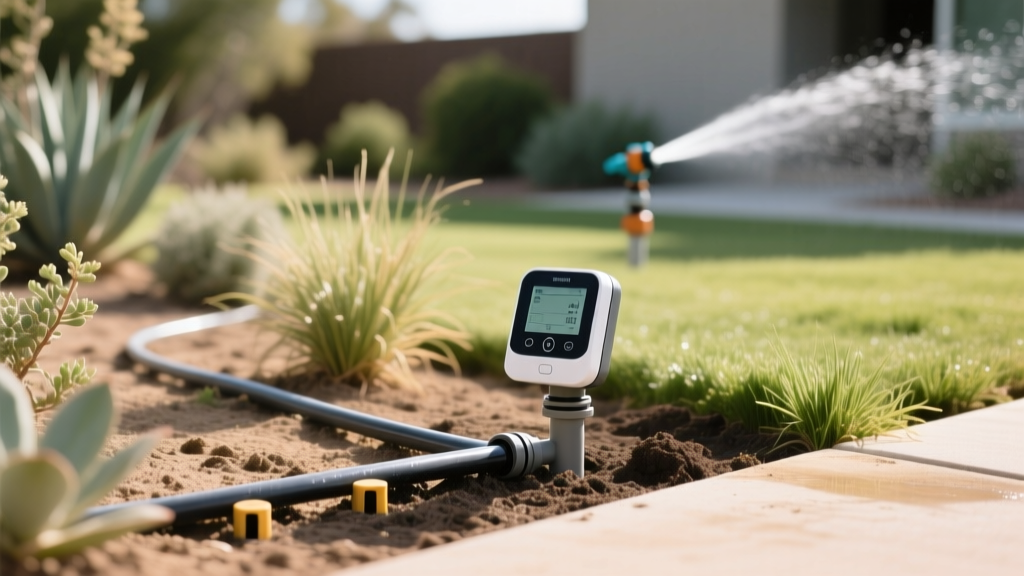
Smart Irrigation Upgrades for Drought-Resistant Lawns
Robert HayesPublished
As drought conditions and water restrictions become increasingly common across many regions, homeowners are seeking sustainable ways to maintain their outdoor living spaces without draining local reservoirs or their bank accounts. Bridging the gap between smart home technology and energy-efficient landscaping, upgrading your irrigation system is one of the most impactful water-wise solutions available today. By combining smart irrigation controllers with targeted drip systems and strategic hydrozoning, you can cultivate a lush, drought-resistant garden that thrives even in the harshest summer heat.
The Hidden Water Waste in Traditional Sprinkler Systems
Traditional irrigation systems rely on rigid, timer-based schedules that fail to account for real-time environmental factors. A standard timer will activate your sprinklers whether it rained an inch yesterday or a dry wind is currently sweeping across your yard. This blind scheduling leads to massive water waste through evaporation, wind drift, and surface runoff. In fact, the average residential irrigation system can waste up to 50 percent of the water it uses due to inefficiencies and overwatering. When water is applied faster than the soil can absorb it, it pools on the surface and evaporates, taking your landscaping budget with it.
How Smart Irrigation Controllers Work
Smart irrigation controllers replace the 'set it and forget it' mentality with dynamic, data-driven watering schedules. According to the Environmental Protection Agency (EPA) WaterSense program, smart controllers can save the average home nearly 7,600 gallons of water annually. These devices connect to your home Wi-Fi network and pull data from local weather stations, adjusting watering durations and frequencies based on real-time metrics like temperature, humidity, solar radiation, and wind speed.
Weather-Based vs. Soil Moisture Controllers
There are two primary types of smart controllers on the market. Weather-based controllers (also known as evapotranspiration or ET controllers) use local meteorological data to calculate the exact amount of water your landscape needs to replace what has been lost to evaporation. Soil moisture sensor controllers, on the other hand, bypass weather forecasts entirely and measure the actual moisture content in your lawn's root zone. If the soil is already adequately hydrated, the system overrides the scheduled watering cycle, preventing root rot and fungal diseases associated with overwatering.
Comparison Chart: Smart Controllers vs. Traditional Timers
| Feature | Traditional Timer | Weather-Based Smart Controller | Soil Moisture Smart Controller |
|---|---|---|---|
| Scheduling Logic | Fixed days and times | Dynamic, based on local ET data | Dynamic, based on actual soil wetness |
| Wi-Fi / App Control | No | Yes | Yes (most modern models) |
| Rain Delay Feature | Manual override required | Automatic via weather feeds | Automatic via sensor readings |
| Average Cost | $40 - $80 | $150 - $250 | $200 - $350 (includes sensors) |
| Water Savings | Baseline (0%) | 20% - 40% | 30% - 50% |
Converting Spray Zones to Drip Irrigation
While smart controllers optimize when you water, drip irrigation optimizes how you water. Traditional spray heads broadcast water through the air, making them highly susceptible to evaporation and wind drift. Drip irrigation delivers water directly to the base of the plant at a slow, measured rate. The University of California Agriculture and Natural Resources (UC ANR) division notes that drip irrigation systems operate at 90 percent efficiency, compared to the 65 to 75 percent efficiency of traditional spray sprinklers.
Step-by-Step Drip Conversion Guide
Converting a shrub or flower bed from spray to drip is a highly manageable weekend DIY project. Here is how to execute the conversion:
- Cap the Spray Heads: Unscrew the existing spray nozzles and replace them with threaded PVC or poly caps to seal off the risers.
- Install a Filter and Pressure Regulator: Drip emitters are prone to clogging from debris and require low water pressure (typically 15 to 25 PSI). Attach a combined filter and pressure regulator to your main valve or the first capped riser.
- Connect the Poly Tubing: Use a compression fitting to attach half-inch polyethylene tubing to the regulator. Snake the tubing through your garden beds, securing it with landscape staples every three to four feet.
- Punch in Emitters: Use a drip punch tool to insert emitters directly next to the root ball of each plant. For dense groundcovers, use inline drip tubing like Netafim Techline, which features built-in emitters spaced 12 inches apart.
- Flush the System: Before capping the ends of your tubing, turn the water on for two minutes to flush out any plastic shavings or dirt that entered the lines during installation.
The Art of Hydrozoning for Drought Tolerance
Even the most advanced smart irrigation system will fail if your landscape is not properly zoned. Hydrozoning is the practice of grouping plants with similar water, sunlight, and soil requirements into the same irrigation zones. This prevents the common dilemma of overwatering drought-tolerant native plants just to keep a thirsty turfgrass patch alive in the same zone.
Divide your yard into three primary hydrozones:
- High Water Zone (Oasis): Reserved for high-traffic turfgrass or water-loving annuals near the patio. This zone should be irrigated with high-efficiency rotary nozzles or subsurface drip.
- Moderate Water Zone: Dedicated to established shrubs, perennials, and vegetable gardens. Drip irrigation is ideal here, with smart controllers adjusting for seasonal growth cycles.
- Low Water Zone (Xeriscape): Comprised of native, drought-resistant plants like succulents, lavender, and ornamental grasses. These areas may only require deep, infrequent watering once or twice a month during peak summer.
Smart Home Integration and Automation
Modern water-wise landscaping extends beyond the garden and into your smart home ecosystem. Premium smart controllers like the Rachio 3 or Orbit B-hyve integrate seamlessly with platforms like Apple HomeKit, Amazon Alexa, and Google Home. You can create automated routines that link your indoor and outdoor environments. For example, if your smart weather station detects an incoming frost warning, the system can automatically trigger a light watering cycle to protect sensitive plant roots from freezing. Furthermore, integrating smart flow meters allows the system to detect micro-leaks in your underground pipes, automatically shutting off the main water valve and sending an alert to your smartphone before a minor leak becomes a catastrophic sinkhole.
Financial Incentives and System Costs
The initial investment for a smart irrigation upgrade typically ranges from $150 to $300 for the controller, plus $0.50 to $1.50 per square foot for drip conversion materials. However, the return on investment is accelerated by local utility rebates. The Alliance for Water Efficiency maintains a comprehensive, searchable database of local water agency rebates. Many municipal water districts offer rebates that cover 100 percent of the cost of an EPA WaterSense-labeled smart controller, effectively making the brain of your new irrigation system entirely free.
'Transitioning to a smart, drip-irrigated landscape is not just about complying with drought restrictions; it is about building a resilient outdoor ecosystem that requires less maintenance, fewer chemical fertilizers, and significantly less water over its lifespan.' - Sustainable Landscaping Coalition
Long-Term Maintenance for Water-Wise Systems
To ensure your drought-resistant setup continues to perform at peak efficiency, seasonal maintenance is required. Every spring, flush your drip lines to prevent mineral buildup. Inspect your soil moisture sensors to ensure they have not been displaced by landscaping tools or burrowing animals. Finally, review your smart controller's app settings to confirm that your plant types, soil types, and shade levels are accurately programmed for each zone. By marrying intelligent technology with water-wise gardening principles, you can enjoy a vibrant, thriving landscape that stands strong against the elements, season after season.
