Home & Garden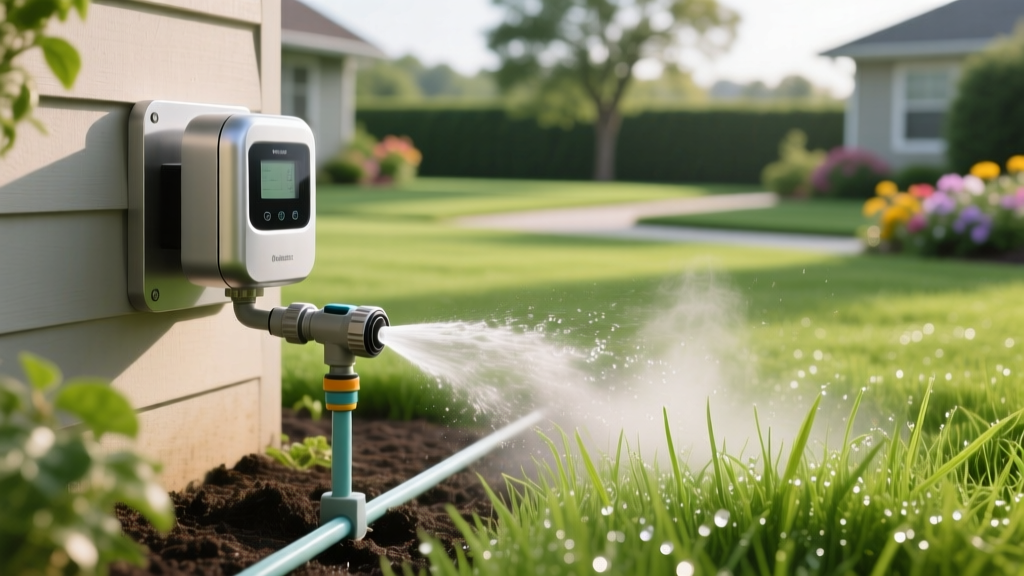
Lawn Watering Myths: Smart Irrigation Facts vs Fiction
Sarah ChenPublished
The Great Lawn Watering Debate: Fact vs. Fiction
When it comes to maintaining a lush, vibrant lawn, homeowners are constantly bombarded with conflicting advice. From neighborhood forums to well-meaning relatives, everyone seems to have a "secret" to the perfect yard. Unfortunately, much of this advice is rooted in outdated practices or outright misconceptions. As outdoor living spaces become extensions of our indoor homes, and as smart home integration becomes the standard for modern landscaping, it is time to separate fact from fiction.
According to the EPA WaterSense program, the average American family uses nearly 320 gallons of water per day, with about 30 percent devoted to outdoor uses. In arid climates, that outdoor usage can spike to 60 percent. Overwatering not only wastes a precious resource and inflates utility bills, but it also harms your landscape by promoting shallow root systems and fungal diseases. Let us dive into the most pervasive lawn watering myths and explore how modern smart irrigation technology and proven horticultural science can transform your garden-to-table ecosystem and outdoor living spaces.
Myth 1: You Must Water Your Lawn Every Day
The Fact: Deep, Infrequent Watering Builds Resilience
One of the most damaging myths in lawn care is the idea that a daily, 15-minute sprinkle keeps grass green and healthy. In reality, daily watering trains your turf to develop shallow root systems. Because the moisture is only penetrating the top half-inch of soil, the roots stay near the surface to access it. When summer heat peaks, these shallow roots dry out rapidly, leading to scorched, dormant, or dead patches.
The Science: Turfgrass requires approximately 1 to 1.5 inches of water per week, including rainfall. The goal is to encourage roots to grow 6 to 8 inches deep into the soil profile, where moisture is retained longer and temperatures are more stable. The Colorado State University Extension recommends deep, infrequent watering cycles. Watering two to three times a week for longer durations allows moisture to penetrate deeply, creating a drought-resistant lawn that requires less intervention over time.
Myth 2: Smart Irrigation Controllers Are an Unnecessary Gimmick
The Fact: Smart Tech Pays for Itself in Water Savings
Many homeowners hesitate to upgrade from traditional dial-based timers to smart irrigation controllers, assuming they are overly complicated or too expensive. The reality is that smart controllers are one of the most cost-effective energy-efficient landscaping upgrades you can make.
Traditional timers operate on a "set it and forget it" schedule, watering your lawn even during a rainstorm or a cool, humid week. Smart controllers, on the other hand, connect to your home Wi-Fi and utilize local weather stations, soil moisture sensors, and evapotranspiration (ET) data to adjust watering schedules automatically. Products like the Rachio 3 Smart Sprinkler Controller (retailing around $229) or the Orbit B-hyve XR (around $159) can reduce outdoor water usage by up to 50 percent. For a homeowner spending $100 a month on water during the summer, the device pays for itself in a single season.
Comparison: Traditional Timers vs. Smart Irrigation Controllers
| Feature | Traditional Timer | Smart Irrigation Controller |
|---|---|---|
| Average Cost | $40 - $80 | $120 - $250 |
| Weather Adaptability | None (Manual adjustments required) | Automatic (Uses local ET and rain data) |
| Remote Access | No | Yes (Via smartphone app) |
| Water Savings | 0% (Often leads to overwatering) | 20% - 50% annually |
| Smart Home Integration | No | Yes (Alexa, Google Home, IFTTT) |
Myth 3: Watering at Night Causes Fungal Diseases
The Fact: Timing Matters, But Early Morning is King
You may have heard that watering at night will guarantee a fungus-infected lawn. While it is true that leaving grass blades wet for extended periods promotes diseases like dollar spot and brown patch, the solution is not to water in the heat of the day. Watering at noon results in massive evaporation losses—up to 30 percent of the water can vanish before it ever reaches the root zone.
The Ideal Window: The optimal time to water is between 4:00 AM and 8:00 AM. During this window, wind speeds are typically low, temperatures are cool, and the grass has time to absorb the moisture before the sun dries the surface blades. Smart controllers make this effortless, allowing you to schedule zones to run at 4:30 AM while you are still asleep, ensuring the lawn is dry to the touch by the time you step outside for your morning coffee.
Myth 4: All Zones in Your Yard Need the Same Amount of Water
The Fact: Hydrozoning and Soil Types Dictate Run Times
Treating your entire yard as a single entity is a recipe for a patchy landscape. Your front yard might be full sun with sandy soil, while your backyard features heavy clay and dense shade from mature oak trees. Applying the same 20-minute run time to both areas ignores the principles of hydrozoning and soil physics.
- Sandy Soil: Drains rapidly and holds very little moisture. Requires shorter, more frequent watering cycles (e.g., 15 minutes, three times a week).
- Clay Soil: Absorbs water very slowly. If you run a sprinkler for 30 minutes on clay, the last 20 minutes will likely result in surface runoff, wasting water and carrying fertilizers into storm drains. Clay requires the "Cycle and Soak" method: running the zone for 10 minutes, waiting an hour for absorption, and then running it for another 10 minutes.
- Shaded Areas: Require significantly less water than full-sun areas due to reduced evapotranspiration rates.
Pro Tip: Modern smart controllers feature built-in "Cycle and Soak" programming. You simply input your soil type and plant type for each zone, and the software automatically splits your run times to prevent runoff, a massive boon for energy-efficient landscaping and water conservation.
Actionable Advice: How to Perform a Catch Cup Test
Before you program your new smart controller or adjust your current timer, you must know exactly how much water your sprinkler heads are actually delivering. Do not guess. Perform a catch cup test to calibrate your system.
- Gather Materials: Collect 5 to 6 identical flat-bottomed containers (empty tuna cans are perfect, as they are typically exactly 1 inch deep).
- Placement: Place the cans at varying distances from the sprinkler heads within a single zone to account for overlapping spray patterns and pressure differences.
- Run the Zone: Turn on the sprinkler zone for exactly 15 minutes.
- Measure: Use a ruler to measure the depth of the water in each can. Calculate the average depth across all cans.
- Calculate the Rate: If the average depth is 0.5 inches after 15 minutes, your system delivers 2 inches per hour. To achieve the recommended 1 inch of weekly watering, you now know you need to run that specific zone for exactly 30 minutes per week, split across two days.
By pairing this empirical data with a smart controller's weather adjustment features, you eliminate the guesswork entirely. The Irrigation Association heavily promotes this type of auditing as a core pillar of their Smart Water initiative, noting that proper calibration is the single most effective step a homeowner can take to reduce outdoor water waste.
Conclusion: Embrace the Facts for a Thriving Outdoor Space
Bridging the gap between indoor comfort and outdoor beauty requires a landscape that is both resilient and intelligently maintained. By discarding outdated myths—like the necessity of daily watering or the fear of smart technology—you can cultivate a robust root system that withstands summer droughts and resists disease. Upgrading to a smart irrigation controller, understanding your soil type, and watering deeply in the early morning hours are not just good for your lawn; they are essential practices for sustainable, modern home and garden care. Stop guessing, start measuring, and let the facts guide your landscaping journey.
