Home & Garden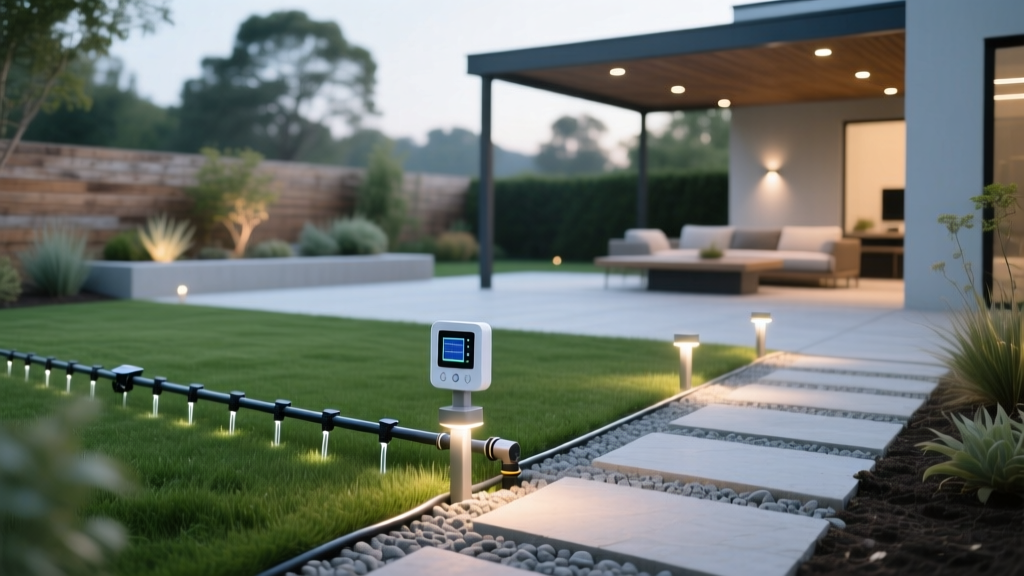
Expert Guide to Smart Irrigation and Lighting Systems
Emily WatsonPublished
The Evolution of Outdoor Living: Smart Irrigation and Lighting
The modern outdoor living space is no longer just a patch of grass and a few porch lights. Today, homeowners are bridging the gap between indoor convenience and outdoor beauty through smart home integration. By upgrading to smart irrigation and landscape lighting systems, you can dramatically reduce water waste, lower energy bills, and elevate your property's curb appeal. As a senior landscaping and home maintenance expert, I have compiled this comprehensive guide to help you navigate the best practices for designing, installing, and maintaining automated outdoor systems.
Smart Irrigation: Best Practices for Water Conservation
Traditional sprinkler timers are notoriously inefficient, often watering lawns during rainstorms or in the middle of the day when evaporation rates peak. Smart irrigation controllers solve this by utilizing real-time data to optimize watering schedules.
Choosing the Right Smart Controller
When selecting a smart controller, you will generally choose between weather-based and soil-moisture-based systems. Weather-based controllers, like the Rachio 3 Smart Sprinkler Controller or the Orbit B-hyve XR, connect to your home Wi-Fi and use hyper-local weather intelligence to skip watering when rain is in the forecast. According to the U.S. Environmental Protection Agency (EPA) WaterSense program, replacing a standard clock timer with a WaterSense-labeled smart controller can save the average home nearly 7,600 gallons of water annually.
Expert Tip: If your soil has high clay content or poor drainage, pair your weather-based controller with a wireless soil moisture sensor (such as the Hunter Wireless Rain-Clik or Soil-Clik). This prevents the system from running even if the weather forecast is dry but the soil retains adequate moisture.
Zone Mapping and Sprinkler Head Selection
A smart controller is only as effective as the hardware it controls. Group your landscape into distinct hydrozones based on sun exposure and plant water needs.
- Rotary Nozzles: Ideal for medium to large turf areas. They apply water slowly (0.4 to 0.6 inches per hour), reducing runoff on sloped lawns.
- Spray Heads: Best for small, narrow strips of grass or dedicated flower beds. Apply water much faster (1.5 to 2.0 inches per hour).
- Drip Irrigation: The gold standard for garden beds, shrubs, and trees. Drip lines deliver water directly to the root zone at a fraction of the cost and water usage of overhead spray.
Smart Landscape Lighting: Illuminating with Efficiency
Landscape lighting extends the usability of your outdoor living spaces into the evening while enhancing security. The transition from halogen to LED, combined with smart transformers, has revolutionized outdoor illumination.
Smart Transformers and LED Integration
The heart of any low-voltage lighting system is the transformer. Smart transformers, such as those offered by WAC Lighting or Kichler, allow you to control individual zones or fixtures directly from your smartphone. They feature built-in astronomical timers that automatically adjust to local sunset and sunrise times, eliminating the need for manual seasonal adjustments.
Expert Tip: Always select outdoor-rated LEDs with an IP65 or higher rating. For color temperature, stick to 2700K (warm white) for architectural features and 3000K for illuminating pathways and security areas. Avoid anything above 4000K, which can look harsh and disrupt local wildlife circadian rhythms.
Wire Sizing and Voltage Drop
One of the most common mistakes in DIY lighting is using wire that is too thin, resulting in a voltage drop where fixtures at the end of the line appear dim. For most residential runs under 100 feet, 14-gauge direct burial wire is sufficient. For runs exceeding 100 feet or systems with a high total wattage, upgrade to 12-gauge or 10-gauge wire. Always use waterproof silicone-filled wire nuts to prevent corrosion.
Unifying Water and Light: Smart Home Integration
The true power of outdoor automation is realized when your irrigation and lighting systems communicate with your broader smart home ecosystem. Whether you use Apple HomeKit, Google Home, Amazon Alexa, or Samsung SmartThings, unifying your devices allows for powerful routines.
Creating Automated Routines
Imagine a "Goodnight" routine where your smart thermostat adjusts, your indoor lights dim, your landscape lighting turns on to 50% brightness, and your irrigation system runs a quick 3-minute cycle on your greenhouse drip lines. Geofencing is another powerful tool; your smart hub can detect when your phone leaves the property and automatically ensure all outdoor lights are off and the sprinklers are armed to run.
Cost vs. ROI: Is the Smart Upgrade Worth It?
While smart systems require a higher upfront investment, the return on investment (ROI) through utility savings and landscape preservation is substantial. Below is a comparison of traditional versus smart system costs and projected savings.
| System Component | Traditional Cost | Smart Upgrade Cost | Estimated Annual Savings |
|---|---|---|---|
| Irrigation Controller | $50 - $100 | $150 - $250 | $100 - $150 (Water) |
| Lighting Transformer | $40 - $80 | $150 - $300 | $40 - $60 (Electricity) |
| Sensors (Soil/Photo) | $0 | $50 - $120 | $50+ (Water/Energy) |
| Smart Hub / Bridge | N/A | $50 - $100 | Convenience & Automation |
Note: Many local water municipalities offer rebates ranging from $50 to $100 for installing EPA WaterSense-labeled smart irrigation controllers, significantly offsetting the initial hardware cost.
Expert Maintenance and Winterization Tips
Smart systems reduce daily maintenance but do not eliminate the need for seasonal care. Follow these best practices to protect your investment:
- Spring Audits: Before activating your smart controller, manually run each irrigation zone. Check for clogged rotary nozzles, misaligned spray heads, and leaking drip emitters. Smart controllers cannot compensate for broken hardware.
- Fall Winterization: In freezing climates, you must blow out your irrigation lines with an air compressor. Keep the compressor PSI below 50 for polyethylene pipes and 80 for PVC to prevent damaging the smart valves.
- Lighting Lens Care: Clean LED lenses twice a year with a soft microfiber cloth and a mild, non-ammonia glass cleaner. Hard water spots can permanently etch into the glass if left untreated, reducing light output by up to 20%.
- Firmware Updates: Ensure your smart controllers and hubs are set to auto-update. The Irrigation Association (IA) frequently updates best-practice algorithms for evapotranspiration (ET) data, which are pushed to your device via firmware updates.
Conclusion
Integrating smart irrigation and landscape lighting is one of the most impactful upgrades you can make to your home's exterior. By combining water-saving technologies, energy-efficient LEDs, and unified smart home routines, you create an outdoor living space that is as intelligent as it is beautiful. Start with a smart controller and a few key lighting zones, and expand your system as you become more comfortable with the technology. Your lawn, your garden, and your utility bills will thank you.
