Home & Garden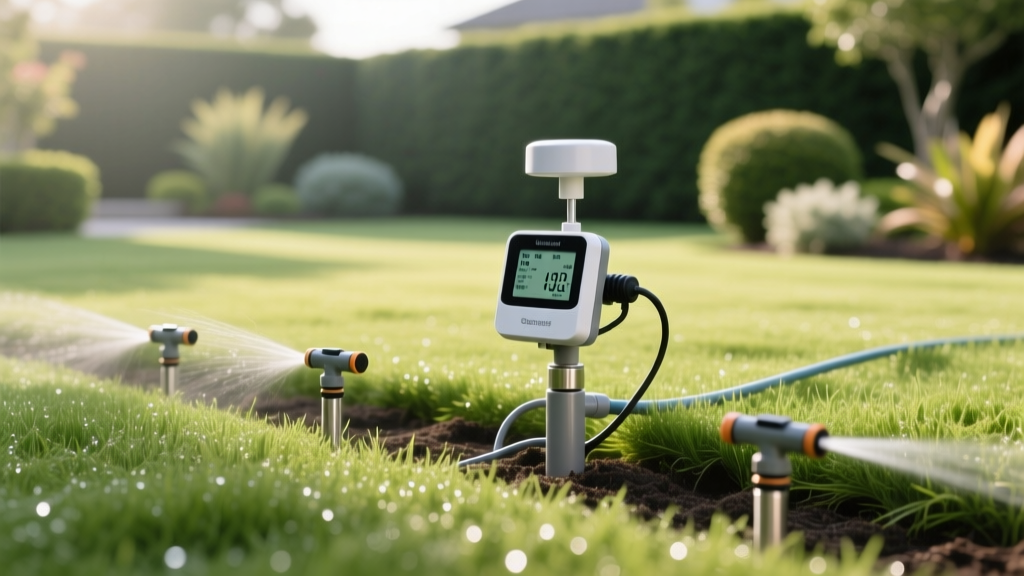
Smart Irrigation Mistakes: Common Errors and Fixes
Sarah ChenPublished
The Promise and Pitfalls of Smart Irrigation
Upgrading to a smart irrigation system is one of the most effective ways to bridge the gap between modern home technology and energy-efficient landscaping. By leveraging local weather data and soil conditions, these systems promise to keep your lawn lush while drastically reducing water waste. However, a smart controller is only as effective as its setup and maintenance. Many homeowners invest hundreds of dollars into premium Wi-Fi-enabled controllers, only to end up with brown patches, waterlogged flower beds, and surprisingly high utility bills.
According to the Environmental Protection Agency (EPA), the average American family uses more than 300 gallons of water per day, with roughly 30% dedicated to outdoor use. In arid climates, that outdoor figure can jump to 60%. While smart systems can reduce outdoor water use by up to 50%, user error frequently negates these savings. Below, we explore the most common smart irrigation mistakes and provide actionable, step-by-step fixes to ensure your landscape thrives.
Mistake 1: Ignoring Hydrozoning and Microclimates
The most frequent error occurs before the smart controller is even plugged in. Homeowners often wire their entire yard into one or two broad zones, ignoring the concept of hydrozoning. Hydrozoning is the practice of grouping plants with similar water, sun, and soil requirements together on the same irrigation valve.
If your smart controller detects that your sunny front lawn needs 1.5 inches of water per week, it will apply that same amount to the shaded hosta bed on the same zone. The result? The lawn gets exactly what it needs, while the shade plants drown, leading to root rot and fungal diseases.
The Fix: Reconfigure Your Valves
- Separate Turf from Shrubs: Turfgrass typically requires frequent, shallow watering, while shrubs and trees prefer infrequent, deep soaking. Run separate PVC or poly lines to dedicated valves for each.
- Upgrade to Drip Irrigation: For garden beds and foundation plantings, swap out spray heads for drip irrigation tubing. Drip systems deliver water directly to the root zone at a rate of 0.5 to 2.0 gallons per hour (GPH), minimizing evaporation.
- Map Microclimates: Identify areas that receive full sun versus those shaded by your home or large trees. Assign these to separate zones within your smart app so the controller can apply distinct watering schedules based on localized evaporation rates.
Mistake 2: Improper Soil Moisture Sensor Placement
Many advanced smart systems, such as the Hunter Pro-HC or Rain Bird ESP-ME3, utilize optional soil moisture sensors to override scheduled watering when the ground is already saturated. However, if the sensor is placed incorrectly, it will feed bad data to the controller, resulting in severe underwatering or overwatering.
The Fix: Strategic Sensor Installation
To get accurate readings, you must place the sensor in a representative area of the zone, avoiding extremes.
- Depth Matters: For standard turfgrass, bury the sensor exactly 6 inches deep, right in the primary root zone. For shrubs and perennials, bury it 12 to 18 inches deep.
- Avoid Low Spots: Never place a sensor in a natural depression or near a downspout where water pools. The sensor will read 'saturated' and shut off the entire zone, leaving the higher, drier areas of your lawn parched.
- Stay Clear of Spray Heads: Keep the sensor at least 3 feet away from any sprinkler head to prevent false 'saturated' readings caused by direct overspray rather than true soil absorption.
Mistake 3: Treating Weather-Based Controllers Like Dumb Timers
A weather-based smart controller calculates Evapotranspiration (ET)—the sum of evaporation and plant transpiration—to determine exactly how much water your landscape has lost to the atmosphere. Yet, many homeowners manually override these calculations, setting rigid daily schedules out of habit or a misguided belief that 'more water equals a greener lawn.'
Overriding your smart controller's ET data with manual daily schedules defeats the purpose of the technology and can lead to shallow root systems that are highly vulnerable to drought and heat stress.
The Fix: Trust the Algorithm and Set Seasons
Let the smart controller do the heavy lifting. Input your soil type (e.g., clay, loam, or sand), plant type, and sun exposure into the app. Instead of setting a daily schedule, use the 'Seasonal Adjust' or 'Water Budget' feature. Set the baseline schedule for peak summer (July), and allow the controller's weather intelligence to automatically scale the watering duration back by 30% in the spring and fall.
Smart Controller Comparison: Weather vs. Soil Moisture
Choosing the right smart technology depends on your specific landscape and local climate. Here is a breakdown to help you decide which data source is best for your yard.
| Feature | Weather-Based (ET) Controllers | Soil Moisture Sensor Controllers |
|---|---|---|
| How It Works | Uses local weather station data (temp, humidity, wind, solar radiation) to calculate water loss. | Uses physical probes buried in the root zone to measure actual volumetric water content. |
| Best For | Large lawns, varied terrains, and areas with reliable local weather stations. | Small yards, container gardens, areas with unique microclimates or heavy clay soils. |
| Average Cost | $150 - $280 (e.g., Rachio 3, B-hyve) | $180 - $350 (includes controller + wired/wireless sensors) |
| Maintenance | Low; requires Wi-Fi connection and occasional weather station source verification. | Moderate; sensors may need recalibration or replacement every 3-5 years due to soil shifting. |
Mistake 4: Neglecting the Annual Spring Audit
Homeowners often assume that because the controller is 'smart,' the physical hardware requires no attention. This is a costly misconception. Winter freezes can crack sprinkler housings, lawnmowers can shear off pop-up heads, and nozzles can become clogged with debris. A smart controller cannot detect a broken pipe or a clogged nozzle; it will simply continue to run the zone, wasting thousands of gallons of water.
The Fix: Perform a Pre-Season System Audit
Before the peak growing season begins, conduct a manual 'catch cup test' and visual inspection.
- Inspect and Clean: Walk the property while the system runs. Look for geysers (broken heads), misting (high pressure), and dry spots (clogged nozzles). Clean filter screens inside the spray heads.
- Check Precipitation Rates: Place 3 to 5 flat-bottomed catch cups (or tuna cans) in a zone. Run the zone for exactly 15 minutes. Measure the water in each cup to determine your system's actual precipitation rate in inches per hour. Input this exact number into your smart controller's app to ensure the ET calculations are perfectly calibrated to your hardware.
- Swap to High-Efficiency Nozzles: If your audit reveals uneven coverage, upgrade standard spray nozzles to multi-stream rotary nozzles (like the MP Rotator). These apply water at a slower rate (0.4 inches per hour), allowing heavy clay soils to absorb the moisture without runoff.
The Hidden Costs of Irrigation Errors
Failing to correct these common mistakes impacts more than just your water bill. Overwatering creates an ideal breeding ground for turf diseases like Pythium blight and brown patch, which can cost hundreds of dollars in fungicides and lawn renovation to fix. Furthermore, excessive runoff carries synthetic fertilizers and herbicides directly into storm drains, polluting local waterways. By optimizing your smart system, you are practicing responsible, energy-efficient landscaping that protects both your wallet and the local ecosystem.
Conclusion
A smart irrigation system is a powerful tool for modern home and garden care, but it requires intelligent setup and seasonal oversight. By respecting hydrozones, placing sensors correctly, trusting weather data, and performing annual hardware audits, you can transform your landscape into a thriving, water-efficient oasis. For more detailed guidelines on water-efficient landscaping and certified smart products, consult the EPA WaterSense Smart Irrigation Controllers database, and review regional watering guidelines provided by institutions like the University of Florida IFAS Center for Landscape Conservation and Management. Take control of your irrigation today, and watch your lawn flourish tomorrow.
