Home & Garden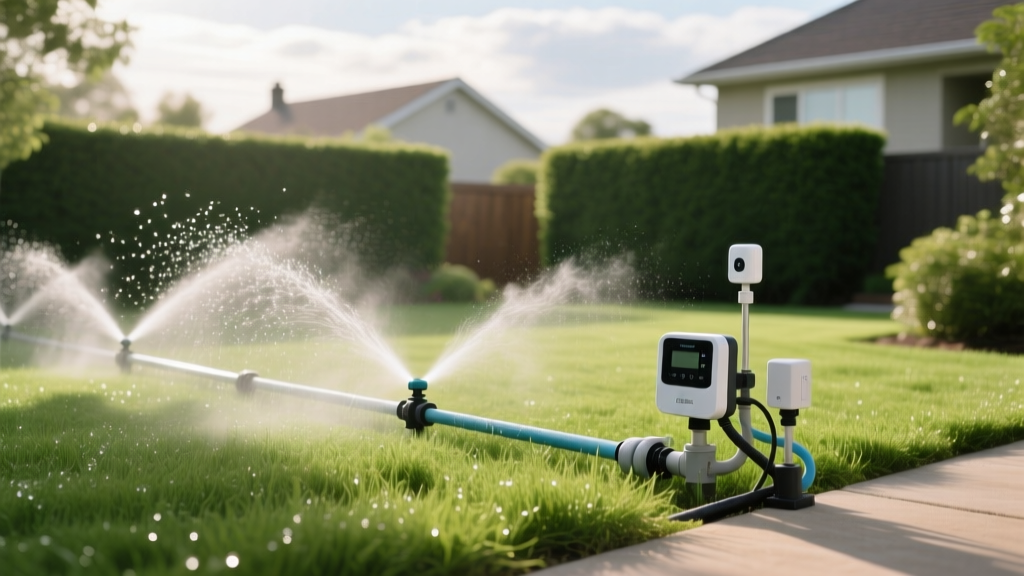
Fix These 5 Common Smart Irrigation System Mistakes
Mike RodriguezPublished
Why Your Smart Irrigation System Might Be Failing
Upgrading to a smart irrigation controller is one of the most effective ways to bridge smart home technology with energy-efficient landscaping. By automating your watering schedule based on real-time environmental data, you can maintain a lush, garden-to-table ready landscape while conserving vital resources. In fact, outdoor water use accounts for nearly 30% of total household water use, and the Environmental Protection Agency (EPA) notes that WaterSense labeled smart controllers can save the average home nearly 7,600 gallons of water annually.
However, simply swapping out an old mechanical timer for a Wi-Fi-enabled smart controller does not guarantee a healthier lawn or a lower water bill. Many homeowners fall into predictable traps during installation and programming. Below, we break down the five most common smart irrigation mistakes and provide actionable, cost-effective fixes to optimize your outdoor living space.
Mistake 1: Failing to Hydrozone Your Landscape
The Problem: Hydrozoning is the practice of grouping plants with similar water, sun, and soil requirements into the same irrigation zone. A frequent mistake is wiring a smart controller to an outdated valve layout where a single zone waters both a sun-baked Kentucky Bluegrass lawn and a deeply shaded bed of moisture-loving hostas. Even the most advanced AI-driven controller cannot compensate for a physically flawed zone layout. If the controller waters long enough to keep the sunny grass alive, it will drown the shade plants and promote root rot and fungal diseases.
The Fix: Audit your landscape and reconfigure your irrigation valves to reflect distinct microclimates.
- Zone 1: High-sun turfgrass areas.
- Zone 2: Shaded turf or groundcover.
- Zone 3: Drip irrigation for shrubs, raised garden beds, and foundation plantings.
Mistake 2: Mixing Sprinkler Head Types on a Single Valve
The Problem: Not all sprinkler heads apply water at the same rate. Traditional spray heads (the ones that pop up and emit a steady fan of mist) have a high precipitation rate of roughly 1.5 inches per hour. Rotor heads (which shoot a single stream that rotates) apply water much slower, at about 0.4 to 0.6 inches per hour. If you have a zone that mixes spray heads and rotors, the spray head areas will flood and create runoff long before the rotor areas receive adequate moisture.
The Fix: Never mix head types on the same valve. If you have a zone with mixed heads, the most cost-effective and water-efficient fix is to swap out the standard spray nozzles for rotary nozzles, such as the Hunter MP Rotator or Rain Bird R-VAN. These nozzles screw directly into your existing spray bodies but apply water at a much slower rate (approx. 0.4 inches per hour), matching the precipitation rate of your larger rotors.
Cost & Timing: MP Rotators cost about $6 to $9 each. Replacing 10 nozzles will cost under $100 and can be done in an afternoon with a simple nozzle tool. This fix dramatically reduces runoff and allows water to penetrate deep into the soil profile, encouraging drought-resistant root growth.
Mistake 3: Ignoring Soil Moisture Sensor Integration
The Problem: Most entry-level smart controllers (like the basic Orbit B-hyve or standard Rachio models) rely on 'Weather-Based' or Evapotranspiration (ET) data. They pull local weather forecasts from the internet to estimate how much water your lawn has lost to evaporation. However, ET data does not know your specific soil type. If you have heavy clay soil, it retains water much longer than sandy soil. Relying solely on weather data can lead to overwatering, as the controller assumes the soil has dried out based on the sun and wind, even when the root zone is still saturated.
The Fix: Integrate a wireless soil moisture sensor into your smart home ecosystem. Devices like the Toro Precision Soil Sensor or the Rachio Wireless Flow Meter and Soil Sensor bundle bury a probe directly in the root zone of your most critical landscaping areas. The sensor communicates directly with the controller, physically overriding the weather-based schedule if the soil already holds adequate moisture. According to research published by the University of Florida IFAS Extension, combining soil moisture sensors with smart controllers can reduce outdoor water use by up to 70% compared to traditional time-clock timers.
Mistake 4: Skipping the Seasonal 'Catch-Can' Audit
The Problem: Many homeowners install a smart controller in the spring, set it to 'Auto-Adjust,' and never look at it again. Over time, sprinkler heads sink into the soil, nozzles clog with debris, and filters become blocked. A smart controller will blindly run a zone for 20 minutes, unaware that three of the heads are blocked and the grass is turning brown.
The Fix: Perform a 'Catch-Can Test' at the start of the irrigation season and again in mid-summer. This simple audit tells you exactly how many inches of water your system is actually applying per hour.
- Place 5 to 6 flat-bottomed cans (tuna cans work perfectly) at random distances across a single irrigation zone.
- Run that specific zone for exactly 15 minutes.
- Measure the depth of water in each can using a ruler and calculate the average depth.
- Multiply the average by 4 to determine your system's Precipitation Rate (inches per hour).
Mistake 5: Over-Relying on Zip Code Weather Data
The Problem: Wi-Fi controllers typically pull weather data from the nearest major airport or municipal weather station based on your zip code. But airports are often miles away and feature vast expanses of heat-absorbing concrete. Your backyard, surrounded by a dense canopy of oak trees and shaded by your home, operates in a completely different microclimate. Basing your delicate garden-to-table vegetable irrigation on airport tarmac data will result in severe underwatering.
The Fix: Bridge the gap between macro-weather and microclimate data by installing a localized smart weather station. The WeatherFlow Tempest or the Netatmo Smart Weather Station can be mounted on your fence or roof, measuring hyper-local rainfall, wind speed, and solar radiation. Many premium smart controllers, such as the Hunter Hydrawise Pro-HC or the Rachio 3, allow you to connect a personal weather station via IFTTT or direct API integration. This ensures that a passing afternoon thunderstorm that missed the airport but soaked your backyard is immediately registered, automatically skipping the evening's scheduled watering cycle.
Comparison Chart: Smart Irrigation Technologies
Choosing the right technology for your landscape is crucial. Use the table below to determine which smart irrigation method best fits your property's unique needs.
| Technology Type | How It Works | Best For | Average Cost | Pros & Cons |
|---|---|---|---|---|
| Weather-Based (ET) | Uses local internet weather data to calculate evaporation rates. | Large, uniform turf lawns in open, sunny areas. | $150 - $250 (Controller only) | Pro: Easy setup. Con: Ignores specific soil types and microclimates. |
| Soil Moisture Sensor | Buried probes measure actual volumetric water content in the root zone. | Clay soils, shaded yards, and high-value garden beds. | $100 - $180 (Sensor add-on) | Pro: Highly accurate, prevents overwatering. Con: Requires burial and wiring/syncing. |
| On-Site Weather Station | Measures hyper-local rain, wind, and solar radiation on your property. | Properties with heavy tree cover or unique microclimates. | $150 - $350 (Station hardware) | Pro: Perfect localized data. Con: Requires mounting and occasional calibration. |
Final Thoughts on Smart Watering
A smart irrigation system is not a 'set it and forget it' magic wand; it is a powerful tool that requires proper physical setup and seasonal calibration. By hydrozoning your landscape, matching your sprinkler head precipitation rates, integrating soil moisture data, performing annual catch-can audits, and localizing your weather data, you will transform your outdoor space into a thriving, water-efficient oasis. Not only will your lawn and garden look better, but you will also see a noticeable drop in your monthly utility bills, proving that smart home integration and environmental stewardship go hand in hand.
