Home & Garden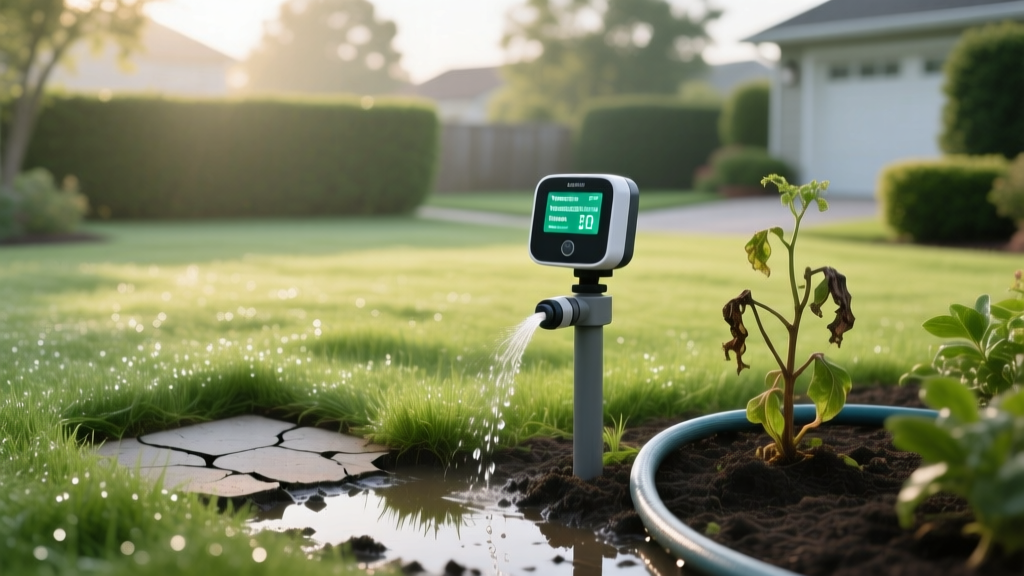
Smart Irrigation Myths Busted: Fact vs Fiction Guide
Sarah ChenPublished
Smart Irrigation Myths Busted: Separating Fact from Fiction
When it comes to maintaining a lush, green lawn and a thriving garden, watering seems like the most straightforward task. However, the landscape of lawn care is riddled with outdated advice, misunderstood science, and persistent myths. As smart home technology integrates deeper into our outdoor living spaces, the gap between traditional gardening folklore and modern, data-driven landscaping is widening. At LawnGuide, we believe in bridging the gap between indoor smart home convenience and outdoor energy-efficient landscaping. Today, we are tackling the most pervasive lawn watering and smart irrigation myths, separating fact from fiction, and providing you with actionable, science-backed advice to save water, time, and money.
Myth #1: Watering Your Lawn Every Day Keeps It Healthiest
The Fiction
Many homeowners believe that running their sprinklers for 15 minutes every single day is the secret to a vibrant, drought-resistant lawn. The logic seems sound: plants need water, so more frequent water must equal a healthier plant.
The Fact
Daily, shallow watering is actually one of the worst things you can do for your turf. It encourages grass roots to stay near the surface where moisture is readily available. When the summer heat spikes, these shallow roots dry out rapidly, leading to brown patches and increased susceptibility to weeds and pests. According to Texas A&M AgriLife Extension, lawns require deep, infrequent watering to force roots to grow downward in search of moisture, creating a more resilient root system.
Actionable Advice
- The 1-Inch Rule: Most established lawns need exactly 1 to 1.5 inches of water per week, including rainfall.
- The Tuna Can Test: Place empty, flat tuna cans across your lawn zones. Run your sprinklers until the cans collect 0.5 inches of water. This is your baseline timing for a twice-a-week deep watering schedule.
- Soil Type Matters: Clay soils retain water longer and may only need watering once a week, while sandy soils drain quickly and might require three shorter sessions to prevent runoff.
Myth #2: Smart Irrigation Controllers Are Too Expensive and Complicated
The Fiction
Upgrading to a smart sprinkler controller is a luxury reserved for massive estates or tech-obsessed millionaires. Furthermore, connecting a smart controller to Wi-Fi and programming it is a weekend-ruining headache.
The Fact
The cost of smart home integration for irrigation has plummeted over the last five years, and the return on investment (ROI) is incredibly fast. The EPA WaterSense program reports that Weather-Based Irrigation Controllers (WBICs) can save the average home nearly 7,600 gallons of water annually. When you factor in local utility rebates—which often cover 50% to 100% of the purchase price—a smart controller can pay for itself in a single season.
Actionable Advice & Cost Breakdown
Here is a look at top-tier, user-friendly smart controllers currently on the market:
- Orbit B-hyve (8-Zone): Retails around $120. Ideal for beginners. Features a simple dial interface and an intuitive app that automatically adjusts watering based on local weather forecasts.
- Rachio 3 (8-Zone): Retails around $230. The gold standard for smart home integration. It connects seamlessly with Alexa, Google Home, and Apple HomeKit, and features hyper-local weather intelligence plus soil type customization.
- Hunter Hydrawise (Pro-HC): Retails around $300. Best for complex landscapes with mixed plant types, offering advanced flow metering to detect broken pipes or leaky valves.
Pro Tip: Before purchasing, visit your local municipal water provider's website. Many cities offer instant rebates for EPA WaterSense-labeled smart controllers, drastically reducing your out-of-pocket costs.
Myth #3: Watering at Night is Best Because Evaporation is Lowest
The Fiction
To avoid losing water to the hot afternoon sun, homeowners often set their traditional timers to run at 10:00 PM or midnight. The assumption is that the cooler night air allows water to soak deeply into the soil without evaporating.
The Fact
While evaporation is indeed lower at night, leaving grass blades wet for 8 to 10 hours in the cool, dark, and stagnant night air creates the perfect breeding ground for fungal diseases like brown patch, dollar spot, and powdery mildew. Once fungus takes hold, it requires expensive chemical fungicides and can destroy a lawn in weeks.
Actionable Advice
The optimal watering window is between 4:00 AM and 8:00 AM. During this time, the air is still cool enough to minimize evaporation, and the rising sun will quickly dry the grass blades, preventing fungal spores from germinating. Smart controllers make this effortless, allowing you to set precise start times and utilize "cycle and soak" features that run zones in short bursts to prevent runoff while ensuring deep penetration.
Myth #4: All Smart Controllers Use the Same Technology
The Fiction
If it connects to Wi-Fi and has an app, it is a "smart" controller, and they all function exactly the same way.
The Fact
There are two distinctly different types of smart irrigation technology, and choosing the wrong one for your specific landscape can lead to poor plant health. Understanding the difference between Evapotranspiration (ET) and Soil Moisture Sensor (SMS) technology is crucial for energy-efficient landscaping.
Smart Controller Comparison Chart
| Feature | Weather-Based (ET) Controllers | Soil Moisture Sensor (SMS) Controllers |
|---|---|---|
| How It Works | Uses local weather data (temp, humidity, wind, solar radiation) to calculate water loss and adjust schedules. | Uses physical probes buried in the root zone to measure actual volumetric water content in the soil. |
| Best For | Large lawns, uniform turf areas, and homeowners wanting a "set it and forget it" solution. | Mixed landscape beds, shaded areas, slopes, and microclimates where weather data doesn't match ground reality. |
| Installation | Easy. Replaces the old timer on the wall. Connects to Wi-Fi. | Moderate. Requires burying sensors in the soil and running low-voltage wires back to the controller. |
| Top Product Example | Rachio 3 Smart Sprinkler Controller | Hunter ICC2 with Solar Sync or Soil-Clik |
| Average Cost | $120 - $250 | $200 - $400 (including sensors) |
Myth #5: Smart Controllers Eliminate the Need for System Maintenance
The Fiction
Once you install a smart controller, your irrigation system is entirely autonomous and will maintain perfect landscape health without any human intervention.
The Fact
A smart controller is only as good as the hardware it commands. If a sprinkler head is clogged, a valve is leaking, or a spray pattern is misaligned and watering the driveway, the smart controller will not know. It will simply execute its highly efficient schedule through a broken system, wasting water and money.
Actionable Advice: The Seasonal Audit
To ensure your smart home integration is actually saving water, you must perform a physical system audit twice a year (Spring and Fall).
- Visual Inspection: Run each zone manually via your app. Walk the property and look for geysers (broken heads), misting (high pressure), or dry spots (clogged nozzles).
- Check Alignment: Ensure rotary nozzles and spray heads are not watering sidewalks, fences, or the side of your house. This is a massive source of water waste.
- Upgrade Nozzles: If you have older spray heads, swap them for Multi-Stream Rotating Nozzles (like the Hunter MP Rotator). These apply water at a much slower rate (0.4 inches per hour compared to 1.5 inches per hour for standard sprays), virtually eliminating runoff on clay soils and slopes.
- Update App Settings: Ensure your app's seasonal shift and plant type settings are accurate. If you planted a new drought-tolerant garden bed, update that specific zone's vegetation type in the app so the controller reduces water output accordingly.
Conclusion: Embrace the Data
The transition from traditional, timer-based watering to smart, data-driven irrigation is one of the most impactful upgrades a homeowner can make. By busting these common myths, you can stop relying on guesswork and outdated folklore. Deep, infrequent watering builds resilient roots; early morning schedules prevent disease; and modern smart controllers offer an accessible, cost-effective way to automate your outdoor chores. Whether you opt for a budget-friendly Orbit B-hyve or a premium Rachio 3, integrating smart technology into your garden-to-table and outdoor living spaces ensures your landscape remains vibrant, sustainable, and effortlessly maintained for years to come.
