Gardening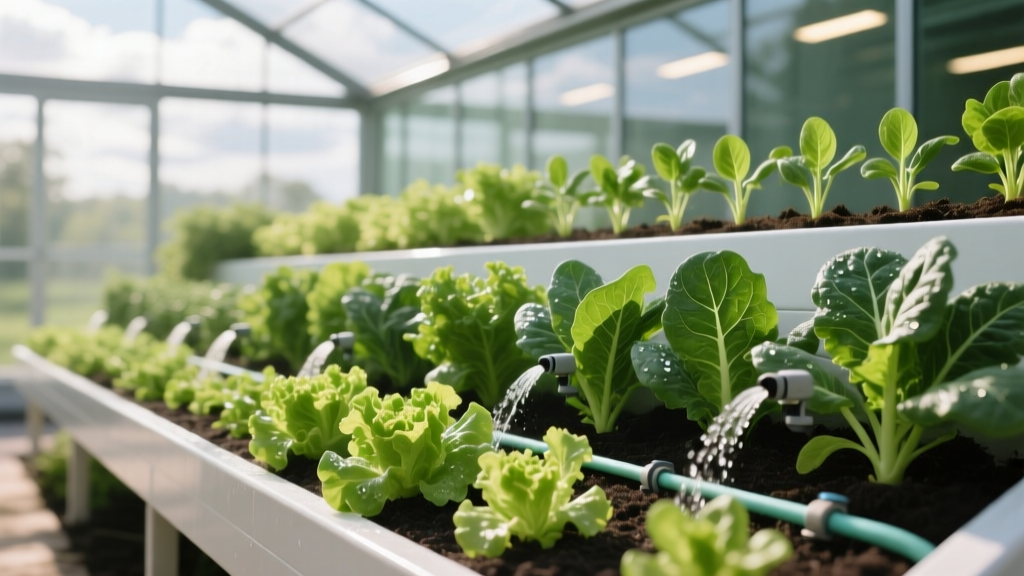
2026 Irrigation Guide for Succession Planted Leafy Greens
Anna KowalskiPublished
The Challenge of Succession Planting Leafy Greens
Succession planting is the cornerstone of a continuous, bountiful harvest. By sowing seeds for leafy greens like lettuce, spinach, and kale every 14 to 21 days, you ensure a steady supply of fresh produce from early spring through late fall. However, this highly effective gardening technique introduces a complex irrigation dilemma. When you practice succession planting, a single raised bed or garden row will simultaneously host seeds requiring constant surface moisture, delicate seedlings needing gentle hydration, and mature plants demanding deep, infrequent root watering.
As we navigate the 2026 growing season, water conservation and precision agriculture are more critical than ever. With many municipalities enforcing stricter 2026 water restrictions, relying on outdated, manual watering methods or inefficient overhead sprinklers is no longer viable. To maximize your yield and minimize water waste, you must implement a zoned, smart irrigation system tailored specifically to the varying life stages of your leafy greens.
Why Overhead Sprinklers Fail in Succession Beds
While traditional overhead sprinklers might seem like a convenient catch-all solution, they are notoriously inefficient for succession-planted leafy greens. Wetting the foliage of mature spinach and kale promotes fungal diseases like powdery mildew and downy mildew, which can decimate a crop in days. Furthermore, overhead watering leads to significant evaporation loss, especially during the heat of midsummer. According to the University of Massachusetts Extension, drip irrigation can reduce water usage by up to 50% compared to overhead sprinklers while simultaneously increasing crop yields by delivering moisture directly to the root zone.
Consistent soil moisture is the primary factor in preventing lettuce from bolting and turning bitter. Fluctuations in water availability stress the plant, triggering premature flowering.
The 2026 Smart Irrigation Hardware Stack
To successfully irrigate a succession-planted bed, you need a hybrid approach that combines drip tape for established plants and micro-sprinklers for seed germination, all managed by a modern smart controller.
1. Drip Tape for Established Greens
For mature lettuce, spinach, and kale, 8-inch emitter spacing drip tape (such as Netafim or Toro Aqua-Traxx) is the gold standard. The 8-inch spacing aligns perfectly with the standard planting grid for leafy greens, ensuring every plant has a dedicated water source. In 2026, a high-quality 100-foot roll of pressure-compensating drip tape costs approximately $45 to $60, making it an affordable investment for serious home gardeners.
2. Micro-Sprinklers for Germination Zones
Seeds and young seedlings cannot rely on deep drip irrigation; their shallow root systems require consistent surface moisture. Low-volume micro-sprinklers (like those from DIG or Rain Bird) that deliver a fine, gentle mist are ideal for newly sown succession blocks. They provide the necessary surface moisture without washing away delicate seeds or compacting the soil.
3. Smart Controllers and Weather Intelligence
The brain of your 2026 irrigation setup is a Wi-Fi-enabled smart controller. Models like the Rachio 4 or the Orbit B-hyve XR utilize hyperlocal weather intelligence APIs to automatically adjust watering schedules based on real-time evapotranspiration (ET) rates, rainfall, and humidity. The EPA WaterSense program highly recommends smart controllers, noting they can save the average home thousands of gallons of water annually by preventing overwatering during unexpected rain events.
Zoning Your Garden for Multiple Growth Stages
The secret to irrigating a succession-planted bed is dividing your garden into distinct hydrozones. Because you are planting new seeds every two weeks, you should dedicate specific irrigation valves to different growth stages rather than watering the entire bed on a single schedule.
| Growth Stage | Irrigation Type | Watering Frequency | Duration (Approx.) |
|---|---|---|---|
| Germination (Days 1-10) | Micro-Sprinklers | Daily (or twice daily in heat) | 3-5 minutes |
| Seedling (Days 11-25) | Drip Tape / Micro-Drip | Every 2 days | 10-15 minutes |
| Vegetative/Mature (Day 26+) | Drip Tape | Twice a week (deep soak) | 20-30 minutes |
By running separate lateral lines with individual inline valves for each succession block, your smart controller can water the germination zone daily while simultaneously deep-soaking the mature kale zone twice a week.
Crop-Specific Irrigation Profiles
Lettuce: Shallow Roots, High Demand
Lettuce features a shallow root system, making it highly susceptible to drought stress. According to the University of Minnesota Extension, lettuce requires consistent, even moisture to develop crisp, sweet leaves. Drip tape placed two inches from the base of the plants is ideal. Avoid letting the top inch of soil dry out completely during the vegetative stage, but ensure the soil drains well to prevent root rot.
Spinach: Deep Taproots and Dry Foliage
Unlike lettuce, spinach develops a deeper taproot and is notoriously prone to fungal leaf spot diseases if its foliage remains wet. Overhead sprinklers should never be used on spinach past the germination stage. Transition spinach to drip tape as soon as the first true leaves emerge. Water deeply but less frequently to encourage the taproot to stretch downward, improving the plant's resilience against late-spring temperature fluctuations.
Kale: Hardy and Deep-Rooted
Kale is the most forgiving of the three leafy greens. It is deeply rooted and highly drought-tolerant once established. While it still benefits from drip irrigation, mature kale plants prefer a thorough, deep soaking once or twice a week rather than frequent, shallow waterings. Allowing the top layer of soil to dry slightly between waterings can actually improve the flavor of kale, especially after a light frost.
Step-by-Step Installation for Succession Beds
- Lay the Mainline: Run a 1/2-inch polyethylene mainline along the edge of your raised beds or garden rows.
- Install Inline Valves: Attach 1/4-inch inline manual or automated valves to the mainline at the start of each succession block. This allows you to shut off water to a zone that is currently being harvested and prepped for new soil.
- Deploy Drip Tape: Lay the drip tape down the center of your rows. Use landscape staples to secure the tape and prevent it from kinking or shifting during soil cultivation.
- Set Up Micro-Sprinklers: For your active germination zones, attach 1/4-inch micro-tubing to the mainline and stake low-volume micro-sprinklers at 3-foot intervals to ensure overlapping coverage.
- Connect to the Smart Manifold: Wire your zone valves to your smart controller. Input your plant types, soil type (e.g., loam or raised bed mix), and sun exposure into the controller's app to generate a baseline 2026 watering schedule.
Troubleshooting Common Irrigation Issues
Even the best-designed systems require maintenance. Here are common issues gardeners face with leafy green irrigation and how to solve them:
- Clogged Emitters: Drip tape emitters can clog due to mineral buildup or soil debris. Always install a 120-mesh screen filter at your water source and flush the ends of your drip lines monthly by opening the end caps and letting the water run clear for one minute.
- Uneven Germination: If your spinach or lettuce seeds are sprouting unevenly, check your micro-sprinkler overlap. Wind can easily blow a fine mist off course. Consider adding a windbreak or switching to low-angle micro-sprayers that stay closer to the soil surface.
- Overwatering Mature Greens: If your mature kale or lettuce leaves are turning yellow and wilting despite wet soil, you are likely overwatering. Use a soil moisture probe to check the root zone. If the soil is soggy 4 inches down, reduce your smart controller's watering duration by 20%.
Conclusion
Mastering succession planting for lettuce, spinach, and kale requires more than just dropping seeds in the ground every two weeks; it demands a sophisticated, responsive approach to hydration. By leveraging the latest 2026 smart irrigation technology, combining drip tape with micro-sprinklers, and zoning your garden to respect the unique water needs of each growth stage, you can achieve a continuous, high-yield harvest. Not only will your leafy greens be crisper, sweeter, and disease-free, but you will also be practicing responsible water stewardship in an era where conservation is paramount.
