Home & Garden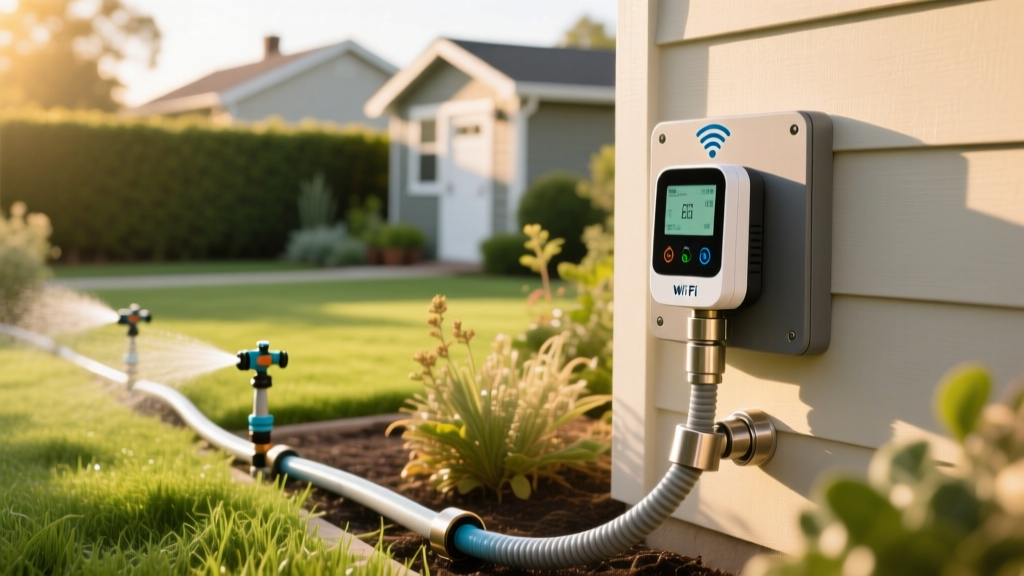
Smart Irrigation System Costs, Savings, and Budget Guide
James MillerPublished
The True Cost of Upgrading to Smart Irrigation
Bridging the gap between lush outdoor living spaces and indoor smart home technology, smart irrigation systems represent one of the most impactful upgrades a modern homeowner can make. Traditional sprinkler timers operate on rigid schedules, watering your lawn whether it is experiencing a drought or a torrential downpour. Smart irrigation controllers, on the other hand, utilize local weather data, evapotranspiration (ET) rates, and soil moisture sensors to deliver the exact amount of water your landscape needs, precisely when it needs it.
For homeowners looking to embrace energy-efficient landscaping and reduce their monthly utility bills, the financial question remains: How much does a smart irrigation system actually cost, and what is the realistic return on investment? According to the EPA WaterSense program, smart irrigation controllers can save the average home nearly 8,800 gallons of water annually. However, the upfront costs can vary wildly depending on whether you are executing a simple DIY retrofit or a comprehensive landscape overhaul.
This comprehensive budgeting guide will break down the costs of smart irrigation components, outline three distinct budget tiers for your garden, and help you calculate your potential water savings and available utility rebates.
Breakdown of Smart Irrigation System Costs
Before establishing a budget, it is crucial to understand the individual components that make up a modern, water-efficient irrigation network. You do not necessarily need to replace your underground PVC piping or sprinkler heads to go 'smart.' Often, the intelligence of the system lives in the controller and the sensors.
| Component | Average Cost Range | Primary Function |
|---|---|---|
| Smart Wi-Fi Controller | $100 - $350 | Replaces traditional timer; adjusts schedules via local weather data and smartphone apps. |
| Soil Moisture Sensor | $50 - $150 | Measures actual volumetric water content in the root zone to prevent overwatering. |
| Rain/Freeze Sensor | $30 - $80 | Halts irrigation cycles during precipitation or near-freezing temperatures. |
| Wireless Flow Meter | $100 - $250 | Tracks exact water usage per zone and alerts you to underground leaks or broken heads. |
| Master Valve & Relay | $75 - $150 | Shuts off the main water supply when the system is idle, preventing slow leaks. |
| Professional Installation Labor | $75 - $150 per hour | Required for trenching, wiring, pipe repair, and complex electrical connections. |
Budget Tiers for Every Yard
Whether you are managing a small urban garden or a sprawling suburban estate, there is a smart irrigation budget tier that fits your financial and landscaping goals. Below are three common approaches to upgrading your outdoor water management.
Tier 1: The DIY Smart Retrofit ($150 - $300)
If your existing underground pipes, valves, and sprinkler heads are in good working condition, the most cost-effective route is a controller swap. This tier involves purchasing a Wi-Fi-enabled smart controller and wiring it into your existing setup. Popular models in this range include the Orbit B-hyve and the entry-level Rachio controllers. These devices connect to your home's 2.4GHz Wi-Fi network and pull hyper-local weather data from the internet to automatically adjust watering durations.
This tier is highly favored by DIY enthusiasts because it requires only basic tools—a screwdriver, wire strippers, and a smartphone. The primary cost is the hardware itself. By taking the Texas A&M AgriLife Extension advice on utilizing weather-based 'smart' controllers, homeowners in this tier can immediately begin reducing outdoor water waste without the expense of hiring a landscaping contractor.
Tier 2: The Sensor-Enhanced Hybrid ($500 - $1,200)
For homeowners who want granular control and leak protection, Tier 2 introduces vital hardware sensors and flow monitoring. In addition to a premium smart controller (such as the Rachio 3 or Rain Bird ST8I-2.0), this budget includes the installation of a wireless flow meter and dedicated soil moisture sensors placed in high-stress areas of the lawn, such as south-facing slopes or heavily shaded garden beds.
The flow meter is a game-changer for budget-conscious homeowners because it provides real-time alerts to your phone if a pipe bursts or a sprinkler head is sheared off by a lawnmower. Catching a leak early can save hundreds of dollars in wasted water and prevent catastrophic landscape erosion. This tier may require a few hours of professional labor to properly splice the flow meter into your main irrigation line and run low-voltage sensor wiring across the yard.
Tier 3: The Premium Full-Yard Overhaul ($2,500 - $5,000+)
Tier 3 is reserved for new construction, major landscape renovations, or properties transitioning to highly water-efficient xeriscaping and garden-to-table vegetable beds. This budget encompasses the smart controller and sensors, but also includes replacing outdated spray heads with high-efficiency rotary nozzles, converting traditional shrub zones to subsurface drip irrigation, and installing a master valve to protect the home's foundation from slow water leaks.
Drip irrigation is exceptionally efficient for garden-to-table raised beds and ornamental borders, delivering water directly to the root zone and eliminating wind drift and evaporation. Because this tier involves extensive trenching, pipe fitting, and electrical work, professional installation is mandatory. While the upfront cost is significant, it drastically reduces long-term maintenance, weed growth, and water consumption.
Calculating Your Return on Investment (ROI)
Budgeting for a smart irrigation system is not just about the upfront expense; it is about long-term savings and resource conservation. The EPA WaterSense Statistics and Facts database notes that outdoor water use can account for up to 60% of total household water consumption in arid climates during the summer months. By eliminating unnecessary watering cycles, a smart system typically reduces outdoor water use by 20% to 50%.
To calculate your personal ROI, review your summer water bills from the previous year. If you spend $150 a month on water during peak summer, a 30% reduction in outdoor usage could save you $45 to $60 per month. In this scenario, a Tier 1 smart controller pays for itself in less than one full irrigation season.
Furthermore, many municipal water districts and local utility companies offer aggressive cash rebates for installing WaterSense-labeled smart controllers. It is not uncommon for utility companies to rebate 50% to 100% of the purchase price of a smart controller, effectively making the Tier 1 upgrade nearly free. Always check your local water provider's conservation portal before purchasing your equipment.
Hidden Costs to Watch Out For
When drafting your landscaping budget, be sure to account for a few peripheral costs that often catch homeowners off guard:
- Wi-Fi Dead Zones: Irrigation controllers are typically mounted in the garage, basement, or on the side of the house. If your home router does not reach these areas, you may need to purchase a Wi-Fi mesh node or extender ($50 - $150) to keep the controller online.
- Winterization Services: If you live in a climate with freezing winters, your smart system (including the flow meter and sensors) must be properly blown out with compressed air each autumn. Professional blowout services typically cost $75 to $150 per visit.
- Subscription Fees: While the vast majority of top-tier residential smart controllers offer free lifetime access to their apps and weather data, some niche or commercial-grade systems charge an annual cloud subscription fee. Always verify the software licensing model before purchasing.
- Electrical Upgrades: Smart controllers require a standard 120V outlet to power their internal transformer. If your current timer is battery-operated or hardwired without a nearby outlet, hiring an electrician to run a new line can add $200 to $400 to your project.
Conclusion
Integrating smart home technology into your outdoor living space is one of the most financially sound and environmentally responsible decisions a homeowner can make. Whether you opt for a simple $150 DIY controller swap or invest in a $4,000 comprehensive drip-irrigation overhaul, the ability to manage your landscape's hydration from the palm of your hand offers unparalleled convenience and peace of mind.
By understanding the component costs, leveraging local utility rebates, and choosing the budget tier that aligns with your landscape's specific needs, you can cultivate a vibrant, healthy garden while keeping your monthly water bills firmly under control. Start by auditing your current irrigation zones, checking your local rebate availability, and taking the first step toward a smarter, more sustainable home landscape.
