Home & Garden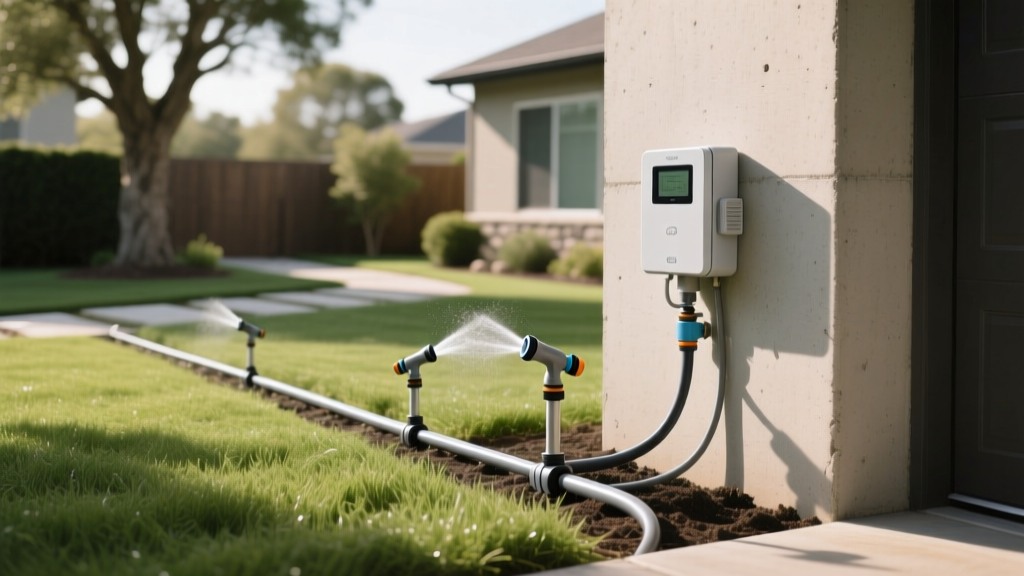
Smart Irrigation System Costs: A Complete Budget Guide
Lisa ThompsonPublished
The True Cost of Smart Irrigation: A Homeowner's Budget Guide
As outdoor living spaces become extensions of our indoor homes, maintaining a lush lawn and thriving garden-to-table vegetable beds requires precise hydration. However, traditional timers often lead to overwatering, inflated utility bills, and stressed plants. Enter the smart irrigation system. By leveraging local weather data, soil moisture levels, and Wi-Fi connectivity, these systems optimize water usage. But before you start digging trenches or pairing apps, you need a clear financial roadmap. This comprehensive budgeting guide breaks down the exact costs of upgrading to a smart irrigation system, helping you maximize your landscape's beauty while minimizing water waste.
Core Components and Hardware Costs
A smart irrigation setup is more than just a fancy timer on your garage wall. It is an ecosystem of controllers, sensors, and specialized sprinkler heads. Budgeting accurately requires understanding the tiered pricing of these components.
1. Smart Controllers
The brain of your system replaces your legacy dial timer. Weather-based controllers adjust schedules automatically based on local forecasts, while soil-based controllers rely on ground sensors.
- Budget Tier ($80 - $120): Brands like B-hyve offer entry-level Wi-Fi controllers that connect to local weather stations. Ideal for small urban lawns with 4 to 6 zones.
- Mid-Range Tier ($150 - $220): The Rachio 3 or Orbit B-hyve Pro. These offer advanced features like hyper-local weather intelligence, freeze skips, and seamless smart home integration (Alexa, Google Home).
- Premium Tier ($250 - $400+): Professional-grade models like Hunter Pro-C with Hydrawise or Rain Bird ESP-TM2. These feature heavy-duty relays, master valve support, and flow sensors for large estates.
2. Environmental Sensors
While many smart controllers use internet weather data, adding physical sensors provides ground-truth accuracy, especially in microclimates created by patio overhangs or dense tree canopies.
- Rain Sensors ($30 - $60): A basic necessity. Wireless models mount easily to your fence or roofline and halt watering during precipitation.
- Soil Moisture Sensors ($100 - $200): Buried in the root zone of your lawn or raised garden beds, these prevent watering when the soil already holds adequate moisture.
- Flow Sensors ($120 - $250): Crucial for leak detection. If a pipe breaks, the flow sensor alerts your smartphone and automatically shuts off the master valve, saving you from catastrophic water bills.
3. High-Efficiency Sprinkler Heads and Nozzles
Upgrading your controller is only half the battle. Traditional spray heads lose up to 30% of water to wind drift and evaporation. Budgeting for Rotary Nozzles (like the Hunter MP Rotator or Rain Bird R-VAN) is essential. These apply water slowly and evenly, allowing it to soak into the soil rather than running off into the street.
Hardware Cost Comparison Chart
Use this table to estimate your baseline hardware expenses based on your landscape's complexity.
| Component | Budget Option | Mid-Range | Premium / Pro-Grade |
|---|---|---|---|
| Smart Controller (8-Zone) | $90 | $160 | $320 |
| Wireless Rain/Freeze Sensor | $35 | $55 | $85 |
| Soil Moisture Sensor Kit | $75 | $140 | $220 |
| Rotary Nozzles (10-pack) | $45 | $65 | $90 |
| Flow Sensor & Master Valve | N/A | $180 | $350 |
Integrating Drip Irrigation for Garden-to-Table Beds
For homeowners blending outdoor living with garden-to-table cooking, dedicated drip irrigation zones are non-negotiable. Overhead watering promotes fungal diseases on tomatoes and washes away nutrients in raised beds. When budgeting, allocate funds for a drip conversion kit.
Drip Irrigation Budgeting:
- Conversion Filter & Pressure Regulator: $30 - $50. Drip lines require low pressure (25 PSI) to prevent blowouts.
- 1/2-inch Distribution Tubing (100 ft): $25 - $40.
- Emitters and Micro-Sprayers: $15 - $30 per zone.
- Smart Drip Controller (Add-on): If your main system doesn't have spare zones, a standalone smart drip timer (like the Rachio Wireless Flow Meter paired with a smart valve) costs around $120.
Bonus Budgeting: Integrating Smart Landscape Lighting
While planning your smart irrigation, consider the electrical infrastructure of your outdoor living space. Many homeowners use the same low-voltage transformer pathways to run smart landscape lighting. Adding a Wi-Fi-enabled low-voltage transformer ($80 - $150) allows you to sync your patio lighting with your irrigation schedule. For example, your smart home hub can trigger pathway lights to illuminate when the irrigation system finishes its evening cycle, ensuring you can safely navigate your garden-to-table harvest without stepping on wet turf. Budget an additional $200 to $400 for LED fixtures and smart transformers to fully automate your evening outdoor experience.
Professional Installation vs. DIY Labor Costs
The installation route you choose will drastically alter your final budget.
The DIY Route
If you are replacing an existing controller and swapping sprinkler nozzles, this is a highly manageable weekend DIY project. Your only costs are the hardware and basic tools (wire strippers, waterproof gel wire connectors, and a specialized nozzle tool). Total DIY labor cost: $0. However, if you are trenching new lines for garden beds or installing a master valve, the physical labor is immense.
Hiring a Professional
Licensed irrigation contractors typically charge between $75 and $150 per hour. A full system retrofit—including swapping the controller, installing a rain sensor, upgrading all spray heads to rotary nozzles, and adding a drip zone for your patio garden—will generally take a two-person crew one to two days. Expect professional labor to add $600 to $1,500 to your total budget. If your system requires extensive trenching, pipe repairs, or electrical work to run a new 24V wire to the controller, labor costs can easily exceed $2,500.
Return on Investment (ROI) and Water Savings
When evaluating the cost of a smart irrigation system, you must factor in the long-term utility savings. According to the U.S. Environmental Protection Agency (EPA) WaterSense program, outdoor water use accounts for 30% of total household water use, and up to 50% of it is wasted due to wind, evaporation, and runoff from inefficient systems.
“WaterSense labeled weather-based irrigation controllers can save the average home nearly 7,600 gallons of water annually. Nationwide, if all homes installed WaterSense labeled smart controllers, we could save $435 million in water costs and 120 billion gallons of water per year.” — U.S. EPA WaterSense
If your local water utility charges $5 per 1,000 gallons, saving 7,600 gallons yields about $38 annually. However, in drought-prone regions like California, Texas, or Arizona, where tiered water pricing penalizes heavy usage, savings can easily exceed $200 to $400 per year. In these areas, a mid-range smart controller pays for itself in a single season.
Hidden Costs to Watch Out For
To keep your budgeting realistic, set aside a 15% contingency fund for these commonly overlooked expenses:
- Wi-Fi Range Extenders ($40 - $80): Smart controllers require a stable 2.4GHz Wi-Fi signal. If your controller is mounted in a detached garage or a far corner of your property, you may need an outdoor-rated mesh node.
- Subscription Fees ($0 - $60/year): Most consumer brands offer free app access. However, some commercial-grade software platforms charge an annual cloud-hosting fee for advanced flow monitoring and analytics.
- Winterization and Blowouts ($50 - $150): If you live in a freezing climate, your system must be blown out with an air compressor every autumn. Adding complex sensors and drip lines increases the time it takes a professional to winterize your system.
- Permitting and Rebate Processing ($0 - $50): Some municipalities require a permit for backflow preventer replacements. Conversely, factor in the time it takes to apply for local water district rebates, which can reimburse up to 100% of your smart controller cost.
Your Step-by-Step Budgeting Action Plan
- Audit Your Current Zones: Map out your existing valves. Note which zones control turf, which control shrubs, and which serve your garden-to-table raised beds.
- Check for Local Rebates: Visit the EPA WaterSense rebate finder or your local municipal water provider's website before purchasing any hardware. Many require the product to be on an approved list to qualify for cash back.
- Phase Your Upgrades: If the total cost is prohibitive, phase the project. Year One: Install the smart controller and rain sensor. Year Two: Upgrade spray heads to rotary nozzles. Year Three: Install dedicated drip lines for your outdoor living and garden areas.
- Maintain the System: Budget $100 annually for spring activation, sensor battery replacements, and nozzle cleaning to ensure your investment continues to operate at peak efficiency.
Conclusion
Upgrading to a smart irrigation system is a strategic investment in both your home's curb appeal and your environmental footprint. While the upfront hardware and labor costs can range from a $150 DIY weekend project to a $3,000 professional landscape overhaul, the integration of precise watering, leak detection, and smart home automation ensures that every drop of water serves your lawn, your garden, and your wallet. By planning your budget around quality components and leveraging local rebates, you can cultivate a stunning, sustainable outdoor oasis without breaking the bank.
