Home & Garden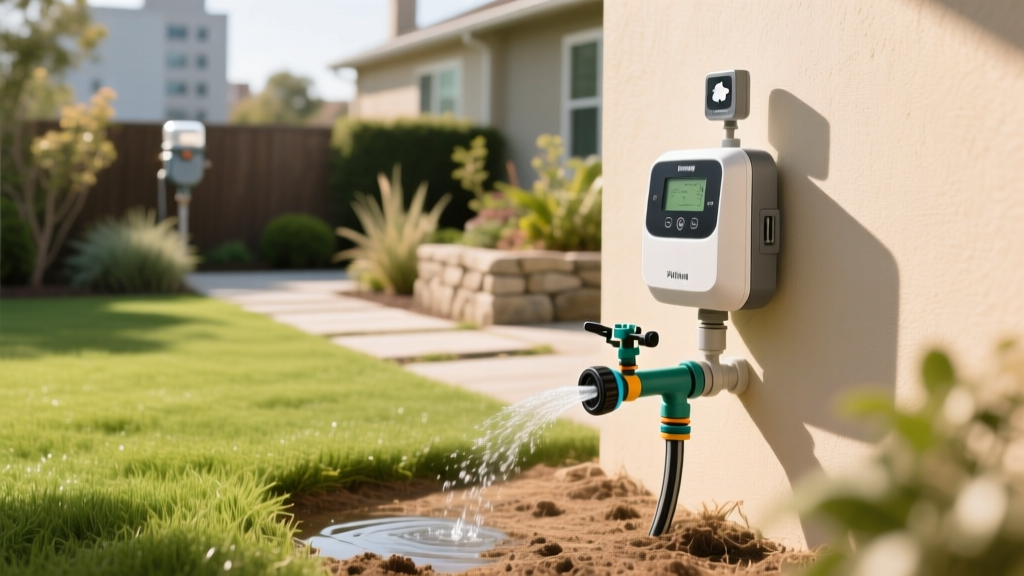
Smart Irrigation Systems: Save Water And Lower Bills
Anna KowalskiPublished
The Hidden Cost of Traditional Sprinkler Timers
For decades, homeowners have relied on mechanical or basic digital sprinkler timers to maintain their lawns. While these devices offer the convenience of automation, they lack the intelligence to adapt to changing environmental conditions. A traditional timer will water your lawn just as heavily during a cool, overcast week as it does during a scorching summer heatwave, and it will continue to run even if a torrential downpour has just saturated your soil. This rigid scheduling leads to massive water waste, higher utility bills, and increased susceptibility to lawn diseases caused by overwatering.
According to the Environmental Protection Agency (EPA), outdoor water use accounts for nearly 30% of total household water use in the United States. Furthermore, the EPA estimates that up to 50% of water used for outdoor irrigation is wasted due to evaporation, wind drift, and runoff from inefficient systems. Upgrading to a smart irrigation system is one of the most impactful home and garden automation projects you can undertake, bridging the gap between lush landscaping and eco-friendly resource management.
How Smart Irrigation Controllers Work
Smart irrigation controllers replace the 'set it and forget it' mentality with dynamic, data-driven watering schedules. They connect to your home Wi-Fi network and pull real-time data to adjust watering durations and frequencies automatically. There are two primary types of smart controllers:
Weather-Based Controllers (Evapotranspiration)
These are the most common and popular smart controllers. They use local weather data—often sourced from hyper-local weather stations or national meteorological databases—to calculate Evapotranspiration (ET). ET is the sum of evaporation from the soil and transpiration from plants. When the controller detects high heat, low humidity, and heavy wind, it increases watering times. When rain is in the forecast or humidity is high, it scales back or skips the cycle entirely.
Soil Moisture Sensor Controllers
Instead of relying on weather forecasts, these systems use physical probes buried in the root zones of your garden beds or lawn. The sensors measure the actual volumetric water content in the soil. If the soil moisture is above the user-defined threshold, the controller overrides the scheduled watering. This method is incredibly accurate for gardens with varied microclimates, heavy clay soils, or steep slopes where runoff is a concern.
Top Smart Sprinkler Controllers Compared
Choosing the right hardware is critical for seamless smart home integration. Based on market performance, user reviews, and expert evaluations like those from Wirecutter's smart sprinkler controller tests, here is how the top models stack up for residential landscapes.
| Model | Zones | Smart Features | Est. Cost | Best For |
|---|---|---|---|---|
| Rachio 3 | 8 or 16 | Weather intelligence+, IFTTT, flow meter support | $230 - $280 | Tech enthusiasts wanting deep smart home integration |
| Orbit B-hyve XR | 6, 8, or 16 | WeatherSense, indoor/outdoor mount, screen on device | $150 - $200 | Budget-conscious buyers wanting a built-in display |
| Rain Bird ST8x-WF | 8 | Wi-Fi module, Rain Bird app integration | $140 - $170 | Existing Rain Bird users wanting a simple Wi-Fi upgrade |
Step-by-Step Installation and Zone Mapping
Installing a smart controller is a highly approachable DIY project that typically takes under an hour. You do not need to be a licensed electrician or landscaper to swap out the brain of your irrigation system.
1. Preparation and Wiring
- Turn off the power: Unplug the old controller or flip the dedicated breaker to ensure safety.
- Label your wires: Before disconnecting anything, use the stickers provided with the new smart controller (or masking tape) to label every wire according to its zone terminal (e.g., Zone 1, Zone 2, Master Valve, Common).
- Take a reference photo: Snap a clear picture of the old wiring block with your smartphone. This is your ultimate backup plan if a label falls off.
- Mount and connect: Install the new mounting bracket, feed the wires through the back, and insert them into the corresponding push-terminals on the smart controller.
2. Landscape Zone Mapping
The hardware is only as good as the software configuration. During the app setup, you must accurately map your landscape zones. Do not just name them 'Front Yard' and 'Backyard.' Input specific details for each zone, including:
- Plant Type: Cool-season grass, warm-season grass, shrubs, or flower beds.
- Sun Exposure: Full sun, partial shade, or full shade.
- Soil Type: Sand (drains fast), loam (ideal), or clay (slow absorption, prone to runoff).
- Sprinkler Head Type: Rotor (slow application), spray (fast application), or drip irrigation.
- Slope: Flat or steep. If steep, the smart controller will automatically use 'cycle and soak' methods to prevent runoff. For example, clay soil absorbs water at roughly 0.2 inches per hour. If a zone needs 0.6 inches, the controller splits it into three separate cycles separated by an hour, allowing water to infiltrate rather than run off into the street.
Smart Home Integration and Automation Routines
Where smart irrigation truly shines is in its ability to bridge outdoor maintenance with indoor smart home ecosystems. By linking your irrigation controller to platforms like Amazon Alexa, Google Home, Apple HomeKit, or IFTTT (If This Then That), you can create powerful automation routines that respond to your lifestyle and the environment.
Useful Automation Ideas
- The 'Mowing Day' Routine: Link your smart mower schedule or a manual voice command to pause the sprinkler system for three hours before and after your scheduled mowing time, ensuring the grass is dry for a clean cut and safe footing.
- Freeze Protection: While most smart controllers have built-in freeze sensors, you can integrate external smart weather stations (like Ambient Weather) to trigger a complete system shutdown and send a push notification to your phone if ground temperatures drop below 32°F.
- Visual Moisture Alerts: Using IFTTT, you can connect wireless soil moisture sensors to your indoor smart lighting. If the soil moisture in your prized tomato garden drops below 20%, your smart hub can trigger a red accent light in the kitchen as a visual reminder to check the drip lines.
- Vacation Mode: Create a 'Leaving for Vacation' routine on your smart home hub that not only arms your security system and turns off interior lights but also switches your irrigation to a conservative 'water-saving' schedule to prevent overwatering while you are away.
Maximizing ROI: Sensors, Drip Lines, and Rebates
To get the absolute most out of your smart irrigation investment, consider pairing the controller with complementary hardware and taking advantage of local incentives.
Add a Smart Flow Meter
Devices like the Rachio Wireless Flow Meter install directly on your main irrigation line. They communicate with your smart controller to monitor water usage down to the gallon. More importantly, if a pipe bursts or a sprinkler head breaks off, the flow meter detects the anomalous spike in water usage and automatically shuts off the main valve, preventing thousands of dollars in landscape damage and water waste.
Convert Garden Beds to Drip Irrigation
Smart controllers can manage drip lines just as easily as sprinkler heads. Drip irrigation delivers water directly to the root zone at a slow rate, achieving up to 90% efficiency compared to the 50-70% efficiency of overhead sprayers. Use your smart controller's drip zone settings to water vegetable gardens and ornamental beds daily for shorter durations, keeping foliage dry and preventing fungal diseases.
Claim Utility Rebates
Because smart controllers drastically reduce municipal water demand, many local water districts and municipalities offer aggressive rebates. According to the EPA WaterSense program, controllers that carry the WaterSense label have been independently tested for efficiency. Depending on your zip code, your local water authority may rebate 50% to 100% of the purchase price of a smart controller, effectively making this smart home upgrade free or heavily discounted.
Conclusion
Upgrading to a smart irrigation system is a cornerstone of modern, energy-efficient landscaping. It removes the guesswork from garden care, ensures your plants receive exactly what they need to thrive, and integrates seamlessly into your broader smart home ecosystem. By taking the time to properly map your zones, integrate weather data, and leverage local utility rebates, you can cultivate a stunning outdoor living space while actively conserving one of our most precious natural resources. Whether you are managing a sprawling lawn or a precision drip-irrigated vegetable garden, smart automation is the key to a healthier, more sustainable landscape.
