Home & Garden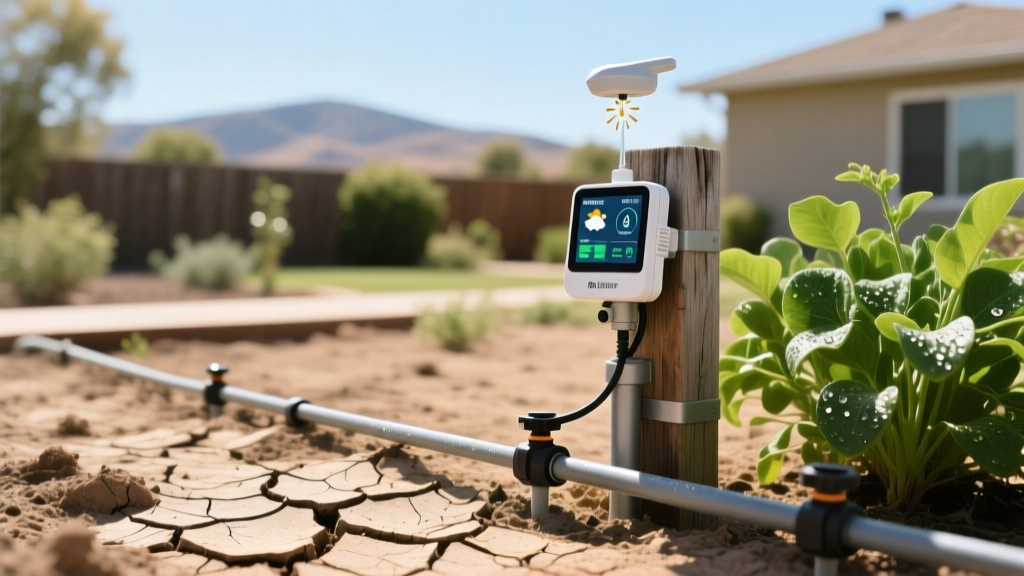
Smart Irrigation Upgrades for Drought Resilient Gardens
Lisa ThompsonPublished
As climate patterns shift and severe drought conditions become more frequent across many regions, homeowners are being forced to rethink their outdoor water usage. Maintaining a lush, vibrant garden no longer means leaving the sprinklers running for hours on end. In fact, the key to a thriving, drought-resilient landscape lies in precision, technology, and targeted water delivery. By bridging the gap between smart home technology and energy-efficient landscaping, you can dramatically reduce your water footprint while keeping your outdoor living spaces beautiful.
The Hidden Water Waste of Traditional Sprinklers
Traditional irrigation timers are essentially blind. They operate on a rigid, pre-set schedule regardless of whether it rained yesterday, if a heatwave is expected tomorrow, or if the soil is already saturated. This outdated approach leads to massive water waste through evaporation, wind drift, and surface runoff. According to the U.S. Environmental Protection Agency (EPA), homes with traditional automatic sprinkler systems can waste up to 25,000 gallons of water annually due to overwatering and inefficient scheduling. In drought-prone areas, this waste is not just an environmental hazard; it is a significant financial drain that can trigger steep municipal water penalties.
How Weather-Based Smart Controllers Work
Weather-based smart irrigation controllers, often referred to as evapotranspiration (ET) controllers, act as the brain of your modern watering system. Instead of relying on a static timer, these devices connect to your home Wi-Fi and pull real-time data from local weather stations or hyper-local satellite feeds. They calculate the exact amount of water your landscape needs based on solar radiation, temperature, humidity, and wind speed.
If a rainstorm is forecasted, the controller automatically delays the watering cycle. If a dry, windy spell occurs, it adjusts the runtime to compensate for increased moisture loss. The Irrigation Association highlights that integrating smart controllers with soil moisture sensors further prevents overwatering by overriding schedules when the ground is already saturated, ensuring water is only applied when the root zone truly requires it.
Top Smart Irrigation Controllers Compared
Choosing the right controller depends on your yard's complexity, the number of irrigation zones, and your budget. Below is a comparison of the top EPA WaterSense-certified smart controllers on the market:
| Controller Model | Max Zones | Weather Data Source | Avg. Cost | EPA WaterSense |
|---|---|---|---|---|
| Rachio 3 Smart Sprinkler | 8 or 16 | Weather Intelligence Plus (Hyper-local) | $229 - $279 | Yes |
| Orbit B-hyve Smart Timer | 6 or 12 | WeatherSense Technology | $100 - $140 | Yes |
| Hunter Pro-HC Hydrawise | 6 to 12 | Hydrawise Pro (Predictive) | $250 - $320 | Yes |
| Netro Smart Sprinkler | 6 or 12 | AI-driven Plant Database & Weather | $130 - $160 | Yes |
Key Features to Look For
- Flow Meters: Advanced models like the Hunter Pro-HC support flow sensors that detect broken pipes or leaking valves, automatically shutting off the zone and sending an alert to your smartphone.
- Soil Type Customization: Ensure the app allows you to input specific soil types (e.g., clay vs. sandy loam) so the controller can adjust for infiltration rates and prevent runoff.
- Smart Home Integration: Look for compatibility with Amazon Alexa, Google Home, or Apple HomeKit for seamless voice control and automated routines.
The Perfect Pairing: Smart Controllers and Drip Irrigation
While a smart controller optimizes when and how long you water, it cannot fix the inherent inefficiency of traditional spray heads. Spray sprinklers lose a significant amount of water to evaporation and wind. To achieve true drought resilience, you must pair your smart controller with a drip irrigation system.
Research from the University of California Agriculture and Natural Resources (UC ANR) notes that drip irrigation delivers water directly to the plant's root zone with up to 90% efficiency, compared to just 65-75% efficiency for traditional spray sprinklers. Furthermore, drip systems operate at a much lower flow rate. While a standard spray head uses 1.5 to 2.0 Gallons Per Minute (GPM), drip emitters are measured in Gallons Per Hour (GPH), typically ranging from 0.5 to 2.0 GPH. This slow, deep watering encourages deeper root growth, making your plants naturally more drought-tolerant.
Essential Drip Conversion Components
Converting an existing spray zone to a drip zone is a highly cost-effective DIY project. A standard conversion kit costs between $40 and $60 per zone and includes:
- 25-30 PSI Pressure Regulator: Drip lines require low pressure. High municipal water pressure will blow out the fittings.
- 200-Mesh Filter: Crucial for preventing dirt and debris from clogging the tiny drip emitters.
- 1/2-Inch Poly Tubing: The mainline that snakes through your garden beds.
- 1/4-Inch Distribution Tubing & Emitters: Used to route water from the mainline directly to the base of individual plants.
Pro Tip: For dense groundcovers or vegetable gardens, consider using inline drip tubing like Netafim Techline CV, which features built-in emitters spaced 12 inches apart and includes check valves to prevent low-head drainage.
Step-by-Step Installation and Hydrozoning Guide
The best time to upgrade your irrigation system is in early spring, just before the summer heat spikes and municipal water restrictions take effect. Follow these steps to ensure a successful transition:
1. Map Your Hydrozones
Hydrozoning is the practice of grouping plants with similar water and sunlight needs together on the same irrigation valve. Never put drought-tolerant succulents on the same valve as thirsty hydrangeas. Map your yard and assign each distinct hydrozone to a separate controller zone.
2. Swap the Controller
Turn off the power to your old timer. Take a photo of the existing wiring, label each wire with its corresponding zone number, and remove the old unit. Mount the new smart controller, connect the zone wires to the corresponding terminals, and connect the common wire. Power it on and connect it to your home Wi-Fi via the manufacturer's app.
3. Convert Spray Heads to Drip
Unscrew the existing spray head from the riser. Install a retrofit conversion kit (such as the Rain Bird 1800 Retrofit Kit) which includes the filter and pressure regulator. Attach your 1/2-inch poly tubing using a compression fitting. Run the tubing through your garden beds, securing it with landscape staples every 3 to 4 feet.
4. Configure the App
Open your smart controller app and input the specific details for each zone: plant type, soil type, sun exposure, and sprinkler/drip type. The app's algorithm will use this data combined with local ET weather data to generate a highly efficient, customized watering schedule.
Maximizing ROI with Municipal Rebates
One of the most compelling reasons to upgrade to a smart, water-wise irrigation system is the availability of financial incentives. Because water conservation is a critical infrastructure priority, many local water districts and municipalities offer substantial rebates for installing EPA WaterSense-labeled smart controllers and drip irrigation conversions.
Rebates typically range from $100 to $300, which can cover the entire cost of a mid-range smart controller like the Orbit B-hyve or significantly offset the cost of a premium Rachio 3 system. To take advantage of these programs, check your local water provider's conservation portal in January or February, as rebate budgets often reset at the beginning of the fiscal year and can run out quickly during peak summer months. Keep your purchase receipts and the EPA WaterSense certification label from the box, as these are universally required for the rebate application process.
Conclusion
Adapting to a drought-prone environment does not mean sacrificing the beauty and functionality of your outdoor living spaces. By upgrading to a weather-based smart irrigation controller and converting inefficient spray zones to targeted drip systems, you build a landscape that is resilient, sustainable, and cost-effective. Embracing these water-wise solutions ensures your garden remains a vibrant sanctuary, no matter what the weather brings.
