Home & Garden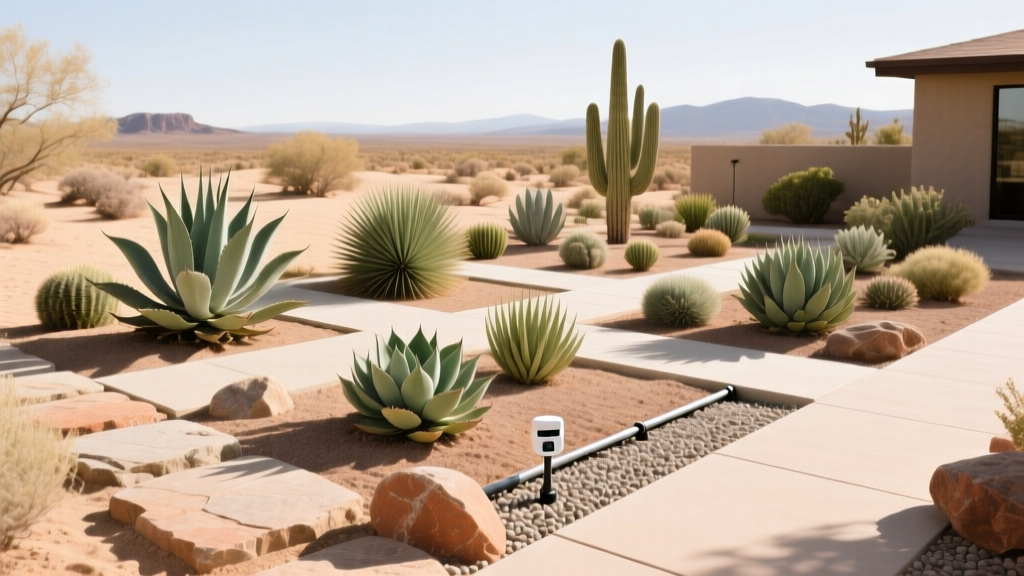
Smart Irrigation and Xeriscaping for the Arid Southwest
James MillerPublished
Landscaping in the arid Southwest—spanning regions like Arizona, Nevada, West Texas, and Southern California—presents a unique set of challenges. With summer temperatures routinely exceeding 105°F, low humidity, and highly alkaline soils, traditional lawn care methods are not just inefficient; they are environmentally and economically unsustainable. However, bridging the gap between a stunning outdoor living space and water conservation is entirely possible. By combining the principles of xeriscaping with smart home irrigation technology, homeowners can create vibrant, resilient landscapes that thrive in USDA Hardiness Zones 9 and 10.
The Unique Challenges of Southwest Soils
Before planting a single shrub or laying drip lines, you must understand the soil. Much of the Southwest is dominated by caliche—a hard, cement-like layer of calcium carbonate that severely restricts drainage and root penetration. Furthermore, desert soils are typically highly alkaline (pH 7.5 to 8.5) and lack organic matter.
Attempting to amend native desert soil with massive amounts of compost or peat moss, as is common in temperate climates, can actually harm drought-tolerant plants by creating a "bathtub effect" where water pools and causes root rot. Instead, focus on physical aeration. When planting trees and large shrubs, use a rock auger to break through the caliche layer. For soil amendment, opt for expanded shale or pumice (at a ratio of 20% amendment to 80% native soil) to improve drainage without drastically altering the soil chemistry that native desert plants prefer.
Xeriscaping: Beyond Rocks and Cacti
According to the Texas A&M AgriLife Extension, xeriscaping is defined by seven core principles, the most critical being "hydrozoning" and "appropriate plant selection." Xeriscaping does not mean a barren yard of gravel and cacti; it means grouping plants with similar water and sunlight requirements together to eliminate overwatering.
Hydrozoning Your Outdoor Space
Divide your landscape into three distinct hydrozones:
- Zone 1 (Oasis Zone): High-traffic areas near the patio or entrance. This zone can include higher-water plants like citrus trees, roses, or small patches of drought-tolerant turf (e.g., TifTuf Bermuda or Kurapia). Watered frequently but efficiently.
- Zone 2 (Transition Zone): Medium-water areas featuring flowering shrubs and accent plants like Lantana, Texas Ranger (Leucophyllum), and Salvia. Watered deeply but less frequently.
- Zone 3 (Desert/Native Zone): The perimeter and low-traffic areas. Features Agave, Yucca, Penstemon, and native trees like Palo Verde or Mesquite. Requires minimal to no supplemental water once established.
Mulching for the Desert
Organic wood mulch decomposes too rapidly in extreme heat and can harbor pests. In the Southwest, utilize inorganic mulches like decomposed granite (DG) or crushed basalt. A 2-to-3-inch layer of DG costs approximately $50 to $70 per ton, suppresses weeds, reflects less heat than river rock, and allows rainwater to permeate the soil while keeping root zones insulated from extreme surface temperatures.
Integrating Smart Irrigation Technology
The EPA WaterSense program notes that weather-based smart irrigation controllers can save the average home nearly 7,600 gallons of water annually. In the Southwest, where evaporation rates can exceed 100 inches per year, smart controllers are not a luxury; they are a necessity.
Weather-Based Controllers vs. Soil Moisture Sensors
Upgrade your outdated timer to a Wi-Fi-enabled smart controller like the Rachio 3 or Orbit B-hyve (ranging from $150 to $250). These devices connect to local hyper-local weather stations and utilize Evapotranspiration (ET) data. If a monsoon storm rolls through Phoenix or a heatwave spikes in Las Vegas, the controller automatically adjusts or skips watering schedules.
For even greater precision, integrate a soil moisture sensor, such as the Toro Precision Soil Sensor (~$80). Buried in the root zone of your Zone 1 or Zone 2 plants, it physically measures volumetric water content and overrides the smart controller if the soil is already saturated, preventing the deadly root rot common in heavy clay and caliche soils.
Precision Drip Systems for Desert Flora
Spray heads and rotary sprinklers are highly inefficient in the desert due to wind drift and rapid evaporation. Drip irrigation delivers water directly to the root zone at a slow, measurable rate. For commercial-grade reliability, use pressure-compensating drip lines like Netafim Techline CV or Rain Bird XFD ($0.40 to $0.80 per linear foot).
Emitter Selection and Spacing
- Trees (Palo Verde, Mesquite, Citrus): Use a loop system with multiple 2.0 Gallons Per Hour (GPH) emitters. As the tree canopy grows, expand the drip ring to match the drip line of the tree.
- Shrubs (Lantana, Texas Sage): Use inline drip tubing with 0.9 GPH emitters spaced 12 to 18 inches apart.
- Groundcover and Succulents: Use 0.5 GPH emitters or micro-sprayers, ensuring water does not pool in the rosettes of Agave or Aloe, which causes crown rot.
Hydrozone Planning and Emitter Guide
Properly configuring your smart controller requires understanding the flow rates and watering depths required for each zone. Use the table below as a baseline for programming your smart irrigation app.
| Hydrozone | Plant Examples | Target Water Depth | Irrigation Type | Emitter Flow Rate | Smart Controller Frequency (Summer) |
|---|---|---|---|---|---|
| Zone 1: Oasis | Citrus, Roses, TifTuf Bermudagrass | 12 - 18 inches | Drip / MP Rotator | 2.0 - 4.0 GPH | Every 2-3 days |
| Zone 2: Transition | Lantana, Salvia, Texas Ranger | 18 - 24 inches | Inline Drip Tubing | 0.9 - 2.0 GPH | Every 5-7 days |
| Zone 3: Desert | Agave, Yucca, Palo Verde | 24 - 36 inches | Point Source Drip | 2.0 GPH (Bubbler) | Every 14-21 days |
Desert Garden-to-Table: Citrus and Herbs
The Southwest is an ideal climate for a garden-to-table lifestyle, particularly for citrus and Mediterranean herbs. Dwarf Meyer lemons, Bearss limes, and pomegranates thrive in the intense sun. However, citrus trees are heavy feeders and require consistent moisture in the top 24 inches of soil. Integrate your citrus trees into your Zone 1 Oasis hydrozone. Apply a specialized citrus fertilizer (containing chelated iron and zinc to combat alkaline-induced chlorosis) in early February, May, and August. Companion plant the base of your citrus trees with creeping rosemary or thyme, which tolerate the same deep, infrequent watering schedule while providing fresh herbs for your outdoor kitchen.
Seasonal Watering Schedules and Maintenance
Desert landscaping requires a dynamic approach to the calendar. The Southern Nevada Water Authority (SNWA) enforces strict seasonal watering guidelines that serve as an excellent blueprint for the entire region. During the peak summer months (May through August), watering should only occur between 4:00 AM and 8:00 AM to minimize evaporation and prevent fungal diseases. In the winter, irrigation should be reduced to once every 10 to 14 days for established desert trees and shrubs, as cooler temperatures and shorter days drastically reduce plant transpiration rates.
Furthermore, smart home integration allows you to set up automated routines. For example, using IFTTT (If This Then That) or native app integrations, you can program your smart controller to automatically delay irrigation if local wind speeds exceed 15 mph—a common occurrence during spring monsoon transitions in the desert—ensuring your water stays in the soil, not on your driveway.
Conclusion
Transforming your Southwest property into an energy-efficient, water-wise oasis requires a departure from traditional landscaping dogmas. By respecting the native caliche soil, implementing strict hydrozoning, and leveraging smart irrigation controllers paired with precision drip lines, you can cultivate a lush, functional outdoor living space. Not only will this approach drastically reduce your municipal water bills, but it will also provide a resilient, beautiful backdrop for year-round desert living and garden-to-table entertaining.
