Home & Garden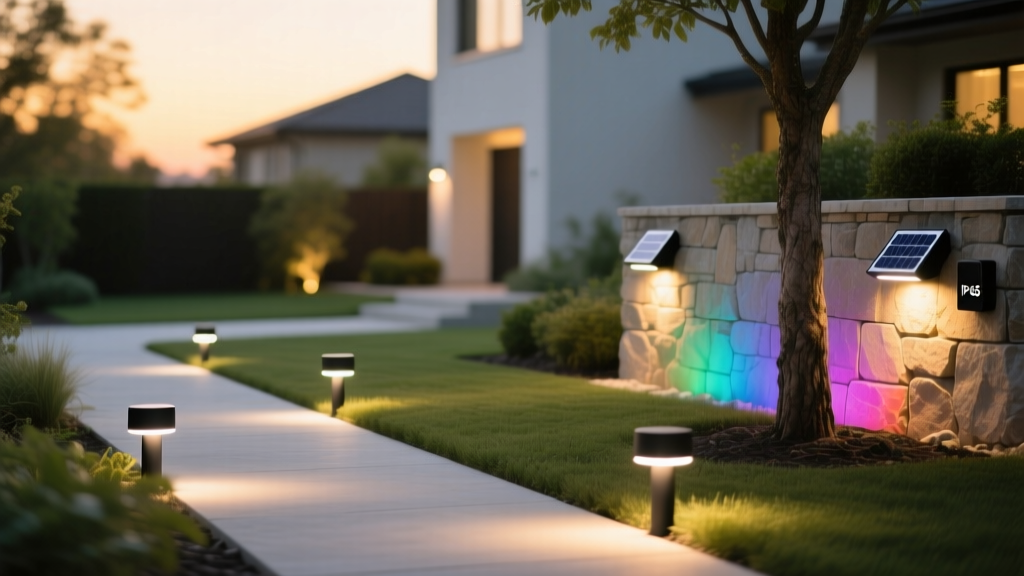
Energy Efficient Smart Landscape Lighting Design Guide
David ParkPublished
The Intersection of Aesthetics and Efficiency in Outdoor Lighting
Designing an outdoor lighting scheme is about more than just illuminating a dark yard; it is an exercise in balancing aesthetics, security, and energy efficiency. As homeowners increasingly look to bridge the gap between indoor comfort and outdoor living, smart landscape lighting has emerged as a cornerstone of modern garden design. Whether you are highlighting a stunning Japanese maple, illuminating a stone fire pit, or securing the perimeter of your property, the right lighting plan elevates your outdoor space into a usable, magical environment after the sun goes down.
However, without a meticulous plan, you risk creating light pollution, wasting electricity, and dealing with frustrating connectivity issues. This comprehensive guide walks you through the essential design principles, technical specifications, and smart home integrations needed to craft a stunning, energy-efficient outdoor lighting layout.
Strategic Zone Planning and Lumen Requirements
Before purchasing a single fixture, map your yard into distinct lighting zones. Over-illuminating a space is a common mistake that leads to glare and wasted energy. Instead, use the concept of "layered lighting" to create depth and focus.
- Path and Step Lighting: The goal here is safe navigation, not runway-level brightness. Stagger path lights on alternating sides of a walkway, spacing them 8 to 10 feet apart to create a guiding rhythm without overwhelming the garden beds.
- Accent and Uplighting: Use well lights or spotlights to highlight architectural features, mature trees, or garden sculptures. Aim for a 30-degree beam angle to keep light focused and minimize spill into the night sky.
- Task and Security Lighting: Reserve high-lumen, motion-activated floodlights for functional areas like outdoor kitchens, driveways, and entryways. Keep these off during standard evening hours, triggering them only via motion sensors to conserve power and reduce glare.
| Lighting Zone | Purpose | Recommended Lumens | Color Temp (Kelvin) | Fixture Type |
|---|---|---|---|---|
| Pathways | Safety & Navigation | 100 - 200 | 2700K - 3000K | Bollard, Stake |
| Accent/Uplighting | Focal Points & Depth | 200 - 400 | 3000K | Well Light, Spotlight |
| Security/Task | Deterrence & Visibility | 700 - 1200 | 4000K - 5000K | Floodlight, Wall Pack |
Selecting Energy-Efficient LED Fixtures
Transitioning to LED is non-negotiable for modern landscape design. According to the U.S. Department of Energy, LED lighting uses up to 75% less energy and lasts 25 times longer than incandescent lighting. When selecting fixtures, pay close attention to the color temperature, measured in Kelvin (K).
For residential landscapes, a warm white between 2700K and 3000K is ideal. It mimics the welcoming glow of traditional halogen bulbs and reduces the harsh, blue-toned glare that disrupts local wildlife. Always ensure your fixtures carry an IP65 or higher rating to withstand dust and low-pressure water jets from sprinklers and heavy rain.
Smart Home Integration and Automation
The true magic of modern landscape lighting lies in automation. Moving beyond basic photocells, smart lighting systems allow you to adjust brightness, set schedules, and integrate with motion sensors via your smartphone. When planning your smart ecosystem, prioritize fixtures that support the Matter smart home standard. Matter ensures cross-compatibility between Apple HomeKit, Google Home, and Amazon Alexa, preventing you from being locked into a single proprietary hub.
Top Smart Fixture Options
- Philips Hue Calla Bollard: Excellent for pathways, offering 16 million colors and deep smart integration, though it requires the Hue Bridge and a premium investment (approx. $150 per fixture).
- Ring Smart Lighting Pathlight: A budget-friendly, solar-assisted option (approx. $35) that integrates seamlessly with Ring security cameras, triggering a "light up" alarm if motion is detected on your property.
Automation Strategy and Hub Placement
Program an "Astronomical Timer" routine that adjusts your lights' on/off times based on local sunset data, shifting automatically with the seasons. Pair this with motion sensors set to a 60-second delay for security zones to conserve energy. Consider the physical placement of your smart hub. If your home's router is on the opposite side of the house from the backyard, a standard Wi-Fi signal will struggle to penetrate exterior brick walls and energy-efficient Low-E glass windows. Investing in an outdoor-rated mesh Wi-Fi node or a dedicated Zigbee range extender housed in a weatherproof enclosure ensures your lights respond instantly to app commands and motion triggers.
Low-Voltage Wiring and Transformer Sizing
Most DIY landscape lighting operates on a 12-volt low-voltage system, which is safer and easier to install than 120-voltage line-voltage systems. However, planning for voltage drop is critical to ensure consistent brightness across your yard.
- Transformer Sizing: Calculate the total wattage of all your fixtures and add a 20% buffer. If you have 15 fixtures drawing 4 watts each (60 watts total), purchase a 100-watt transformer.
- Wire Gauge Selection: Use 12-gauge copper wire for main runs exceeding 50 feet to prevent voltage drop, which can cause lights at the end of the line to flicker or appear dim. Use 14-gauge wire for shorter branch runs.
- Splicing and Burial: Use silicone-filled wire nuts or brass crimp connectors for all underground splices to prevent moisture intrusion and corrosion. Standard electrical tape will degrade in damp soil within a single season, leading to short circuits and transformer failure. Furthermore, bury your low-voltage lines at least 6 inches deep to protect them from aeration tools and garden trowels.
Dark Sky Compliance and Environmental Stewardship
Responsible landscape design must consider the local ecosystem. Light pollution disrupts nocturnal wildlife, including essential pollinators like moths and navigational cues for migratory birds. The International Dark-Sky Association (IDA) advocates for outdoor lighting that is shielded, targeted, and only as bright as necessary.
Design Rules for Dark Sky Compliance
- Shielding: Choose fixtures with opaque caps that direct light downward, eliminating "light trespass" into neighbors' windows or the night sky.
- Dimming: Utilize your smart home app to dim pathway lights to 30% brightness after midnight when foot traffic ceases.
- Motion over Constant: Rely on motion-activated security lights rather than leaving high-lumen floodlights burning from dusk till dawn.
"A well-designed landscape lighting scheme should reveal the beauty of your garden at night without competing with the stars above it. Restraint and precision are your best tools."
Conclusion
Planning an energy-efficient smart landscape lighting system requires a thoughtful approach to lumens, wiring, and automation. By selecting warm-temperature LEDs, utilizing Matter-compatible smart hubs, and adhering to Dark Sky principles, you can create an outdoor living space that is as ecologically responsible as it is visually breathtaking. Take the time to map your zones, calculate your transformer needs, and embrace automation to ensure your garden shines beautifully and efficiently for years to come.
