Home & Garden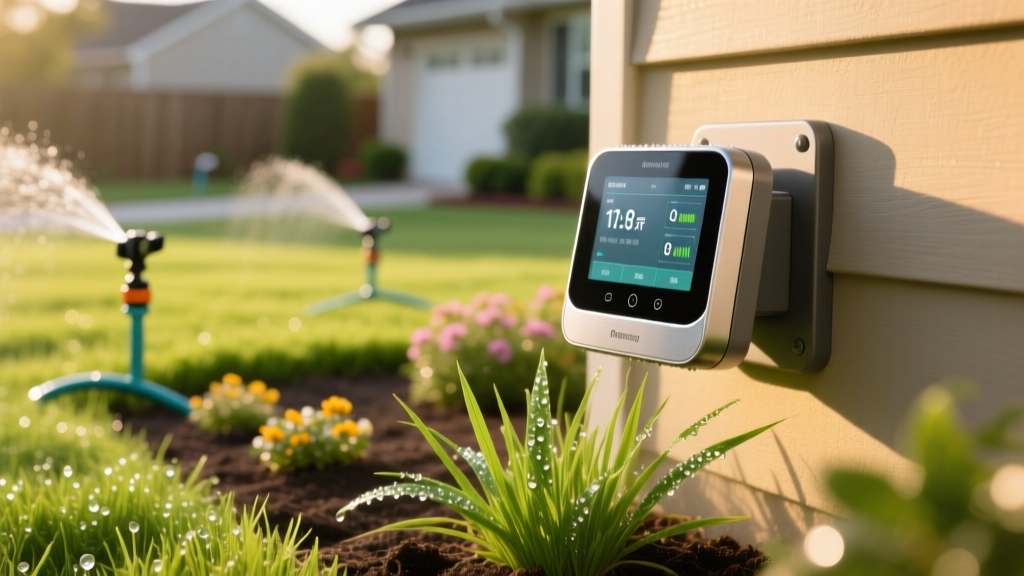
Smart Irrigation Myths Busted: Lawn Watering Facts
Lisa ThompsonPublished
The High Cost of Lawn Watering Fiction
When it comes to maintaining a lush, vibrant landscape, misinformation can be incredibly expensive. Homeowners across the country frequently fall victim to outdated landscaping advice, leading to inflated utility bills, stressed turfgrass, and billions of gallons of wasted water each year. According to environmental agencies, outdoor water use accounts for nearly 30 percent of total household water consumption, and in arid climates, that number can surge to over 60 percent. Bridging the gap between indoor convenience and outdoor efficiency requires separating horticultural fact from stubborn fiction. In this comprehensive guide, we are busting the most pervasive lawn watering myths and replacing them with actionable, science-backed strategies for smart irrigation and energy-efficient landscaping.
Myth 1: Watering at Night is the Best Time
The Fiction: Many well-meaning gardeners believe that watering the lawn late at night is ideal because it prevents water from evaporating in the hot sun, ensuring maximum absorption into the soil.
The Fact: Watering at night is actually one of the fastest ways to invite devastating fungal diseases into your yard. When grass blades remain wet for extended periods in cool, dark conditions, it creates the perfect breeding ground for pathogens like Pythium blight, Dollar Spot, and Rhizoctonia (commonly known as brown patch). Turfgrass needs time to dry out during the day to maintain its natural immune defenses.
The Solution: The optimal time to run your irrigation system is in the early morning, specifically between 4:00 AM and 6:00 AM. At this time, temperatures are cool, and wind speeds are typically at their lowest, which minimizes evaporation and prevents water drift. More importantly, the grass blades will dry quickly once the sun rises, significantly reducing the risk of fungal infections while still delivering deep hydration to the root zone.
Myth 2: Smart Sprinkler Controllers Waste More Water
The Fiction: A common misconception is that automated and smart sprinkler controllers are just glorified timers that run blindly, ultimately wasting more water than a homeowner who manually turns the hose on and off based on visual inspection.
The Fact: Modern Weather-Based Irrigation Controllers (WBICs) are highly sophisticated devices that integrate with local meteorological data to adjust watering schedules in real-time. According to the EPA WaterSense program, smart irrigation controllers can save the average home nearly 7,600 gallons of water annually. These devices automatically skip watering cycles when rain is in the forecast, pause during high-wind events, and adjust run times based on soil moisture levels and evapotranspiration rates.
The Solution: Upgrade to an EPA WaterSense labeled smart controller. Top-rated models like the Rachio 3 Smart Sprinkler Controller (approximately $229) or the Orbit B-hyve Smart Indoor/Outdoor Sprinkler Controller (approximately $119) connect directly to your home Wi-Fi. They use hyper-local weather data to ensure your lawn receives exactly the amount of water it needs, no more and no less, seamlessly bridging smart home technology with outdoor landscaping.
Myth 3: Your Lawn Needs Watering Every Single Day
The Fiction: To keep grass green during the peak of summer, you must run your sprinklers for 15 minutes every single day.
The Fact: Daily, shallow watering is incredibly detrimental to turf health. It encourages grass roots to stay near the surface where the soil dries out quickly, making your lawn highly susceptible to drought stress, heat damage, and weed invasion. Furthermore, frequent light watering increases surface runoff and evaporation.
The Solution: Lawns thrive on deep, infrequent watering. According to turfgrass specialists at the Texas A&M AgriLife Extension, most lawns require between 1 and 1.5 inches of water per week, including rainfall. It is far better to water deeply two or three times a week, applying about 0.5 inches per session. This forces the roots to grow deeper into the soil profile—ideally reaching a depth of 6 inches—where moisture is retained longer and temperatures are more stable.
Feature Comparison: Manual Timers vs. Smart Controllers
To understand the true value of upgrading your irrigation system, review the comparison below detailing the differences between traditional analog timers and modern smart controllers.
| Feature | Manual Analog Timer | Smart Weather-Based Controller |
|---|---|---|
| Average Upfront Cost | $30 - $50 | $120 - $250 |
| Weather Adjustments | None (Requires manual dial changes) | Automatic via Wi-Fi & local weather stations |
| Estimated Water Savings | 0% (Often leads to overwatering) | 20% - 50% annually |
| Remote Access | No (Must be at the physical dial) | Yes (Full control via smartphone app) |
| Rain / Freeze Skip | Manual setting or basic sensor wire | Automatic based on real-time forecasts |
| Soil Type Customization | No | Yes (Adjusts for clay, loam, or sand absorption) |
Myth 4: Drought-Tolerant Plants Never Need Watering
The Fiction: Once you install xeriscaping or drought-tolerant native plants, you can completely cap off the irrigation lines to those zones and never water them again.
The Fact: While native and drought-resistant plants are incredibly efficient once mature, the phrase 'drought-tolerant' does not mean 'drought-proof.' All plants require consistent moisture to establish their root systems after being transplanted from a nursery container into your native soil. Additionally, during periods of extreme, prolonged heat or record-breaking drought, even established native plants will require supplemental watering to survive and maintain aesthetic appeal.
The Solution: Plan for a dedicated establishment period. For the first 12 to 18 months after planting drought-tolerant species, water them deeply once a week to encourage deep root growth. After establishment, transition to a drip irrigation system for these specific zones. Drip lines deliver water directly to the root zone at a slow rate, eliminating wind drift and evaporation, which aligns perfectly with energy-efficient landscaping principles.
Actionable Guide: Optimizing Your Irrigation System Today
Busting myths is only the first step; implementing the facts is where you see real results. Follow this actionable checklist to optimize your home's outdoor water use:
1. Perform the Catch Cup Test
Before setting any timer, you need to know your system's precipitation rate. Place 5 or 6 empty tuna cans (or specialized catch cups) evenly across a single sprinkler zone. Run the zone for exactly 15 minutes. Measure the depth of the water in the cans with a ruler. If the average depth is 0.25 inches, you know you need to run that zone for 30 minutes to achieve the recommended 0.5 inches per watering session. The University of Minnesota Extension highly recommends this method to eliminate guesswork and prevent overwatering.
2. Implement Hydrozoning
Never group plants with vastly different water needs on the same irrigation valve. Separate your landscape into distinct hydrozones: turfgrass, shaded garden beds, sunny perennial borders, and drought-tolerant native areas. Assign each hydrozone to its own dedicated valve and customize the smart controller settings for each specific zone's sun exposure, soil type, and plant material.
3. Audit and Adjust Sprinkler Heads
Walk your yard while the system is running. Look for heads that are misting (indicating high pressure) or geysers (indicating a broken seal). Ensure that spray patterns are not hitting driveways, sidewalks, or the side of your house. Adjust the radius screws on rotary nozzles to ensure head-to-head coverage, which prevents dry spots without requiring you to increase overall run times.
4. Utilize Soil Moisture Sensors
If you have heavy clay soil, water absorbs slowly and runoff is common. Pair your smart controller with wireless soil moisture sensors placed in the root zone of your lawn. These sensors override the weather-based schedule if the soil already holds adequate moisture, providing a secondary layer of protection against overwatering and saving you money on your monthly water bill.
Conclusion
Transitioning from myth-based lawn care to fact-driven smart irrigation is one of the most impactful home and garden upgrades you can make. By watering deeply in the early morning, leveraging EPA WaterSense smart controllers, and respecting the biological needs of your turf and garden beds, you cultivate a resilient landscape that thrives in any climate. Stop guessing, start measuring, and let smart home technology do the heavy lifting for your outdoor oasis.
