Pest Control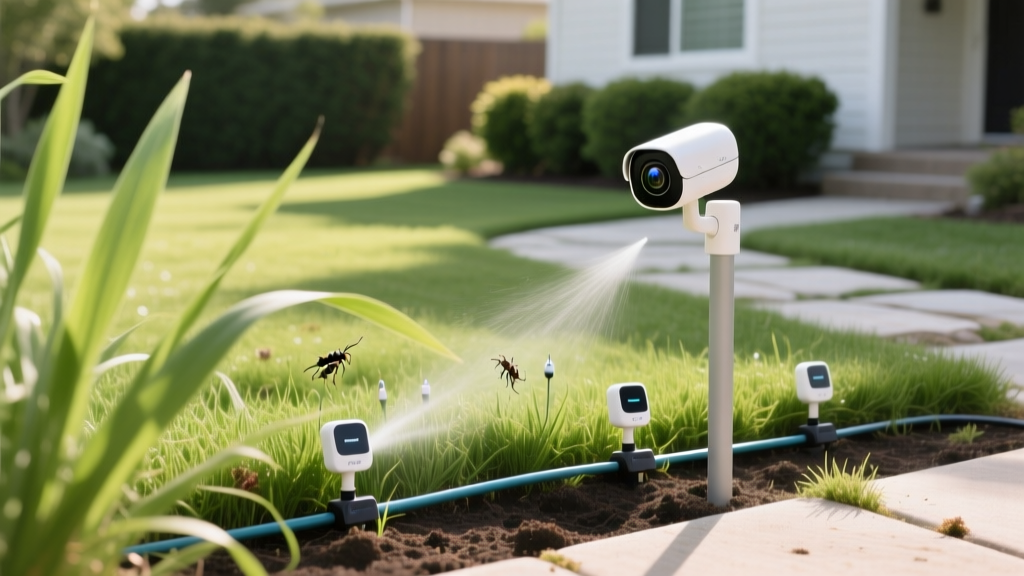
Smart Home Automation for Lawn Pest Detection and Control
Mike RodriguezPublished
The Intersection of Smart Home Tech and Lawn Care
The modern smart home extends far beyond indoor thermostats and voice-activated lights. Today, homeowners are leveraging the Internet of Things (IoT) to transform their outdoor spaces into highly efficient, easily managed ecosystems. When it comes to lawn and garden care, integrating smart home automation into your pest control strategy is a game-changer. Traditional pest management often relies on reactive measures—applying chemical treatments only after visible damage has occurred. However, by utilizing smart cameras, automated irrigation systems, and intelligent lighting, you can shift toward a proactive, data-driven approach. This aligns perfectly with the principles of Integrated Pest Management (IPM), which emphasizes prevention, monitoring, and targeted intervention. According to the EPA Integrated Pest Management Principles, understanding the environmental conditions that attract pests is the first step in long-term prevention. Smart home devices provide the real-time data and automated responses necessary to maintain those optimal conditions effortlessly.
Smart Cameras and AI for Early Pest Detection
One of the most challenging aspects of lawn pest management is early detection. Pests like grubs, armyworms, and chinch bugs often cause significant subterranean or microscopic damage before the turf begins to show visible signs of stress, such as brown patches or thinning grass. By strategically placing outdoor smart security cameras around your property, you can monitor your lawn's health and detect pest activity before it spirals out of control. Modern AI-equipped cameras can differentiate between humans, vehicles, and animals, but they also offer features like time-lapse photography and high-definition zoom that are invaluable for turf monitoring.
Top Camera Recommendations for Yard Monitoring
- Wyze Cam v3 with Time-Lapse: Priced around $50, this camera offers an exceptional time-lapse feature. By setting up a daily time-lapse of a specific section of your lawn, you can visually track the spread of brown patches over a week. If a brown spot expands rapidly overnight, it is a strong indicator of nocturnal feeders like armyworms or sod webworms.
- Arlo Pro 4 Spotlight Camera: Costing approximately $199, the Arlo Pro 4 features a built-in spotlight and color night vision. This is particularly useful for identifying larger nocturnal pests that may be secondary indicators of lawn issues, such as skunks, raccoons, or armadillos digging up your turf in search of white grubs.
- Reolink Go PT Plus: For large properties or remote garden beds without Wi-Fi access, this 4G LTE solar-powered camera allows you to pan, tilt, and zoom in on specific plant leaves to check for aphid colonies or spider mite webbing directly from your smartphone.
Automated Smart Irrigation to Prevent Moisture-Loving Pests
Water management is the cornerstone of organic and integrated pest control. Overwatering is one of the most common mistakes homeowners make, leading to a host of moisture-dependent pests and fungal diseases. Fungus gnats, mosquitoes, and root-rot pathogens thrive in saturated soils. Furthermore, shallow, frequent watering encourages shallow root growth, making your turf more susceptible to drought stress and chinch bug invasions. Upgrading to a smart irrigation controller ensures your lawn receives the exact amount of water it needs based on real-time local weather data, soil type, and sun exposure.
According to the EPA WaterSense program, smart irrigation controllers adjust watering schedules based on local weather conditions, significantly reducing water waste and preventing the excessive moisture that breeds pests and fungi.
Devices like the Rachio 3 Smart Sprinkler Controller (approx. $229) or the Orbit B-hyve (approx. $119) connect to your home Wi-Fi and pull data from local weather stations. If rain is forecasted, the system automatically skips a scheduled watering cycle. To take this a step further, pair your smart controller with wireless soil moisture sensors. These probes are buried in the root zone of your lawn or garden beds and transmit real-time volumetric water content (VWC) data to the controller. By programming your smart system to only water when the soil moisture drops below 30%, you ensure the top layer of soil dries out sufficiently between waterings. This drying period is lethal to the larvae of fungus gnats and disrupts the breeding cycle of mosquitoes, which require standing water or highly saturated topsoil to lay their eggs, as noted by the UC Davis IPM Pest Notes on Mosquitoes.
Smart Lighting to Deter Nighttime Pests
Many destructive lawn and garden pests are phototactic, meaning they are naturally attracted to light. Japanese beetles, June bugs, moths, and various species of leafhoppers are notoriously drawn to the ultraviolet and cool blue spectrums emitted by standard outdoor security lights and porch bulbs. When these pests congregate around your home's exterior lighting, they inevitably migrate into your adjacent garden beds and turf, laying eggs and feeding on your prized plants. Smart lighting systems offer a brilliant, non-toxic solution to this problem by allowing you to dynamically change the color temperature and intensity of your outdoor lights based on the time of night and pest activity seasons.
Using smart bulbs like the Philips Hue White and Color Ambiance (approx. $50 per bulb) or Wyze Bulb Color (approx. $15), you can automate your exterior lighting to shift from a bright, cool white (4000K-5000K) during early evening human activity to a warm, amber, or yellow hue (2000K-2700K) later at night. Insects have a significantly harder time seeing in the red and amber light spectrums. By automating this transition via your smart home hub (such as Apple HomeKit, Amazon Alexa, or Google Home), you drastically reduce the number of egg-laying adults attracted to your yard without sacrificing human visibility or security. You can also integrate motion sensors so that lights only activate when a human is detected, keeping the yard dark and uninviting to pests for the majority of the night.
Comparison Chart: Smart Devices for Pest Management
| Smart Device | Primary Function | Pests Targeted / Prevented | Estimated Cost |
|---|---|---|---|
| Rachio 3 Controller | Weather-based automated irrigation | Mosquitoes, Fungus Gnats, Lawn Fungi | $229 |
| Wyze Cam v3 | Time-lapse & night vision monitoring | Armyworms, Grubs (via secondary digging) | $50 |
| Philips Hue Outdoor | Spectrum-shifting smart lighting | Japanese Beetles, Moths, June Bugs | $120+ |
| Kasa Smart Plug | Automated scheduling for UV traps | Flying Insects, Mosquitoes, Gnats | $15 |
| Eve Aqua (Smart Valve) | Automated drip irrigation control | Slugs, Snails (via targeted watering) | $150 |
Automating Traps and Repellents
While smart cameras and irrigation prevent pests, sometimes physical intervention is required. Ultraviolet (UV) light traps, such as the DynaTrap or Flowtron electronic insect killers, are highly effective at reducing the local population of flying insects like mosquitoes, moths, and biting midges. However, running these traps 24/7 wastes electricity and can inadvertently trap beneficial daytime pollinators like bees and butterflies. By plugging your UV traps into heavy-duty outdoor smart plugs, such as the Kasa Outdoor Smart Plug (approx. $15), you can create highly specific automation routines. Set the smart plug to turn the trap on exactly at dusk and off at dawn, or integrate it with a smart home weather hub to activate the trap only when humidity and temperature conditions are optimal for mosquito activity. Similarly, ultrasonic pest repellers can be scheduled to run only during the hours when deer or rabbits are most likely to forage in your garden beds, preserving the battery life of solar-powered units and ensuring maximum efficacy when you need it most.
Integrating IPM with Your Smart Home Ecosystem
The ultimate goal of integrating smart home technology into your lawn care routine is to create a seamless, automated defense system that supports Integrated Pest Management. By combining the data from smart soil moisture sensors, AI-driven camera monitoring, and automated lighting schedules, you remove the guesswork from yard maintenance. You no longer need to rely on broad-spectrum chemical pesticides applied on a rigid calendar schedule. Instead, your home's ecosystem responds dynamically to environmental threats. If a smart camera detects the early signs of turf browning, it can send an alert to your phone, prompting you to inspect the area for grubs. If a soil sensor detects excess moisture, the smart irrigation controller automatically halts watering, suffocating fungus gnat larvae before they mature. Embracing smart home automation not only saves you time, water, and money, but it also fosters a healthier, more resilient lawn that naturally resists severe pest damage through intelligent, proactive environmental management.